
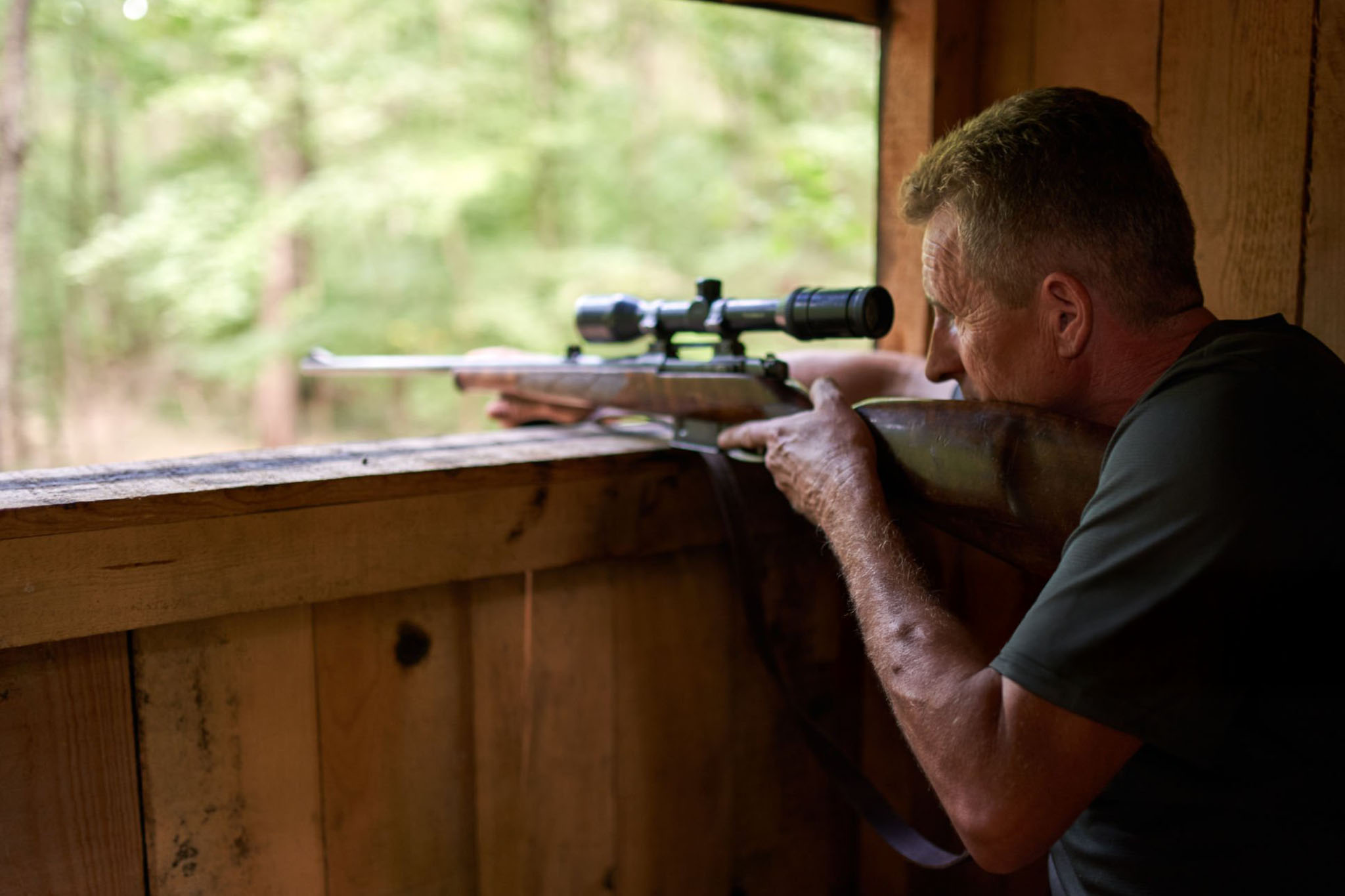
As summer winds down and the days grow just a little shorter, savvy hunters know this is the sweet spot for scouting. Bucks are still in velvet, running in bachelor groups, and showing predictable movement patterns. But once the velvet sheds, their habits shift fast—so this is your chance to lock in on a target buck before the early season opener. Let’s break down how to make the most of your late summer scouting and set yourself up for success when the real hunting begins.
Why Late Summer Scouting Matters
During late summer, whitetail bucks are finishing up their antler growth and are still on relaxed feeding patterns. They’re visible in open fields, hitting food sources like soybeans, alfalfa, and clover, often during daylight hours. Once they shed velvet and testosterone ramps up, bucks break up bachelor groups, become more solitary, and shift into fall ranges.
Scouting now gives you a window to:
✅ Pattern their movement between bedding and feeding.
✅ Identify bachelor groups and target mature bucks.
✅ Prep stand locations and entry routes before pressure makes them nocturnal.
Glass from Afar: Low-Impact Observation
The golden rule of late summer scouting: see without being seen. Bucks at this time are more tolerant of human presence than in October, but one bad encounter can still make them disappear into cover.
- Find vantage points: Use a high ridge, hay bale, or even your truck bed to glass fields at dawn and dusk.
- Bring optics: A quality spotting scope or binoculars with good low-light performance is critical.
- Stay downwind: Always account for thermals, even if you’re hundreds of yards away.
- Document activity: Use a journal or map app to track where and when deer emerge.
Deploy Trail Cameras Strategically
Trail cameras are your silent scouts in the field. Place them with intention:
📸 Field edges: Watch trails leading into food sources.
📸 Mock scrapes: Late August is prime time to establish a mock scrape near travel corridors. Bucks often investigate out of curiosity.
📸 Waterholes: In hot weather, deer hit water often, and cameras here give you valuable daytime intel.
💡 Pro tip: Check cameras sparingly. If possible, use cellular cameras to avoid making frequent trips that leave scent behind.
Understand Feeding and Bedding Patterns
🥬 Food Sources:
- Soybeans are king in late summer—bucks hammer green fields.
- Clover plots and alfalfa also draw heavy attention.
- Watch for the transition when beans begin to yellow; deer will shift to acorns and mast crops fast.
🛌 Bedding Areas:
- Bucks bed close to food this time of year, often in shaded, thick cover.
- Look for trails that connect fields to dense woods or CRP grass.
Mapping these routes now helps you plan non-intrusive stand access later.
Prep Your Stands and Shooting Lanes Early
Once you’ve patterned a target buck, it’s time to prep:
- Hang stands now while deer are more forgiving of noise.
- Clear shooting lanes carefully and prune brush sparingly.
- Plan entry and exit routes with prevailing winds in mind.
Remember: by the time season opens, you want to slip in undetected.
Don’t Forget Scent and Noise Discipline
Even in summer, mature bucks notice pressure.
✅ Spray down gear with scent eliminators.
✅ Wear rubber boots to minimize ground scent.
✅ Avoid walking across feeding areas unless absolutely necessary.
When Velvet Sheds: Be Ready to Adjust
As September approaches, bucks will shed velvet and their personalities change almost overnight. Bachelor groups dissolve, ranges shift, and daylight activity often drops.
That’s why all your late summer scouting should aim to answer two questions:
- Where are they bedding?
- How do they get to food in daylight?
If you’ve dialed those in, you’ll have a head start as other hunters scramble to figure out the new patterns.
Final Thoughts
Late summer scouting is more than just killing time before the season. It’s about building a strategy, understanding your target bucks, and making every sit count once the opener hits. Find them now—before they go hard horn—and you’re stacking the odds in your favor for an early season tag.
