
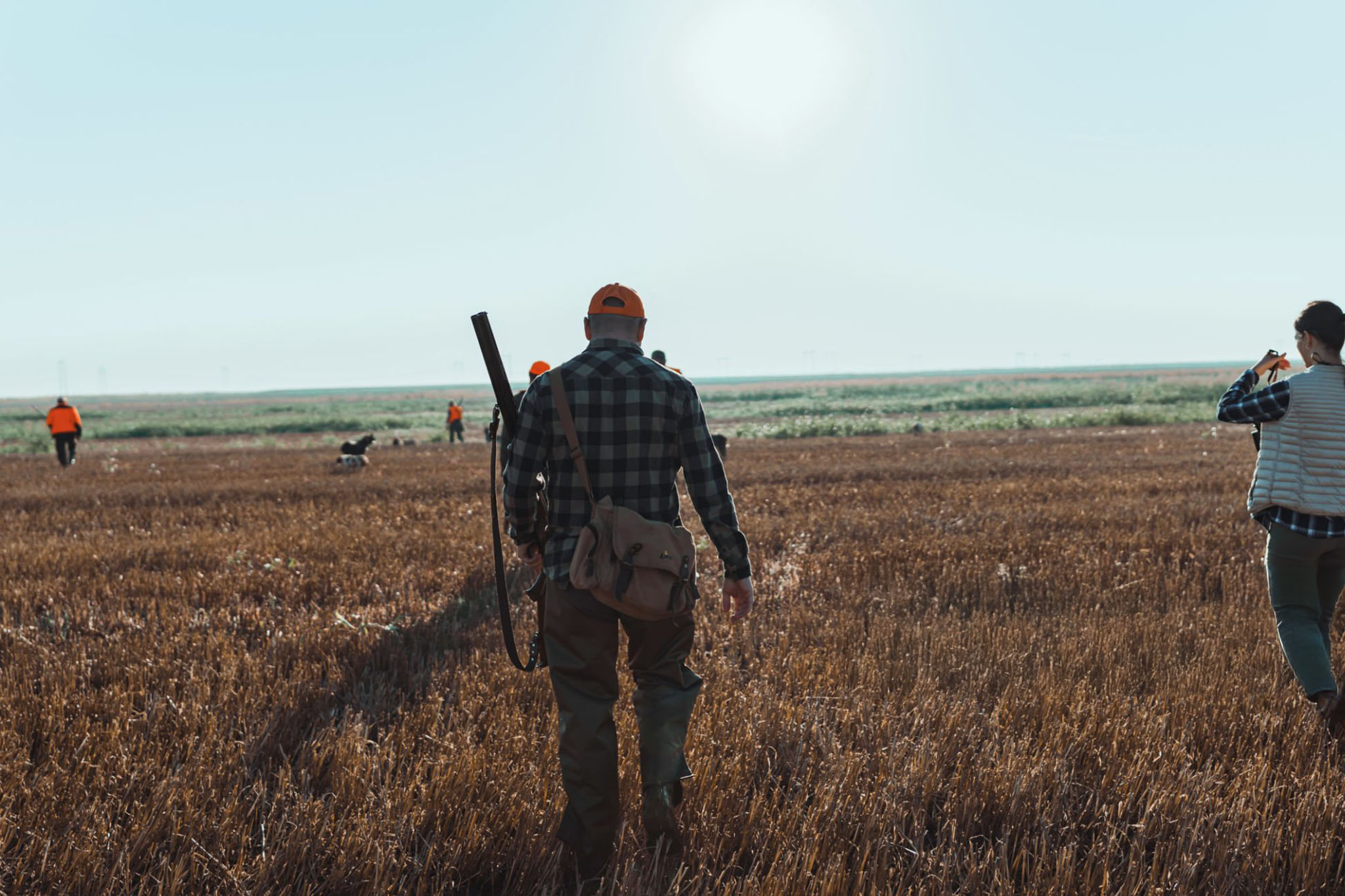
For hunters serious about tagging an early-season buck, the work starts now—not when the leaves turn. Summer is when whitetails leave subtle but telling clues about their routines, travel routes, and preferred habitats. If you know how to read the sign they leave behind, you can set yourself up for a productive fall.
Here’s how to decipher the stories written in tracks, trails, rubs, and more during the heat of summer, and use that intel to gain a huge edge when opening day arrives.
Why Summer Sign Matters
Many hunters assume summer patterns disappear once bucks shed velvet and begin transitioning into fall. While some movement changes are inevitable, summer sign gives you a baseline for where deer feel safe and how they utilize the land. Smart scouting now reveals:
✅ Bedding-to-feeding travel corridors
✅ Preferred feeding areas (soft mast, soybeans, alfalfa, etc.)
✅ Early staging areas where bucks linger in daylight
The key is recognizing these signs and predicting how deer will adjust as fall approaches.
Decoding Deer Trails
1. Identify Main and Secondary Trails
- Main Trails are like highways: wide, packed-down, and often lead from bedding to food.
- Secondary Trails branch off and can reveal less-obvious ambush spots perfect for early-season hunts.
Tip: Walk trails in midday heat when deer are less likely to be active, and always wear rubber boots to minimize scent.
2. Track Patterns in Tracks
- Fresh tracks in soft summer soil tell you where deer are traveling daily.
- Look for size and spacing—large, rounded prints often indicate mature bucks.
- Note direction of travel; this helps you figure out morning versus evening movement.
Signposts to Watch For
1. Summer Rubs
While not as common as fall rubs, you’ll sometimes see bucks polish antlers on saplings during velvet shedding in late summer. These can mark territory or serve as signposts along travel corridors.
2. Beds and Bedding Areas
- Buck Beds: Often found on high ground or points with a wind advantage. Large, oval depressions with flattened grass or leaves.
- Doe Bedding: Usually in groups, in thicker cover.
3. Feeding Sign
- Trails leading to soybean fields, clover plots, or natural food sources like acorns (early drops) are hot zones.
- Keep an eye on soft mast trees—apple, persimmon, or wild plums that are starting to fruit.
Trail Camera Strategy
Trail cameras are your silent scout. Set them up to confirm what the sign suggests:
📸 Place them off main trails angled at crossings or funnels.
📸 Hang cams higher (6-8 feet) and aim downward to avoid spooking deer.
📸 In summer, focus cameras on:
- Waterholes (high activity during heat waves)
- Field edges
- Mineral sites (check local regulations first)
Planning for the Fall Shift
While summer sign is invaluable, understand that deer behavior will shift with:
🍂 Acorn drops
🌬️ Changing wind patterns
🦌 Increased hunting pressure
Anticipate these shifts by noting where bedding areas and funnels might stay relevant into October. Set stands now in high-traffic corridors to avoid disturbing deer later.
Pro Tips for Summer Scouting Success
✅ Scout early mornings or midday to avoid bumping deer.
✅ Use optics to glass fields from a distance—binoculars and spotting scopes keep you from contaminating core areas.
✅ Keep a journal of observations, photos, and weather patterns.
Final Thoughts: Let the Trails Guide You
Every hoofprint, rubbed sapling, and beaten-down trail tells the story of how deer interact with their world. Reading that story in the summer gives you the confidence to set stands, plan entry and exit routes, and predict deer movement when the stakes are higher in the fall.
Do the work now, and you’ll be sitting over a hot funnel or staging area while other hunters are still scratching their heads.
This season, let the trails do the talking—and let your tag do the closing.
