
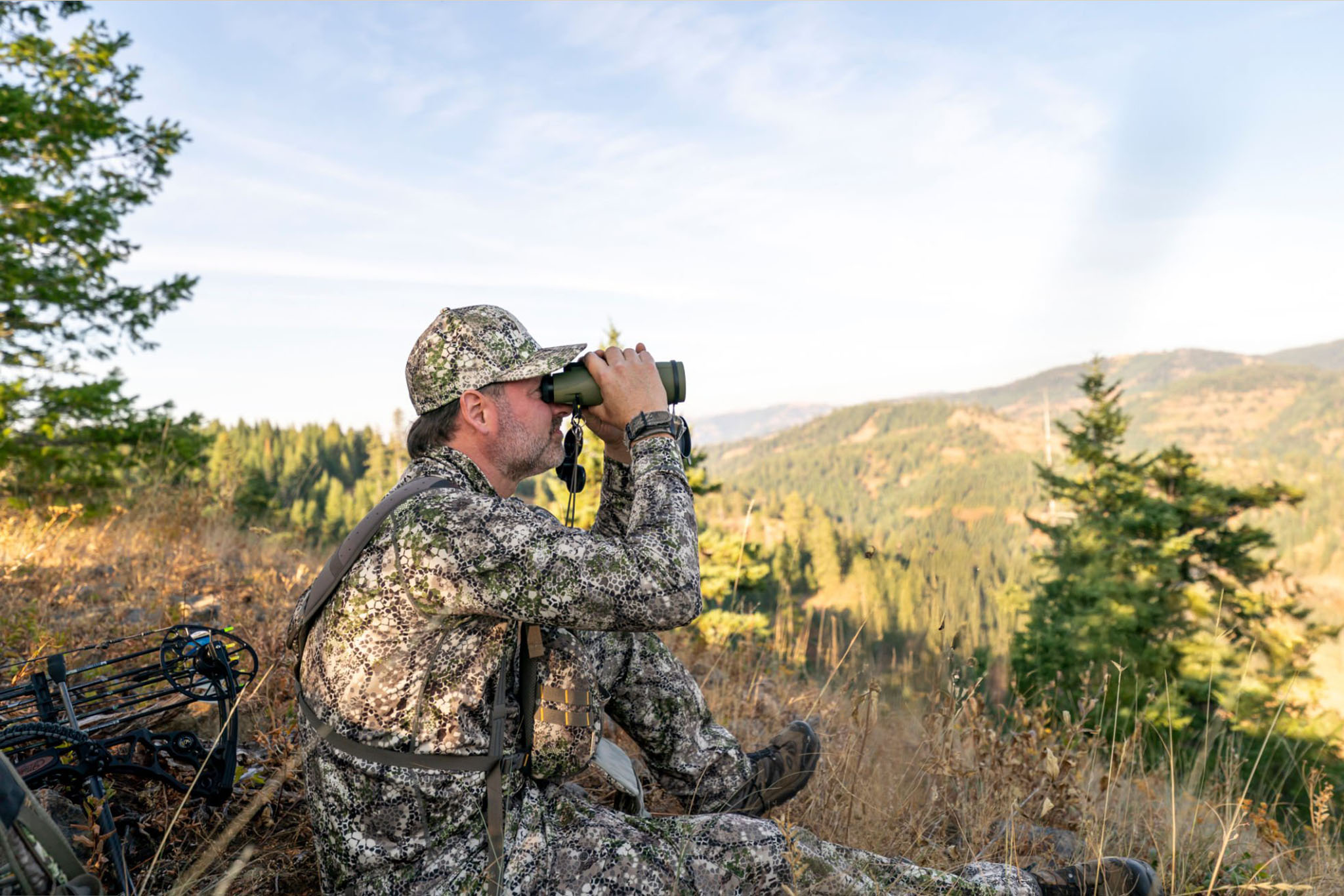
Summer may feel like the off-season for hunting, but for serious whitetail hunters, it’s the perfect time to prepare for fall. Bucks are in velvet, patterns are still predictable, and the woods are relatively undisturbed. What you do now—from scouting to stand placement—can make or break your season when that first cool snap rolls in.
Here’s how to use the dog days of summer to gather intel, refine your strategy, and stack the odds in your favor for opening day.
🌿 Why Summer Scouting Matters
Whitetails might seem carefree in the heat of July and August, but they’re already shaping the routines they’ll carry into early fall. By watching them now, you can:
✅ Identify core bedding areas and travel corridors.
✅ Pinpoint primary summer and transition food sources.
✅ Hang stands and prep shooting lanes well before deer go on high alert.
🎯 Key Insight: Bucks may shift patterns as velvet sheds, but understanding their summer habits provides the foundation for anticipating fall movement.
👀 1. Scout From a Distance
Summer isn’t the time to bust into bedding areas or leave scent everywhere. Instead, adopt a low-impact scouting approach:
🗺️ A. Glass Fields in the Evenings
- Grab a quality set of binoculars or a spotting scope.
- Set up on field edges to watch bachelor groups hit soybeans, clover, or alfalfa during the last hour of daylight.
- Take note of where deer enter and exit fields—these trails often connect to bedding cover.
📸 B. Run Trail Cameras Smartly
- Place cameras on field edges, mineral licks, or watering holes.
- Use cellular trail cameras if possible, reducing the need to check them frequently.
- Set cameras on video mode for richer intel on movement patterns.
🎯 Pro Tip: Always approach cameras with the wind in your favor and wear rubber boots to minimize scent.
🌾 2. Identify Food Source Transitions
Summer food sources—green fields and browse—won’t hold bucks forever. As September approaches:
- Scout oak flats for early acorn drops.
- Locate soft mast (persimmons, apples, wild plums) that could draw deer off open fields.
- Watch for bucks staging just inside timber before dark, an early indicator they’re shifting patterns.
🎯 Key Insight: Mark these areas now so you’re not scrambling when bucks abandon the beans for acorns.
🏹 3. Prep Your Stands Early
The last thing you want is to be cutting shooting lanes or hanging stands days before the opener. Bucks notice fresh disturbance and may alter movement.
🪵 A. Hang Stands in August
- Focus on downwind sides of food sources and travel corridors.
- Set up multiple options for varying wind directions.
✂️ B. Trim Shooting Lanes Carefully
- Keep trimming minimal to avoid opening up the area too much.
- Carry out clippings—piled brush can alarm deer.
🎯 Pro Tip: Use climbing sticks and hang-on stands for more versatile setups in hard-to-reach spots.
🌬️ 4. Study the Wind and Thermals
Summer is the perfect time to learn how wind behaves in your hunting area.
- Carry a wind checker or milkweed fluff on scouting trips to visualize air currents.
- Pay attention to how thermals rise in the morning and sink in the evening.
- Map out access routes that keep your scent away from bedding and food sources.
🎯 Key Insight: Success in early season hunting often comes down to one thing: scent discipline.
🏃 5. Personal Prep: You’re Part of the Equation
The gear is important, but so are you.
- Begin shooting practice in hunting conditions—shoot from elevated positions and in full gear.
- Work on quiet entry and exit to stands, practicing with your pack and boots.
- Switch to scent-free soaps and detergents now to build scent control habits early.
🎯 Key Insight: Make stealth and accuracy second nature before the season begins.
🏆 Final Thoughts: Your Summer Effort Pays Off in Fall
Summer scouting isn’t about instant gratification—it’s about setting the table for that crisp October morning when a mature buck slips into range. By putting in the work now, you’ll have intimate knowledge of deer patterns, food source changes, and stand locations long before opening day.
So grab your optics, pull up your maps, and get out there. This summer, your preparation is the key to filling tags and telling the story of a hunt that started months before the first arrow flew.
