
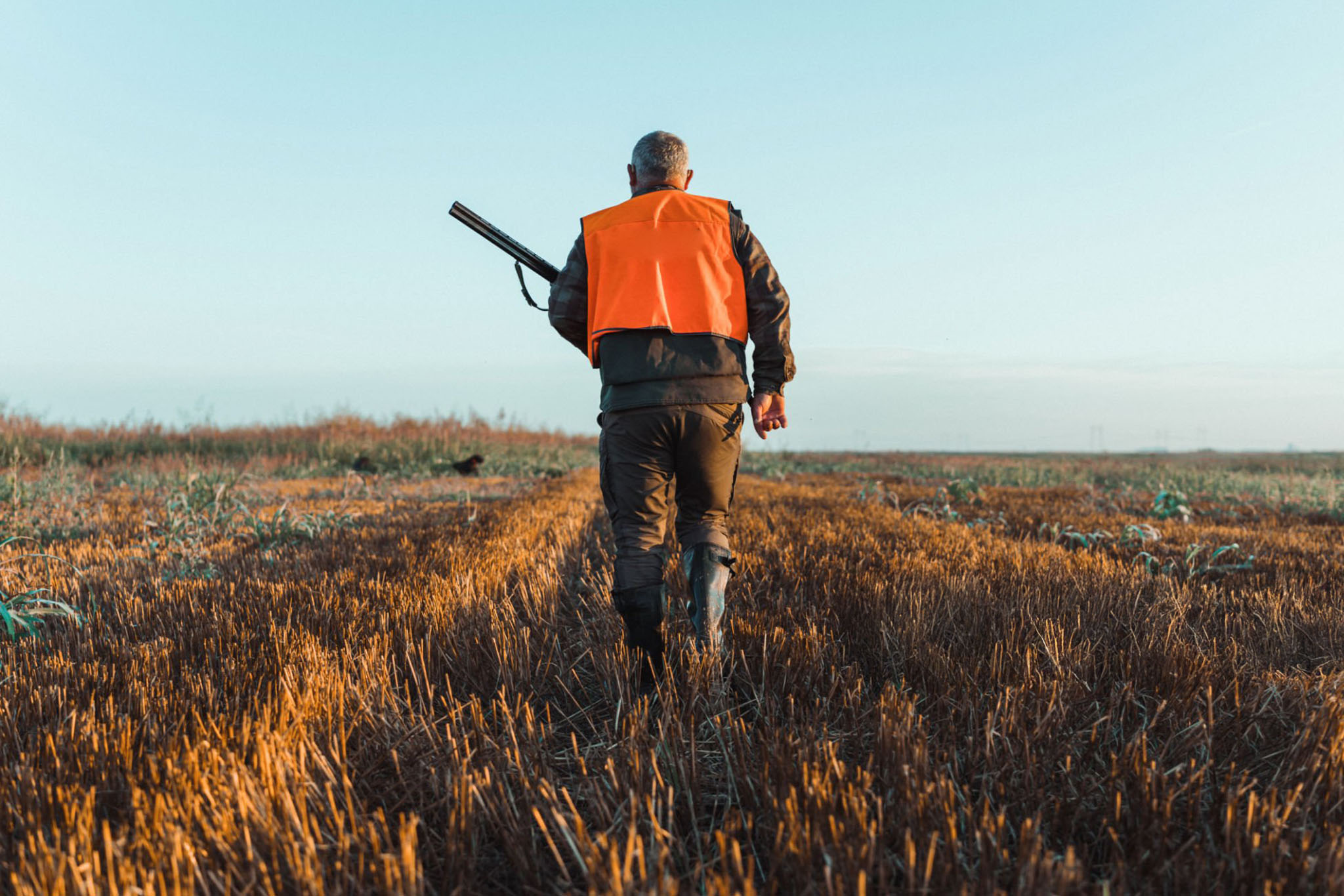
As summer stretches on, bucks are moving through one of the most critical phases of their yearly cycle—growing, nourishing, and eventually shedding their velvet. For hunters, this period offers a unique window to pattern mature deer before they make the subtle yet dramatic shifts in behavior that come with fall. If you want to be ahead of the game, it’s time to understand how to track deer from velvet to hard antlers and position yourself for success when the season opens.
🦌 1. Understanding the Velvet Phase
During summer, bucks are calm, social, and focused on one thing: feeding to fuel antler growth. Their velvet-covered racks are sensitive, so they avoid any hard contact and stick to safe, predictable routines.
Key Traits of Velvet Bucks:
- Bachelors Club: Mature bucks often travel in small bachelor groups, making them easier to observe.
- Evening Feeding Patterns: They frequent ag fields, food plots, and lush browse in late evenings.
- Low Pressure Areas: Velvet bucks prefer secluded feeding areas close to bedding cover.
🎯 Hunter’s Insight: This is the perfect time to inventory bucks with trail cameras or glassing sessions from a distance. Avoid intruding on core areas and leaving scent.
🌾 2. Summer Scouting: Building the Intel
If you want to connect the dots between summer sightings and fall opportunities, you need to scout with purpose.
Trail Cameras:
- Place them along field edges, mineral sites (where legal), and near watering holes.
- Face cameras north or south to avoid sun glare ruining your images.
- Check them sparingly to avoid educating deer.
Glassing Sessions:
- Set up on a high point with good optics and observe fields during the last hour of light.
- Record which bucks show up, where they enter/exit, and any consistent patterns.
🎯 Hunter’s Insight: Log every observation into a notebook or mapping app like OnX or HuntStand to start seeing movement trends.
🍂 3. The Shift: From Summer Patterns to Fall Behavior
As bucks shed their velvet in late August and early September, their priorities shift dramatically:
- Hormonal Changes: Testosterone surges, causing bucks to rub off their velvet and break up bachelor groups.
- Territorial Instincts: They begin staking out home ranges and establishing dominance through rubs and scrapes.
- Food Preferences: Deer often abandon open fields for acorns and hard mast in the woods.
🎯 Hunter’s Insight: That bachelor group you watched all summer may disperse, but your summer scouting isn’t wasted—it tells you where bucks started and hints at their core areas.
🌳 4. Preparing for the Fall Shift
Identify Transition Zones:
- Focus on areas where food sources change, such as edges of oak flats, soft mast trees, or thick cover near water.
- Bucks often move from summer bedding in open woods to denser fall bedding to avoid pressure.
Prep Stands Early:
- Hang stands in August near travel corridors but keep them out of core bedding areas until you’re ready to hunt.
- Trim shooting lanes now so deer have time to acclimate to the disturbance.
🎯 Hunter’s Insight: Hunt the “first sits” in early season carefully—your best chance at a daylight mature buck is often the very first time you enter a stand.
🏹 5. Dial in Your Gear and Strategy
- Bowhunters: Practice shooting from elevated positions in full gear. Bucks are jumpy after the velvet shed—perfect arrow placement is critical.
- Scent Control: Mature bucks become increasingly wary after shedding velvet. Begin scent-free routines and consider wind thermals in stand placement.
- Plan for Changing Winds: Early fall cold fronts can cause bucks to shift movement patterns overnight. Stay flexible.
🎯 Hunter’s Insight: Transition periods are when mature bucks are most patternable—but also most vulnerable to mistakes from careless hunters.
🦌 Final Thoughts: Stay Ahead of the Curve
Tracking deer from velvet to hard horns is all about staying a step ahead. If you learn where bucks feed, bed, and transition during summer, you’ll know where to intercept them as their patterns tighten in fall.
The hunters who do their homework now—scouting smart, preparing quietly, and reading the woods like a book—will be the ones posting their grip-and-grin photos first.
Put in the work while the racks are still soft. By the time they’re hardened, so will your game plan.
