
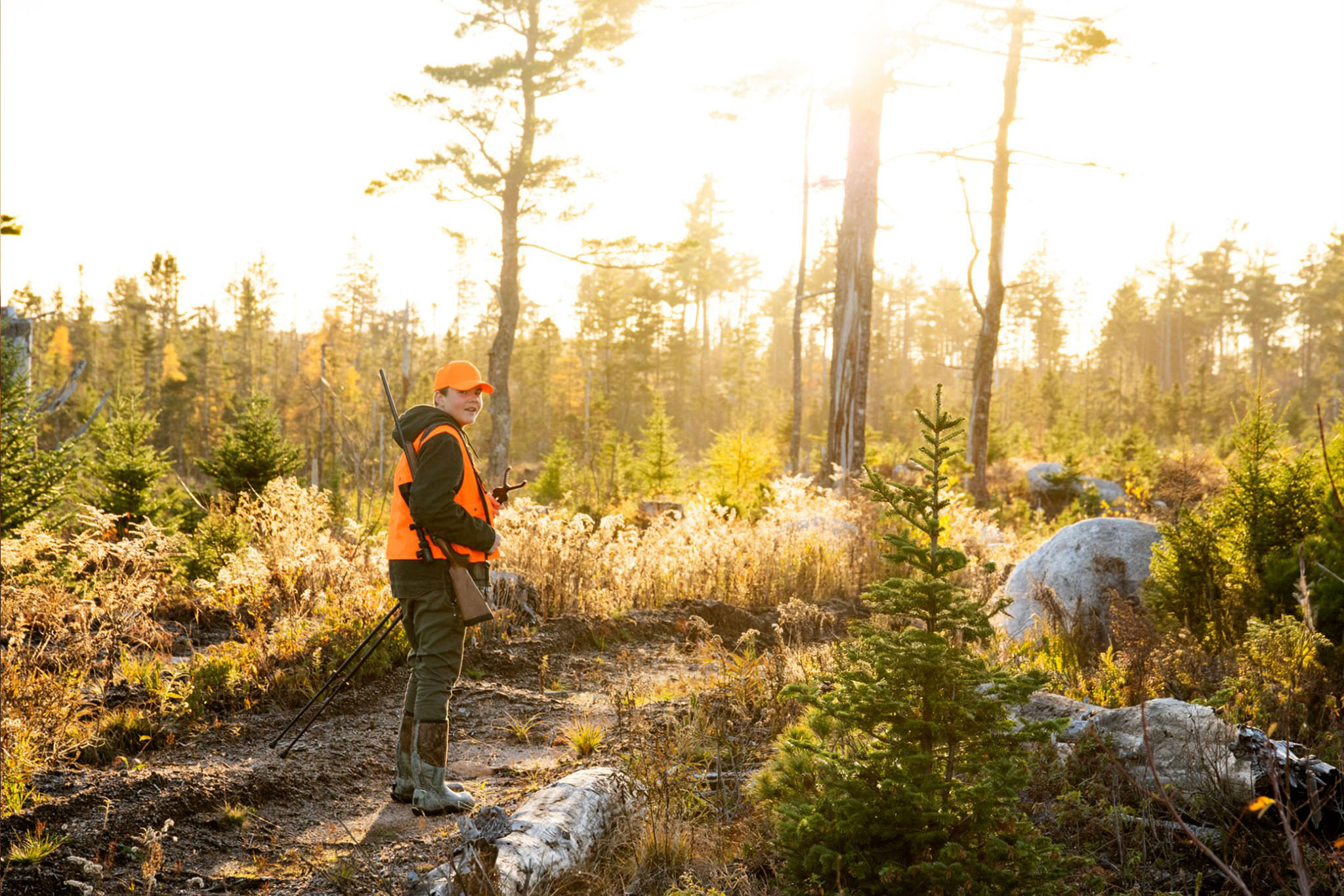
Summer hunting isn’t for the faint of heart. The days are long, the sun is relentless, and the game is smarter than you think. But if you know how to work with the heat instead of against it, summer can be one of the most productive times to prepare and even hunt select small game and predators.
This guide breaks down proven summer hunting strategies—from early-morning glassing sessions to late-evening ambushes—that help you stay cool, stealthy, and successful in the field.
🌅 The Dawn Advantage: Beat the Heat, Find Active Game
Early morning is the golden hour for summer hunters. As temperatures drop overnight, animals are more active at first light.
✅ Why Hunt Early?
- Deer, turkey, and small game often feed heavily just before sunrise.
- The air is cooler, reducing your risk of heat exhaustion.
- Wind conditions are typically calmer for bowhunters.
🎯 Tactics for Success
- Get there early: Be in your stand or glassing spot at least 30 minutes before legal shooting light.
- Focus on food sources: Hit areas where game feeds in the morning (clover fields, oak flats, crop edges).
- Play the wind: Early morning thermals pull scent downhill—use it to your advantage.
☀️ Midday: Smart Moves for the Hottest Hours
By late morning, most game animals are bedding down in shady cover to escape the heat. That doesn’t mean you should call it quits.
✅ What to Do Midday
- Scout bedding areas carefully: Look for shaded thickets, creek bottoms, and cedar patches where deer hole up.
- Set up trail cameras: Place them near water sources or along shaded trails.
- Check and repair gear: Use the downtime to tune your bow, sight rifles, or prepare stands.
🎯 Stealth Tip: If you absolutely must stalk or push midday, slow down and glass ahead constantly. Heat waves can distort your view, so take your time.
🌆 Evening Hunts: Capitalize on Cooling Temps
As the sun dips low, the woods and fields come alive again.
✅ Why Hunt Late?
- Thermals switch as evening air cools, drawing scent uphill—plan your approach accordingly.
- Deer and other game animals emerge from bedding to feed.
- Bugs and humidity are still high, but slightly less intense than midday.
🎯 Evening Strategies
- Water sources are key: Set up near creeks, ponds, or tanks where animals come to drink.
- Edge hunting: Transition zones between woods and open fields are prime feeding spots.
- Stay until dark: Some mature bucks won’t step out until the last few minutes of legal light.
🏹 Essential Gear for Summer Hunting
The right gear makes or breaks a summer hunt:
✅ Clothing
- Lightweight, breathable, moisture-wicking layers.
- A wide-brim hat or neck gaiter for sun protection.
- Bug-resistant clothing or insect repellent.
✅ Footwear
- Waterproof, lightweight boots for muddy creek bottoms.
- Consider breathable hunting boots for all-day comfort.
✅ Other Must-Haves
- Hydration packs or water bottles.
- Scent control sprays and storage bags.
- Compact ground pads for sitting in shaded bedding areas.
🎯 Pro Tip: Bring a small, portable fan for blinds—it keeps air moving and deters insects.
🐾 Focus on Summer Predator and Small Game Hunting
While deer may be off-limits in most states during summer, predators like coyotes and small game like rabbits and squirrels often have open seasons.
✅ Predator Tactics
- Early morning calling sessions mimic prey animals in distress.
- Use shaded ridge tops for better visibility.
✅ Small Game
- Focus on creek bottoms and thickets in early morning or late evening.
- Rimfire rifles or shotguns are ideal for quick shots.
❌ Common Summer Hunting Mistakes
🚫 Ignoring hydration: Dehydration sneaks up fast—drink small amounts often.
🚫 Overpacking: Excess gear slows you down and makes you sweat more.
🚫 Neglecting scent control: Heat amplifies human odors; stay meticulous.
✅ Final Thoughts: Make Summer Count
Hunting from dawn to dusk in the summer requires adaptability and grit. The key is working with the heat—capitalize on the cool hours, use midday to scout and prep, and hit the field again in the evening. With the right approach, summer becomes more than just the off-season—it’s your time to scout smarter, fine-tune your skills, and even bag some predators or small game along the way.
So lace up those boots, grab your bug spray, and hunt the heat with confidence.
