
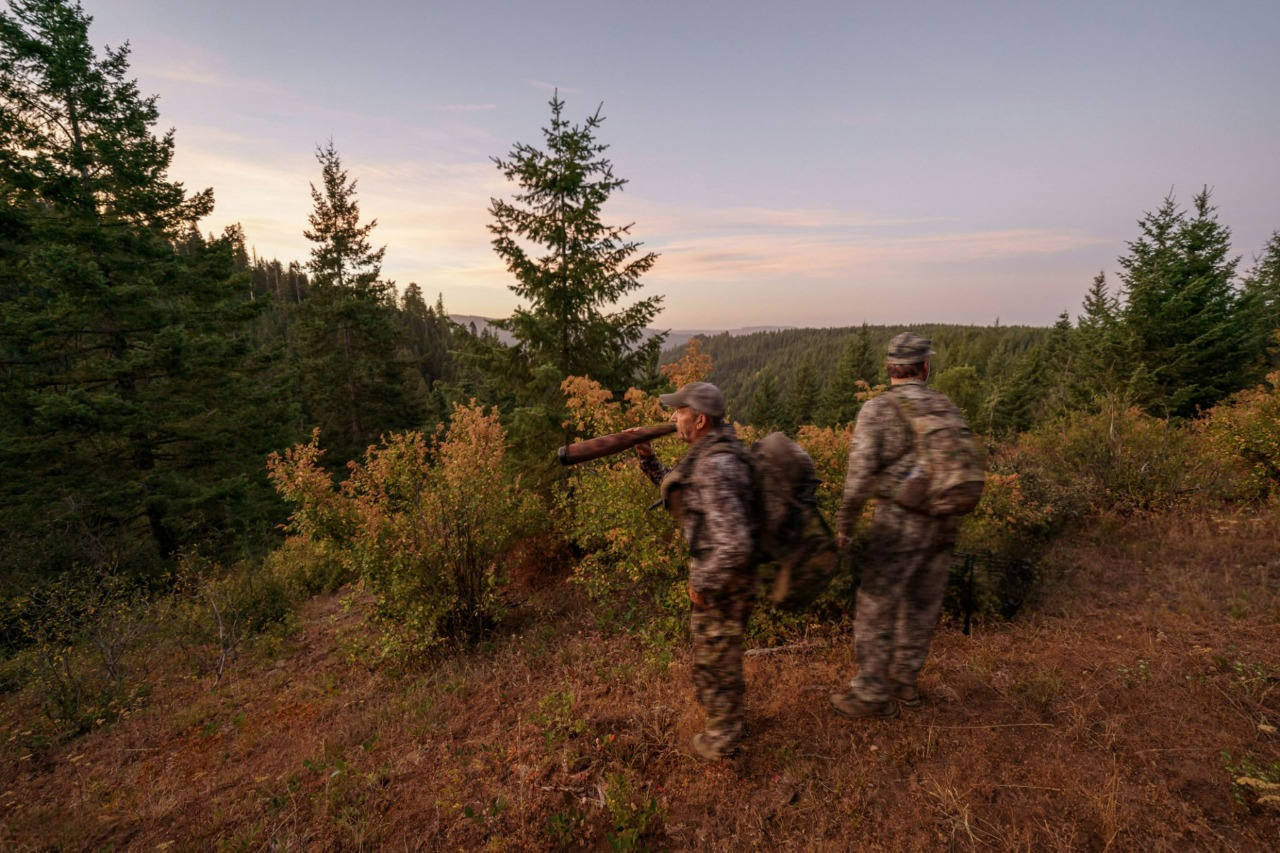
The summer woods might look calm and quiet, but if you know how to read the signs, they’re full of whitetail whispers. While the deer may be more relaxed this time of year, they still leave behind a trail of clues that, when interpreted right, can give you a serious edge come fall. Whether you’re tracking velvet-clad bucks or monitoring doe movement, understanding summer tracks, beds, and browsing patterns can help you pinpoint their habits before the woods turn red and gold.
Here’s how to gather whitetail intel in summer like a seasoned pro.
Why Summer Sign Matters
Summer sign might not always reflect what you’ll see in October and November, but it’s often the starting point of a larger seasonal pattern. Bucks are on a fairly predictable schedule in summer, sticking close to bedding, food, and water sources. By reading the subtle signs they leave behind, you can map their core area and build a playbook that pays off when it’s time to hunt.
1. Summer Tracks: More Than Just Footprints
Tracking deer in the summer heat takes a trained eye. The ground is often drier, and thick vegetation can obscure the obvious. But with attention to detail, tracks tell you not only where a deer has been—but when and how it’s moving.
What to Look For:
- Freshness: Tracks with crisp edges or slight moisture underneath are recent. A fresh track in dusty soil means the deer passed through within hours, not days.
- Stride and Direction: A wide stride and deep impression could indicate a heavier, mature buck. Observe the angle—does the track lead from bedding to a feeding area?
- Groupings: A cluster of smaller tracks suggests does and fawns. Larger tracks near these groups could signal a buck trailing the herd or sharing the area.
Best Places to Find Summer Tracks:
- Muddy spots near water holes or creeks
- Sandy patches on logging roads or field edges
- Soft soil around food plots, mineral sites, or ag fields
Pro Tip: Early mornings after a rain offer perfect conditions to find new prints.
2. Beds: Summer Rest Spots Reveal Core Areas
Summer bedding is all about comfort, shade, and safety. Bucks don’t like heat, and they’ll seek out the coolest, quietest spots to spend the day.
How to Identify a Summer Bed:
- Oval depressions in tall grass, ferns, or leaf litter—often 3 to 4 feet long
- Flattened vegetation, sometimes accompanied by fresh droppings or hair
- Often located on north-facing slopes, in low-lying cover, or along the edges of timber and thickets
Interpreting Bedding Sign:
- Solitary beds in thicker cover usually belong to bucks.
- Clustered beds in open areas are more likely doe family groups.
- Beds with a good view and escape cover show preferred safety zones.
Don’t press too close. If you find a bed that looks fresh, back out and mark it. Bumping deer now may cause them to relocate before you’ve fully learned their pattern.
3. Browsing Sign: Deer Eat with a Signature
Deer browsing is subtle, but once you learn the difference between their bite and that of a rabbit or raccoon, you’ll start spotting feeding sign everywhere.
Key Features of Deer Browse:
- Ragged, torn tips: Unlike rabbits or rodents, deer don’t have upper incisors, so their bites leave rough, shredded ends on plants.
- Knee-high damage: Most browsing is 1 to 4 feet off the ground—the natural height of a feeding deer.
- Preferred summer forage:
- Young leaves and shoots of maple, sumac, or sassafras
- Greenbrier, honeysuckle, wild grapevine
- Soybeans, clover, and alfalfa in ag fields
What Browse Sign Tells You:
- The location and frequency of feeding show core travel routes.
- Heavy browsing in a concentrated area could indicate a nearby bedding site or a doe nursery zone.
- Sparse, spotty browse may mean transient movement, not a consistent pattern.
Track browsing over time—what they eat in June may shift by August, but the areas with consistent food and cover tend to stay active.
4. Layering the Intel: Bringing Tracks, Beds, and Browse Together
Reading one sign tells you something. Reading multiple types of sign in the same area? Now you’re in business.
Let’s say you find a shaded creek bottom with:
- Fresh, heavy tracks
- Two oval beds facing opposite directions
- Torn-off pokeweed and nipped blackberry stems nearby
You’re likely standing in a summer staging area. Bucks may be bedding nearby and moving to the creek to feed and cool off before dark. Drop a pin in your mapping app, set a trail cam on a trail leading in, and revisit the area later in the evening to glass from a distance.
Bonus: Don’t Overpressure Summer Grounds
Summer is for scouting, not stomping. Your goal is to gather information without disrupting patterns. Use long-range optics. Rely on trail cams. Watch from afar. Stay scent-conscious.
You’re not hunting deer in July—you’re learning them. And they’re learning you, too. Every disturbance gets remembered.
Final Thoughts: The Woods Are Talking—Are You Listening?
Every track, bed, and bite mark tells a story. You just need to know how to read it.
In summer, whitetails write their schedule in subtle signs—signs that can lead you straight to a filled tag in October or November. If you want an edge this season, skip the guesswork. Get in the woods now. Read the clues. Scout smart.
Because the hunters who succeed in the fall? They’re the ones who paid attention in the summer.
