
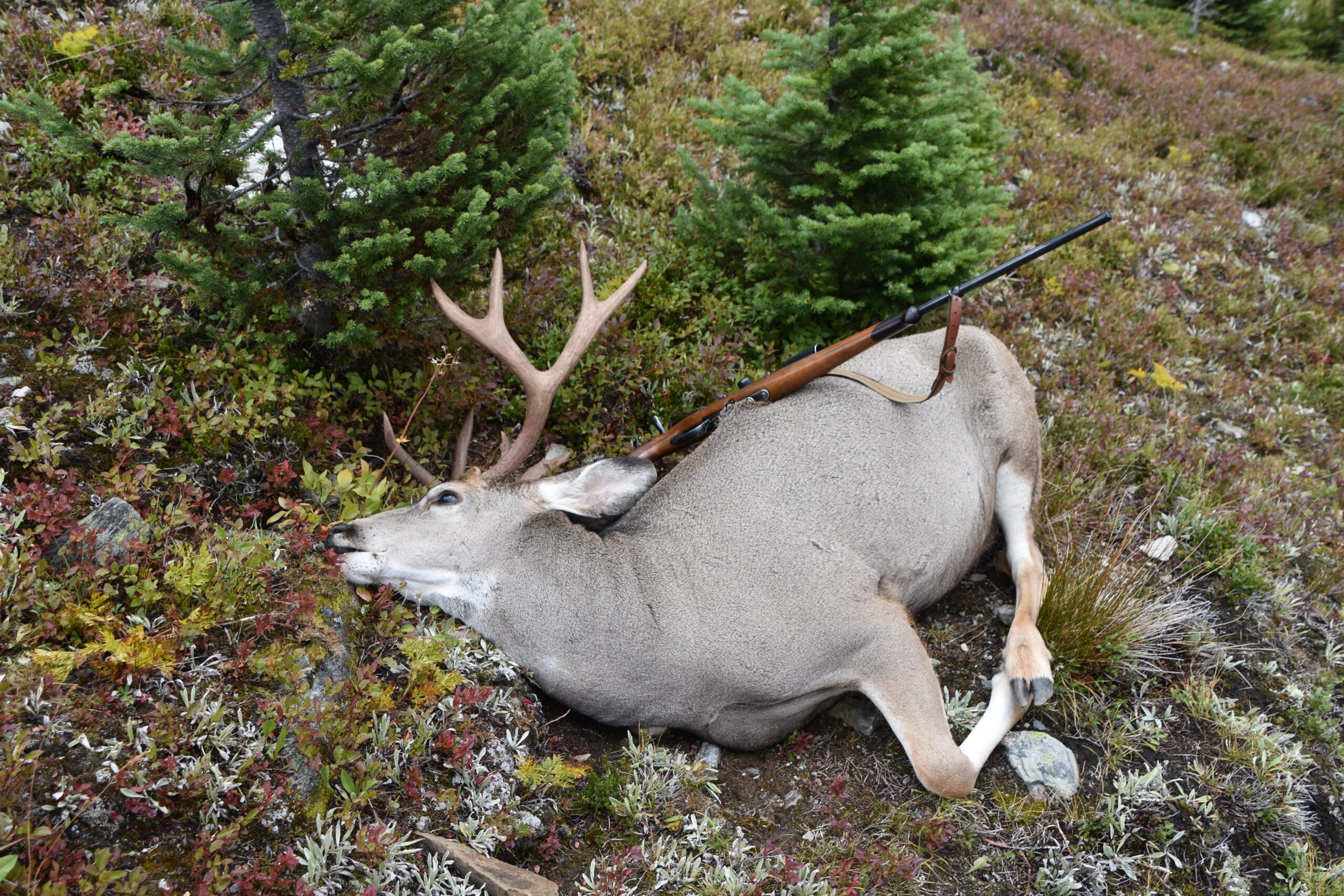
Spring hunting success doesn’t start when you pick up a weapon—it starts weeks before, with smart scouting. But there’s a fine line between gathering intel and blowing your shot before the season even starts. If you’re tromping through bedding areas or bumping animals on every trip, chances are you’re educating your prey instead of outsmarting them.
That’s where low-impact spring scouting comes into play. Whether you’re prepping for turkey, deer, or even spring bear, here’s how to scout effectively without leaving a footprint they’ll remember.
Why Low-Impact Scouting Matters in Spring
Animals are waking up from winter survival mode. Food sources shift, ranges expand, and breeding behavior ramps up. During this sensitive window, one bad move can bump a buck or gobbler to a new zip code.
Low-impact scouting focuses on stealth, timing, and smart observation—the kind that pays off come opening day.
1. Start With Digital Scouting
Before you even lace up your boots, crack open the digital tools. Apps like OnX Hunt, HuntStand, and Google Earth give you aerial views, topo maps, and access boundaries. Look for:
- South-facing slopes (early greenery attracts deer and turkeys)
- Field edges and funnels
- Old logging roads and creek crossings
- Roosting ridges (for turkeys)
Drop pins, mark potential bedding areas, and set up a rough route before stepping foot on the ground.
2. Use Binoculars and Spotting Scopes
Long-range glassing is your best friend in spring. Instead of diving into the woods:
- Find a high vantage point overlooking a feeding field, open woods, or transition zone.
- Set up during prime movement times—early morning and late afternoon.
- Look for movement patterns: Where are deer entering/exiting fields? Do turkeys hit the same strut zones daily?
Glassing from afar lets you pattern game without laying down scent or pressure.
3. Trail Cameras: Your Silent Scout
Trail cams are invaluable this time of year. But placement is everything.
Low-impact tips:
- Use cellular trail cameras so you don’t have to revisit the spot.
- Wear rubber boots and gloves to minimize scent.
- Hang cams on field edges, mineral sites, or travel corridors, not right on bedding areas.
Check or swap SD cards sparingly—once every 10–14 days is plenty.
4. Scout Midday, Not Morning or Evening
Avoid prime game movement hours. If you need boots on the ground, scout between 10 a.m. and 2 p.m., when most animals are bedded and inactive.
Move slowly, stay downwind, and always assume an animal is just out of sight. The goal isn’t to get close—it’s to learn without being noticed.
5. Avoid Direct Contact With Bedding and Roosting Areas
It’s tempting to peek into that thicket or check for turkey droppings under that big oak, but don’t risk it. Instead:
- Identify bedding zones or roost trees based on surrounding sign (tracks, trails, droppings, feathers).
- Observe trails leading in and out of thick cover without walking directly in.
- Mark potential hot spots to revisit once the season opens.
The fewer times you intrude, the better your odds stay.
6. Watch the Wind, Every Time
Even if you’re just walking an edge or checking a cam, wind direction matters. Animals associate human scent with danger, and they remember where they smelled it.
Use a wind checker bottle or powder and always approach areas with the wind in your face. If the wind’s wrong—go somewhere else or save it for another day.
7. Log Everything
Keep a scouting journal or digital log. Every time you head out, jot down:
- Time and date
- Weather and wind direction
- Animal sightings or sign
- Trail cam activity
Over time, this helps you spot patterns and make smarter moves. The animals are consistent—you need to be, too.
8. Prep Quiet Access Routes
If you’re hunting public or permission land, take the time now to clear deadfall, mark trails, and plan quiet entries. Look for:
- Ditches, old fence lines, or game trails you can walk quietly.
- Spots to park or enter without skyline-silhouetting yourself.
- Natural landmarks to guide you in low light.
You don’t want to be stomping through dry leaves or snapping branches opening morning.
Final Thoughts: Scout Smart, Hunt Smarter
Spring is a magical time in the woods—but it’s also a fragile one. Animals are shifting patterns, building routines, and becoming more alert to disturbance. By scouting with care and intention, you can gather the intel you need without alerting every critter within a square mile.
Low-impact scouting isn’t about doing less—it’s about doing it right. So take your time, trust your gear, and play it cool. When opening day comes, you’ll be steps ahead of the game—literally.
Want more tips for spring hunting success or gear recs for stealth scouting? Drop a comment or connect with us—we’re all about getting you closer, quieter, and more dialed in.
