
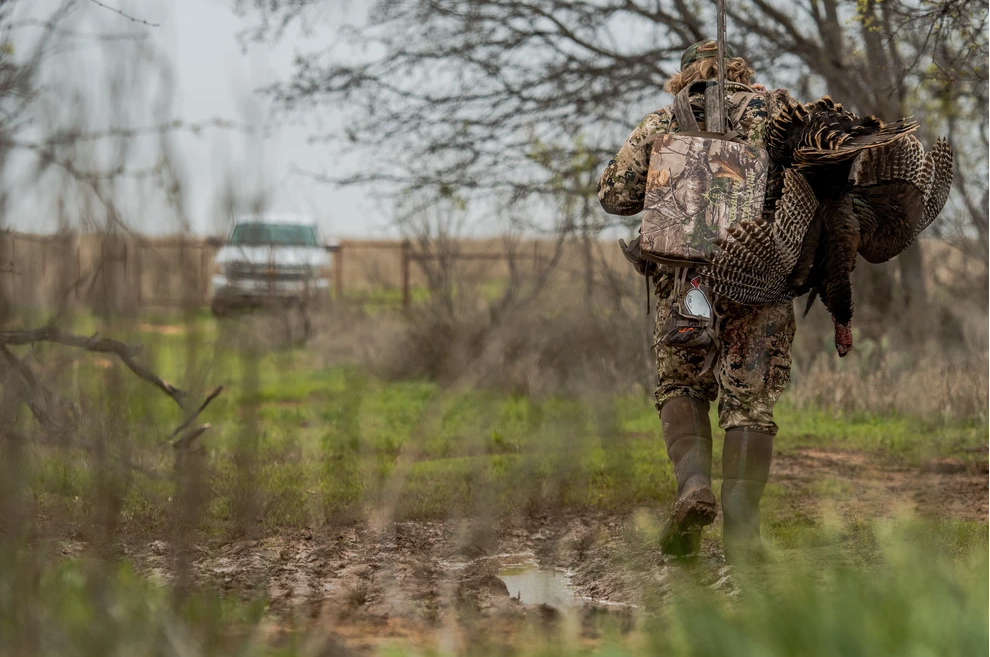
For hunters, the window between sunrise and sunset is sacred. These are the golden hours when game animals are most active, and understanding how to maximize your time in the field can mean the difference between success and going home empty-handed. Successful hunting isn’t just about being in the right place at the right time — it’s about knowing how to adapt to changing conditions, understanding animal behavior, and making strategic decisions throughout the day. In this guide, we’ll break down how to maximize your hunting hours from dawn until dusk, giving you the edge you need for a successful hunt.
1. Pre-Dawn Preparation – Set the Stage for Success
The most successful hunts start well before the sun comes up. Pre-dawn preparation gives you the advantage of setting up without disturbing the environment and helps you get into position before game animals begin to stir.
✅ Scout the Area the Day Before
- Identify key locations like feeding areas, bedding zones, and water sources.
- Look for natural travel corridors and set up downwind to avoid being detected by scent.
- Mark entry and exit routes to avoid getting lost or making noise in the dark.
✅ Gear Up the Night Before
- Organize your pack and make sure all your gear is in working order.
- Load your firearm or check your bow and arrows for any signs of wear or misalignment.
- Wear appropriate layers for early-morning chill, but be prepared to shed them as the day warms up.
✅ Arrive Early and Set Up Quietly
- Get to your hunting spot at least 30–45 minutes before sunrise.
- Move slowly and deliberately to avoid spooking game.
- Allow the woods to “settle” after you’ve set up — animals are sensitive to disturbances.
Pro Tip: If you’re hunting from a tree stand, climb up and settle in well before first light. This reduces the chances of alarming nearby game.
2. Sunrise – Capitalize on Peak Morning Activity
The first two hours after sunrise are often the most productive hunting hours of the day. Animals are moving from their bedding areas toward feeding zones, and they are more active in the cool, crisp morning air.
🦌 Target Feeding and Travel Routes
- Position yourself near food sources like fields, acorn patches, or natural grazing areas.
- Set up near game trails or pinch points where animals are likely to travel.
- Pay attention to wind direction and use natural cover to stay concealed.
🎯 Use Soft Calls and Gentle Rattling
- Deer and turkey respond well to soft calls early in the morning.
- Try light rattling or soft grunts to mimic natural sounds.
- Avoid aggressive calling, which can scare off cautious animals.
🌅 Be Ready for Quick Shots
- Morning light is often low, so ensure your optics are adjusted for early light conditions.
- Be ready to shoot at a moment’s notice — game can appear suddenly along travel routes.
- Take high-percentage shots only; don’t rush or force a poor angle.
Pro Tip: Early morning is also a great time to hunt waterfowl, as they often fly low and gather on lakes and ponds after sunrise.
3. Midday – Stay Sharp When Activity Slows
By late morning and early afternoon, game activity typically slows down as animals seek shelter from the sun and bed down. This doesn’t mean you should head back to camp — it’s an opportunity to adjust your strategy.
🔎 Hunt Bedding Areas and Shaded Cover
- Focus on shady areas with thick cover, where animals retreat during the heat of the day.
- Slowly still-hunt through these areas, watching for slight movements or the flick of an ear.
- Consider hunting near water sources where animals may visit to cool off.
🦅 Glass and Observe
- Use binoculars or a spotting scope to locate bedded game from a distance.
- Watch for subtle movement — antlers shifting or a head rising from tall grass.
- Plan an approach based on wind direction and cover.
🌲 Stay Cool and Rest When Needed
- If temperatures climb, take advantage of natural shade to stay cool.
- Hydrate regularly and avoid exhaustion — fatigue reduces focus and accuracy.
- Keep quiet — midday hunts require more stealth and patience than morning or evening hunts.
Pro Tip: If you’re hunting public land, midday is a great time to relocate to less-pressured areas as other hunters may head back to camp for lunch.
4. Afternoon – Prepare for the Evening Surge
As the sun starts to dip, animal activity begins to pick up again. The last two to three hours of daylight are second only to the morning rush in terms of game movement.
🦌 Position Yourself Along Evening Travel Corridors
- Game animals tend to move from bedding areas toward feeding zones in the evening.
- Set up near field edges, watering holes, or oak flats where animals may feed.
- Ensure the wind direction remains in your favor to avoid detection.
🌄 Increase Calling and Rattling Intensity
- Slightly more aggressive calling works better in the evening when animals are more confident.
- If you’re hunting deer, use a grunt call or light rattling to draw them in.
- For turkey, evening yelps or soft clucks can trigger a response.
🎯 Be Patient and Prepared
- Animals may approach cautiously as darkness sets in.
- Keep your weapon ready but avoid hasty shots — wait for a broadside or quartering-away angle.
- Stay focused — the last 15 minutes of shooting light can be the most productive of the day.
Pro Tip: Don’t leave your stand or blind until shooting light has fully ended — many mature bucks and gobblers show up right at the last moment.
5. Post-Sunset – Secure and Process Your Game
If you’ve had a successful evening, the work isn’t over yet. Proper handling of your harvest ensures you preserve the quality of the meat and honor the animal.
🔪 Field Dressing and Processing
- Field dress your animal as soon as possible to prevent spoilage.
- Remove internal organs and cool the carcass quickly to preserve meat quality.
- If temperatures are warm, hang the carcass in a shaded, breezy spot or place it on ice.
🦅 Be Safe While Exiting the Field
- Use a headlamp or flashlight to navigate safely back to your vehicle or camp.
- Keep an eye out for predators or other hunters in the area.
- If you’re transporting large game, use a sled or cart to avoid injury.
Final Thoughts
Hunting from sunrise to sunset requires more than just physical stamina — it demands strategy, adaptability, and a deep understanding of animal behavior. By tailoring your tactics to different times of day, you can maximize your chances of success and make the most of every minute in the field. Remember, successful hunting isn’t about luck — it’s about preparation, patience, and the ability to read the environment. Stay focused, stay quiet, and make every hour count.
Happy hunting — may your next trip from sunrise to sunset be your most successful yet!
