
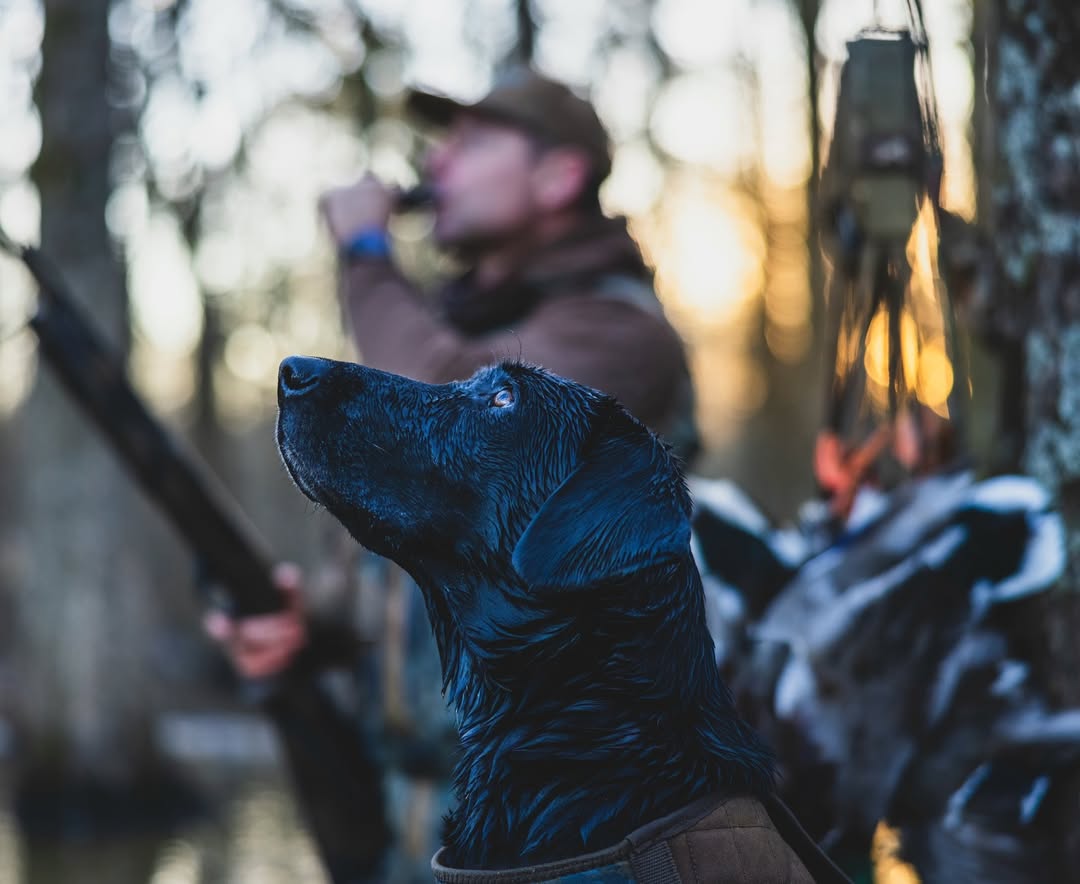
As winter gives way to the thaw of early spring, waterfowl hunters are faced with a unique challenge: finding ducks before the full green-up of marshes and wetlands. The rush of spring migration brings ducks to the same areas you’ve hunted in previous seasons, but to target them effectively, it’s important to know where to look and how to adapt your approach. Before the leaves return, waterfowl behavior shifts in subtle but predictable ways that can put you in the best position to bag a bird.
In this article, we’ll explore how to maximize your early spring hunting opportunities, providing insights on habitat changes, migration patterns, and techniques to successfully hunt ducks in this often-overlooked window of opportunity.
Understanding Duck Behavior Before Green-Up
The key to finding ducks in early spring is understanding how their behavior changes as winter transitions into warmer months. Here’s what happens:
1. Migratory Shifts:
As the weather warms and daylight increases, waterfowl begin their migration north, but not all birds leave at once. Some species, such as mallards, canvasbacks, and northern pintails, linger in southern areas before making their final journey to breeding grounds. These “stragglers” can be found in transition zones between their wintering grounds and their spring stopovers.
2. Change in Feeding Habits:
Before green-up, ducks rely on remaining open water and available food sources. This means they are likely to concentrate in areas with melting ice, shallow wetlands, or ponds with remaining standing water. The presence of decaying vegetation, invertebrates, and a limited amount of submerged vegetation becomes prime foraging grounds.
3. Evasion Tactics:
Ducks during early spring are more cautious. As they move through less familiar terrain, they tend to stay closer to cover, seeking shelter in thicker reeds, cattails, and pockets of wetland where predators are less likely to spot them. They will also use low-light hours, such as early mornings and late afternoons, to forage.
Best Early Spring Duck Hunting Locations
Knowing where ducks are likely to be in early spring is essential. Here are some of the best locations to focus on:
1. Meltwater Ponds and Shallow Marshes
When the ice starts to recede, puddles and shallow ponds with the first signs of green shoots will attract waterfowl. Ducks are often seen feeding here as they take advantage of the easy food sources in the shallow depths. These areas offer early vegetation as well as exposed mudflats that attract insects, a critical food source during migration.
2. River Edges and Inlets
Rivers and streams that feed into larger lakes or marshes offer cleaner, faster-moving water that ducks prefer when the rest of the wetlands are still recovering from winter. Look for inlets, backwaters, or slower-moving parts of the river where food sources like small fish, insects, and submerged plants remain abundant.
3. Swamps with Thawed Pockets
Swamps can be a great early-season hunting spot when only a few areas are thawed out. Ducks will congregate in these pockets, often hidden from view, using them as resting and feeding grounds. If the swamp is still half-frozen, focusing on the thawing edges can yield excellent results.
4. Ponds with Exposed Mud Flats
As ice melts and mud flats emerge, ducks will congregate in these areas to feed on exposed roots, seeds, and invertebrates. The soft mud makes it easier for them to forage, and these areas are prime for early spring hunts.
Early Spring Hunting Tactics
Once you’ve identified where the ducks are likely to be, you need the right strategy to get the jump on them. Here’s how to increase your chances of success:
1. Be Quiet and Stealthy
Early spring waterfowl are wary. They haven’t been hunted as much in recent months, and they’re more cautious about predators. Approach hunting areas slowly and avoid loud noises. Use low-profile blinds or natural cover that blends with the environment.
2. Use Decoys Strategically
During this time, ducks aren’t in their usual large, tight groups. Decoy spreads should be smaller but strategically placed in areas where ducks are likely to land, such as the edges of thawing ponds or near reed beds. A few decoys can be just as effective as a large spread when ducks are less focused on flocking behavior.
3. Use Early Spring Calls
Ducks will begin their courtship calls in early spring as they prepare for breeding season. Mimicking these sounds with soft quacks and breathy mallard calls can entice ducks to approach. However, you should keep your calling subtle, as ducks are often more cautious during this time.
4. Hunt Early or Late
Ducks tend to be more active at dawn and dusk. Since many of the prime hunting areas are still transitioning, ducks will use these times to feed in less-crowded spots. Being ready at first light or staying out later when the ducks are more relaxed can make a big difference.
Challenges and Considerations for Early Spring Duck Hunting
1. Unpredictable Weather
Spring weather can be tricky, especially in transitional climates. Warm days are often followed by cold fronts or sudden freezes, which can make duck movement erratic. Keeping an eye on the weather forecast will help you plan better and adjust your tactics accordingly.
2. Inconsistent Flight Patterns
Ducks aren’t as predictable in early spring. They may spend days in one area before moving on, and finding them consistently can be challenging. Scouting and tracking is essential to identifying their feeding and resting patterns.
3. Access Issues
In early spring, many hunting locations may still have areas of frozen ice or high water levels. Make sure you are equipped to navigate these areas, whether it’s by kayak, canoe, or even walking in when possible. Accessing areas without causing disruption is key to a successful hunt.
Conclusion
Hunting ducks before the full green-up of spring presents a unique challenge but also an exciting opportunity. By understanding duck behavior during the thaw and targeting the right locations, you can increase your chances of success. Early spring hunting is not just about the blind but about getting out beyond the blind—reading the conditions, understanding duck movements, and adapting your strategy to the first signs of life in the water. This quiet window between winter and full green-up can be some of the best hunting of the season if you know where and how to look.
