
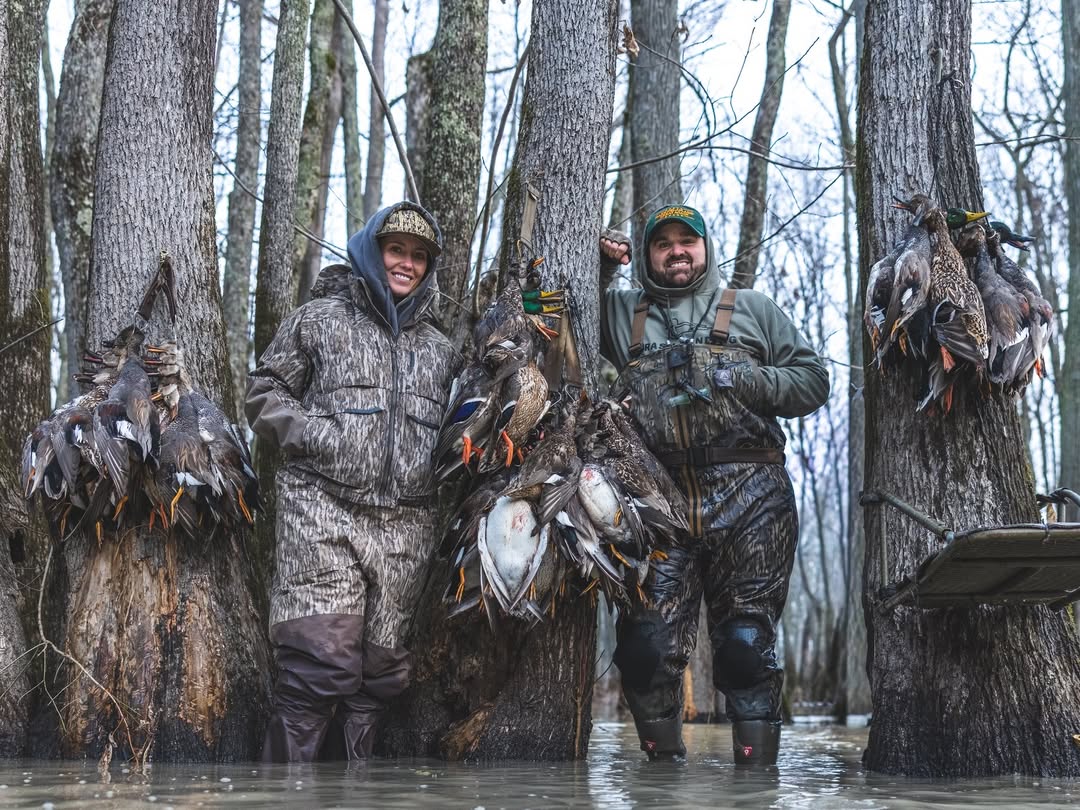
Early spring marks a transitional period for waterfowl hunting. As ice melts and ponds start to thaw, ducks become cautious and unpredictable, often wary after a long winter. For hunters, this is both a challenge and an opportunity. Understanding how to use calling effectively in early spring can mean the difference between a successful hunt and hours of frustration.
Understanding Duck Behavior in Thawing Ponds
Before picking up your calls, it’s critical to understand why ducks behave differently in early spring:
- Cautious Movement: After the harsh winter, ducks are often hesitant to settle in open ponds. Predation risk is high, and birds are learning which water sources are safe.
- Food Motivation: Natural food sources are still scarce. Ducks rely on leftover grains, early aquatic vegetation, or emerging insects. This makes food-based setups more effective than relying solely on calls.
- Small Groups: Unlike the large flocks of late fall, early spring sees smaller groups of waterfowl, which are more sensitive to disturbances.
Timing Your Calls for Maximum Effect
Early spring hunting requires precision in both timing and tone:
- Focus on Dawn and Late Afternoon
- Ducks are most active during the low-light periods when feeding and moving between ponds.
- Use short, subtle calls to attract attention without spooking the birds.
- Start Soft, Then Build
- Begin with light feeding and greeting calls, mimicking the gentle chatter of a relaxed group.
- Only escalate to excited or mating calls once you notice birds responding.
- Match Local Species
- Mallards, pintails, and teal respond differently to calls. Early spring is the best time to observe which species dominate thawing ponds and adjust your calls accordingly.
Setting Up Around Thawing Ponds
Location and setup are as important as calling itself:
- Identify Safe Water Pockets: Small, ice-free areas or ponds with early vegetation attract ducks seeking food and refuge.
- Use Natural Cover: Early spring ponds often have bare banks. Position decoys near natural cover or add minimal blinds to avoid startling wary ducks.
- Decoy Strategy: Use smaller spreads; large decoy setups can be intimidating in early spring when birds are cautious.
Reading Duck Reactions
A successful hunt depends on being responsive:
- Approach Response: If ducks lift off quickly or circle away, scale back calling intensity.
- Curious Circling: Ducks that circle or vocalize back are prime candidates. Focus on mimicking their calls in short, repeated bursts.
- Adjust Based on Species: Teal may respond to high-pitched whistling, while mallards prefer quacks with slight pauses. Observing and adapting is key.
Mistakes to Avoid
- Overcalling: Early spring ducks are suspicious. Constant loud calls will drive them away rather than attract them.
- Ignoring Wind Direction: Thawing ponds can be open and exposed. Always hunt with the wind in your favor to prevent your scent or sound from reaching wary birds first.
- Neglecting Early Signs: Look for fresh tracks, droppings, or small flight paths around ponds. Calling without scouting is often wasted effort.
Early Spring Calling Tactics: Quick Tips
- Use soft greeting and feeding calls first to establish a presence.
- Match your calls to local species — observe and adjust in real time.
- Set up decoys near natural cover to make wary ducks feel safe.
- Limit decoy spreads; small, realistic groups work best in early spring.
- Watch wind and light conditions; dawn and dusk are prime windows.
- Stay patient and quiet; early spring ducks are observant and cautious.
Conclusion
Hunting thawing ponds in early spring requires a balance of observation, patience, and subtle calling techniques. By understanding duck behavior, choosing the right setup, and using precise calls, hunters can take advantage of this unique window when waterfowl are still forming patterns and scouting their spring feeding grounds. Early spring may not offer the numbers of fall hunts, but for skilled callers, it offers unmatched opportunities to connect with ducks on their terms.
