
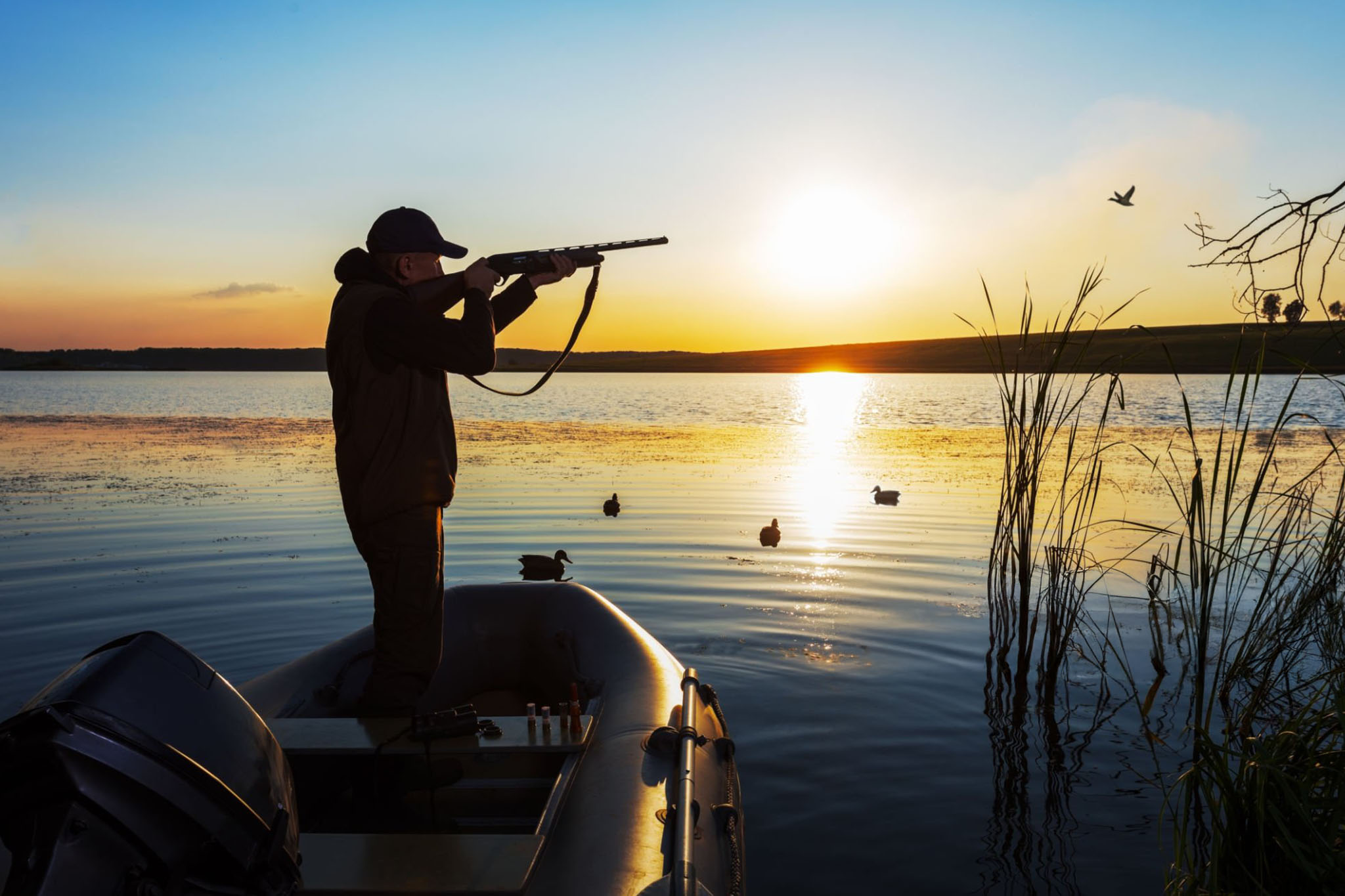
Winter waterfowl hunting is a season of extremes — icy winds, frozen marsh edges, and air so dense it feels heavy on your chest. While colder weather often pushes ducks and geese into predictable patterns, it also changes how sound travels across open water. The call that reaches birds in October may barely cut through the air in December. That’s why choosing the right call — and using it the right way — becomes one of the biggest advantages a hunter can have during the coldest weeks of the season.
This in-depth guide breaks down how winter air affects sound, which calls perform best, how material selection influences clarity, and what techniques help your calling cut through wind, distance, and pressure.
Why Winter Air Changes the Way Calls Carry
Before choosing a call, you have to understand the physics behind why winter calling is different.
1. Cold Air Is Denser
Sound travels faster in warm air and slower — but farther — in cold air. However, dense air also absorbs certain frequencies, especially higher-pitched notes.
2. High Frequencies Get Lost
Sharp, cracking hail calls that work great early season tend to get muffled in freezing conditions. They dissipate quickly and lose edge.
3. Humidity and Snow Absorb Sound
Dry winter air can carry low notes far, but snow-covered landscapes act like giant sound blankets. That can reduce your call’s reach by half.
4. Wind Direction Becomes Critical
North winds after a front can cut your call in half if you’re blowing into the gusts. Aligning your blind and decoys with wind patterns is essential for sound travel.
Understanding these factors lets you choose calls that match acoustic conditions — not just your calling style.
The Best Call Types for Cold Weather
Winter hunts demand calls that maintain volume, body, and clarity. Here’s how each major call type performs when temperatures drop.
1. Double-Reed Duck Calls: The Cold-Weather Workhorse
Double-reed calls naturally produce:
- Lower raspy tones
- Fuller sound
- Controlled airflow
These traits help the call stay intact in dense winter air without fading.
Perfect For:
- December mallards
- Mixed puddle ducks
- Heavy wind days
Why They Shine in the Cold:
Their deeper, throatier sound stands up better against wind and snow-covered marshes.
2. Acrylic Calls: Best for Sharp, Clean Projection
If you’re hunting big, open water or working high ducks, acrylic is the clear winner.
Advantages:
- Loud, crisp tone
- Doesn’t absorb moisture
- Performs consistently in cold weather
Great For:
- Reaching distant ducks
- Working pressured birds that need precise notes
- River, bay, or big-lake hunts
Pro Tip:
Acrylic maintains tone even when the temperature swings from 15°F to 40°F — a common December pattern.
3. Polycarbonate Calls: Affordable, Dependable, Cold-Resistant
These calls provide:
- Solid mid-range volume
- Good raspiness
- Reliable operation in freezing conditions
Why They Work Well:
Polycarbonate doesn’t get brittle in the cold and tends to resist sticking and freezing.
Best Use:
Shallow marshes, walk-in puddles, and general-purpose winter hunts.
4. Wood Calls: Warm Tone, But Cold-Weather Challenges
Wood produces the most natural tone, but…
- It absorbs moisture
- It swells or shrinks with temperature change
- Reeds are more likely to freeze
If you use wood in winter:
- Keep it inside your jacket when not calling
- Warm it with breath periodically
- Expect softer volume, perfect for close-in finishing work
Wood can be deadly late season — just don’t rely on it for long-distance communication.
5. Goose Calls: Lower Frequencies Excel in Winter
Geese respond especially well to low, deep tones when the temperatures drop.
Why Goose Calls Travel Well in Winter
- Low frequencies carry farther in dense air
- Rhythmic patterns cut through wind better than high-pitched duck chatter
Short-reed goose calls made of acrylic are ideal for snowy fields and frozen riverbanks.
Call Features That Matter Most in Cold Conditions
To get the best sound in winter, focus on the components and build of the call.
1. Reed Thickness
- Thicker reeds = better volume and stability in the cold
- Thinner reeds = easier blowing but stick more easily
Best winter option: Medium to thick reeds
2. Air Channel Design
A wider or deeper air channel helps:
- Prevent freezing
- Keep moisture moving
- Maintain consistent tone
Avoid ultra-tight channels unless you’re an experienced caller.
3. Call Finish and Material
Acrylic and polycarbonate resist freeze-up far better than porous woods.
Techniques to Make Your Calls Carry in Winter
Even the perfect call won’t perform well if the technique isn’t adjusted for conditions.
1. Slow Down and Add Weight to Your Notes
Cold air favors:
- Lower tones
- Heavier cadences
- Longer, fuller calls
High-speed chatter gets lost fast — switch to deeper, slower quacks and clucks.
2. Blow With More Belly Air
You need more push to cut through wind and dense air, especially across big water.
3. Call Into Wind Angles — Not Against Direct Gusts
Blow quartering into the wind, never straight into it.
Sound can travel 30–40% farther with the right angle.
4. Warm Your Call Frequently
Moisture freezes inside reeds quickly in December.
Keep it:
- Inside your jacket
- In your gloved hands
- Dry between sequences
One frozen reed can cost you a flock.
5. Use Volume to Pull, Softness to Finish
Winter ducks and geese respond well to:
- Loud, low-tone hail calls at distance
- Subtle finesse calling as they approach the spread
Volume brings them in. Realism closes the deal.
Best Situations for Low-Tone Winter Calls
Winter hunting often favors deeper, heavier calls in:
- Post-front bluebird days
- Snow-covered marshes
- Large open lakes
- Foggy mornings
- Freezing drizzle
- Dry, crisp air
These conditions reflect low frequencies and smother high tones.
Final Thoughts: Build Confidence by Matching Your Call to the Weather
Winter hunting demands adjustments. The colder the air, the deeper and more deliberate your calling should be. Choosing calls that naturally project in dense, freezing air gives you a huge advantage when ducks are wary, geese are pressured, and sound is the only tool you have to pull birds across distance.
When you pair the right call with smart technique and winter-aware sound strategy, your late-season hunts become far more productive.
