
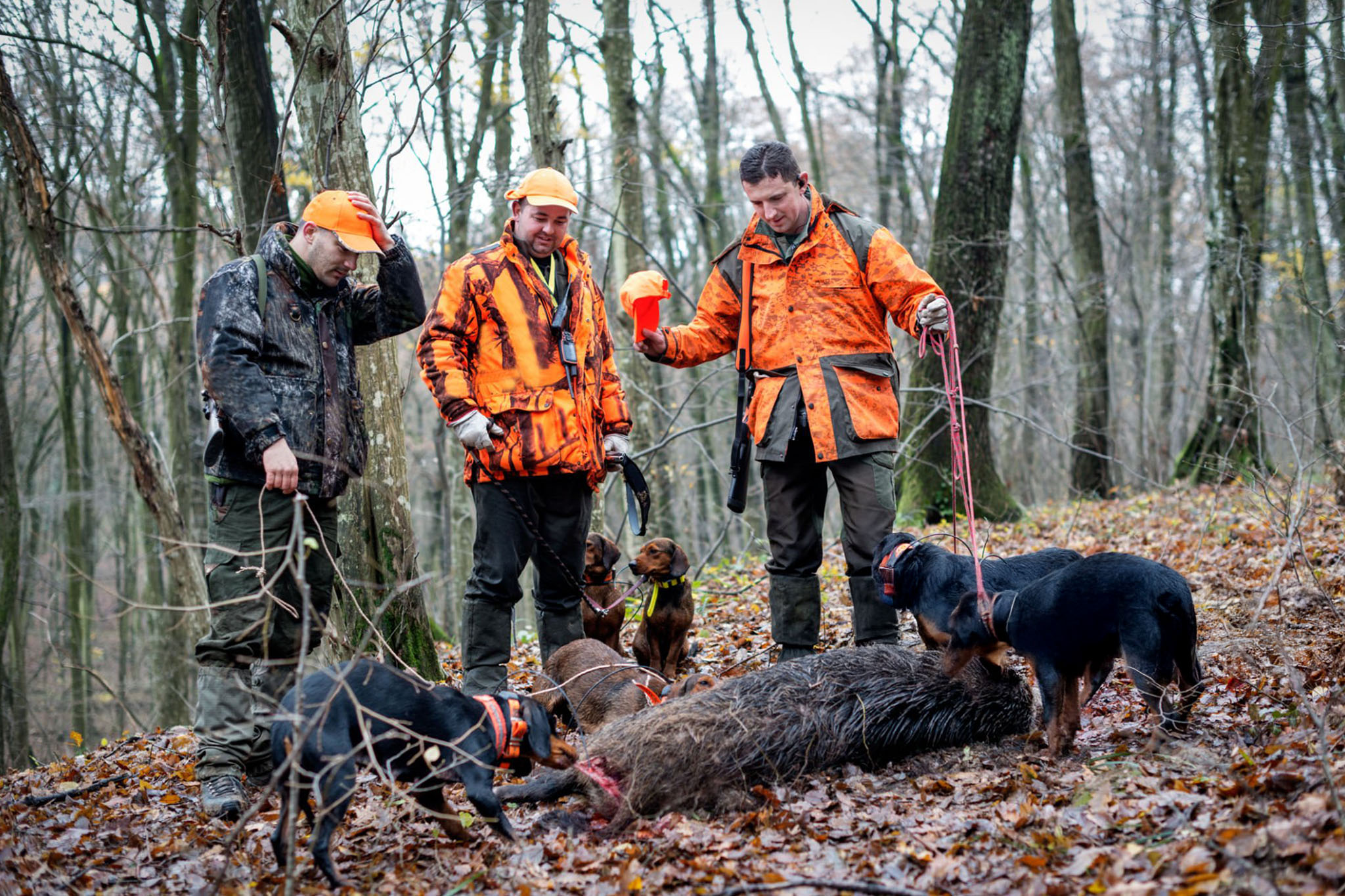
When winter hunting season hits full stride, staying warm becomes just as important as staying hidden. But there’s a fine balance every hunter must master: adding enough insulation to survive freezing temps without piling on so many layers that movement becomes clumsy, noisy, or restricted. Effective winter layering isn’t just about comfort — it affects your stealth, stamina, and shot accuracy. Here’s a deep, practical guide to building a smart layering system that keeps you warm, silent, and agile in December and beyond.
Why Proper Layering Matters in Winter Hunts
Cold weather affects hunters in more ways than most people realize. Your body burns more calories maintaining warmth, your muscles tighten when chilled, and your reaction time drops. On top of that, bulky clothing can make climbing stands, drawing a bow, or shouldering a rifle awkward and slow.
A well-designed layering system solves all of that. It:
- Traps heat more efficiently
- Wicks moisture away from your skin
- Reduces bulk while increasing warmth
- Keeps your movement quiet and unrestricted
- Helps regulate body temperature during hiking, sitting, and stalking
The key is understanding what each layer does — and choosing materials that perform.
1. The Base Layer: Moisture Management Is Everything
Your base layer is the foundation of warmth. Sweat is your enemy in cold weather, and once you dampen your clothes, your body dumps heat fast.
Best Materials
- Merino wool — the gold standard; breathable, warm when damp, naturally odor-resistant.
- High-quality synthetics — lightweight, moisture-wicking, fast-drying.
Avoid
- Cotton — it holds moisture and accelerates heat loss.
Pro Tip
Choose a midweight base layer for December hunts unless you’re hiking long distances, in which case a lightweight option prevents overheating on the move.
2. The Mid Layer: Insulation Without the Bulk
Your mid layer is your primary heat-retention barrier. This is where most hunters go wrong — too thick, too heavy, too noisy.
Go-To Insulation Options
- Grid fleece — warm, breathable, compresses well, and moves quietly.
- Synthetic puff jackets — retain heat even when wet; excellent for active hunters.
- Merino wool sweaters — warm, silent, and durable.
Minimize Bulk
Instead of one giant bulky jacket, stack two thinner insulating layers.
They trap more air, breathe better, and create a customizable system you can adapt as temps change.
3. The Outer Layer: Weather Protection Without Restriction
This layer shields you from wind, snow, sleet, and freezing rain — but it must avoid the crinkle factor that scares deer at 200 yards.
Choose Soft-Shell Over Hard-Shell for Deer Hunting
- Soft-shell jackets offer stretch, stealth, and breathability.
- Windproof membranes add warmth by cutting 90% of windchill.
Save fully waterproof hard-shells for wet, windy, or mixed-weather hunts.
Look for Features That Matter
- Quiet brushed fabric
- Underarm ventilation zips
- Room for layers without floppy excess
- Adjustable cuffs to seal heat
4. Don’t Forget Bottom Layers: Legs Need Insulation Too
Many hunters overdress on top but underdress on the bottom — a major reason cold treestand sits become miserable.
Recommended Lower Layers
- Merino or synthetic base leggings
- Fleece-lined hunting pants
- Wind-blocking outer shells in deep winter
If temps drop into the teens, a two-layer system (base + insulated pant) keeps your mobility high while maintaining warmth.
5. Smart Layering Strategy for Different Styles of Hunting
Treestand Hunters
- Need more insulation
- Prioritize windproofing
- Avoid moisture buildup during the walk in
Tip: Wear fewer layers when hiking to your stand; pack your heavy mid layer and outer shell to put on once you’re settled.
Spot-and-Stalk Hunters
- Need breathable, lightweight layers
- Silence and range of motion are critical
Tip: Aim for highly breathable mid-layers and soft-shell jackets that move with your body.
Ground Blind Hunters
- You’re more sheltered, but airflow is limited
Tip: Use a layered system that allows you to vent heat without scent escape.
6. Build Heat from the Core Outward
Hands and feet get cold because your body prioritizes vital organs. If your core isn’t insulated well enough, no amount of gloves or socks will fix freezing extremities.
Core Warmth Checklist
- Midweight or heavyweight base
- Wind-blocking mid layer
- Insulated, quiet outer shell
Once your core stays warm, your fingers and toes stay warmer without bulky gear.
7. Mobility Test: The Most Overlooked Step
Before heading into the woods, perform a mobility check:
- Can you draw your bow smoothly?
- Can you shoulder your rifle without catching fabric?
- Is your jacket silent when you twist at the waist?
- Can you climb into a stand without feeling restricted?
If a layer fails the mobility test in your living room, it will fail in the field.
8. Accessories That Maximize Warmth Without Adding Bulk
- Merino neck gaiter — seals heat loss at the collar
- Thin liner gloves + insulated outer gloves
- Beanie under a hood — traps head heat effectively
- Hand warmers — chemical warmers or rechargeable units
- Quality wool socks — regulate warmth all day
Each accessory is small, but together they add hours of comfortable hunting.
Final Thoughts: Master the System, Hunt in Any Temperature
Winter hunting demands more than grit. It requires understanding how to trap heat, manage moisture, and stay mobile — all without spooking game or exhausting yourself.
A smart, strategic layering system turns frigid December hunts into long, productive days in the woods. Stay warm, stay silent, and stay sharp — and your winter success will follow.
