
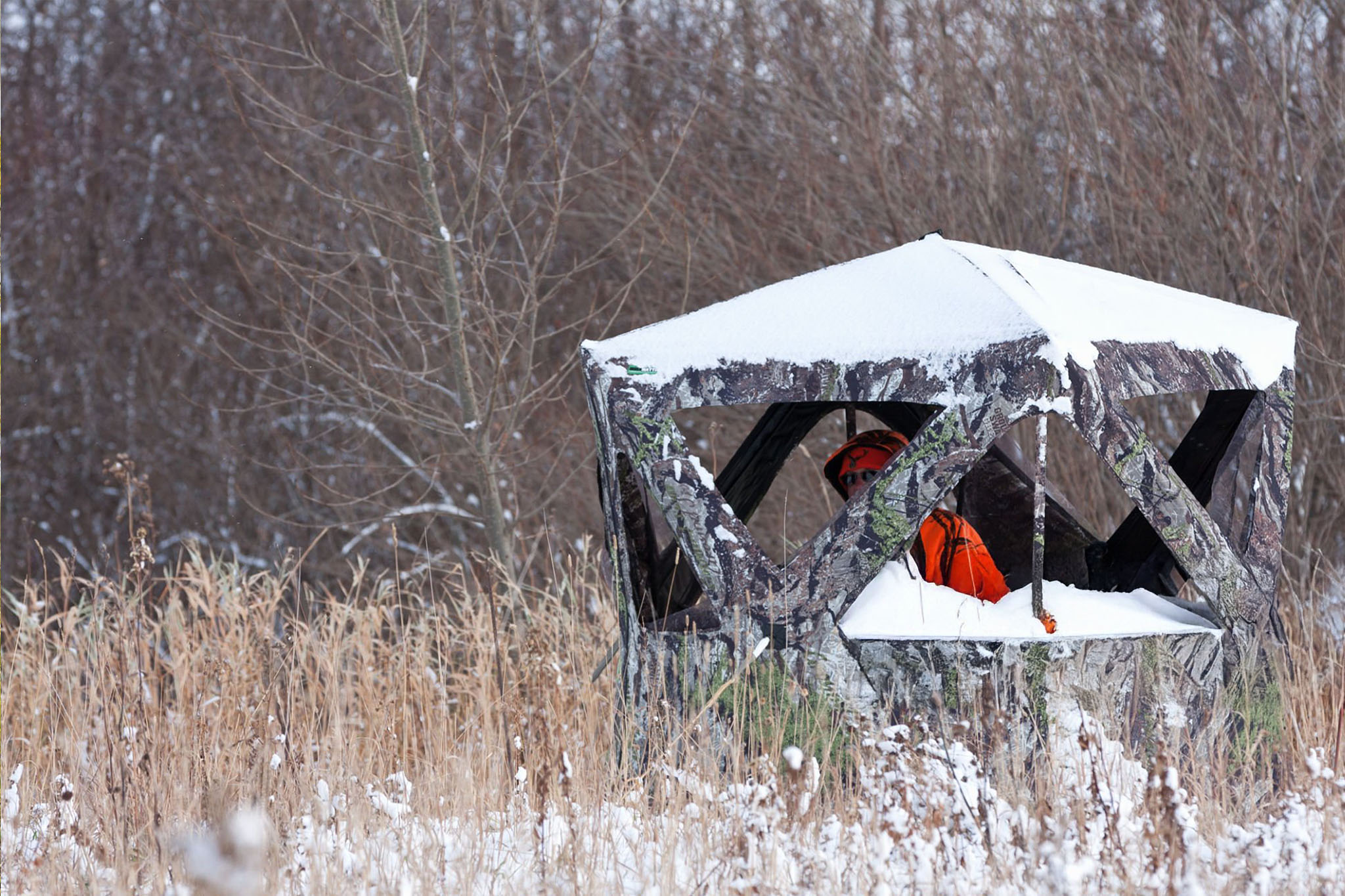
When winter tightens its grip and marshes begin to freeze, many hunters pack up early—believing the ducks have moved on and the season has gone quiet. But experienced waterfowlers know a different truth: icy conditions can create some of the most productive hunts of the year. Frozen marshes reshape bird behavior, concentrate waterfowl into predictable pockets, and reward hunters who understand how to adapt their strategy.
This guide breaks down how to read the ice, position your spread, and hunt effectively when temperatures plunge and the marsh turns into a winter battlefield.
Why Ice Changes Everything
As shallow marsh edges lock up, ducks and geese are pushed into limited open water areas:
- Natural springs and moving water stay open longer.
- Wind-blown edges prevent ice formation.
- Channels and deeper ponds become high-traffic zones.
The reduced amount of open water means birds concentrate heavily—if you can locate their safe havens.
Ice also affects behavior:
- Ducks become rest-focused, burning energy fast in cold conditions.
- They prefer low-competition feeding areas.
- Their flight windows shorten, with activity peaking during warmest daylight hours.
Understanding these patterns gives you the advantage.
Finding Open Water When the Marsh Freezes
Locating open pockets is the single most important tactic in icy marsh hunting.
1. Look for Moving Water
Places where the water circulates—even slightly—freeze last:
- Inlets and outlets
- Narrow feeder creeks
- Wind-shifted channels
- Under-cut river bends
Use binoculars at sunrise to spot steam rising from warmer, unfrozen water.
2. Scout for Spring Holes
Natural springs create small open circles that ducks rely on during extreme cold. These spots attract mallards, black ducks, and even late-season pintails.
3. Watch Bird Patterns at First Light
Ducks often leave roosts to find the few open feeding pockets. If you see tight, funnel-shaped flight paths, you’re likely close to the only open water in the area.
Breaking Ice the Smart Way
Sometimes you need to make your own open-water window.
❄️ 1. Don’t Over-Break
Keep the opening natural and irregular, not a perfect circle. Birds distrust geometric shapes—they look unnatural.
❄️ 2. Remove All Ice Chunks
Floating shards ruin realism and reflect sunlight unnaturally. Push them under thicker sheets or stack them behind you.
❄️ 3. Keep It Fresh
If temps are double-digit below freezing:
- Re-break every 45 minutes
- Use a long pole instead of wading (for stealth and safety)
- Avoid creating waves that reseal the water
Decoy Strategies for Frozen Marshes
Birds behave differently in the cold, and your spread should reflect that.
1. Tight, Resting Spreads
In extreme cold, ducks conserve energy and huddle up.
Set:
- 6–12 full-body or sleeper decoys on the ice
- 8–15 floaters in the water pocket
- 1–2 sentry decoys to signal alertness without panic
This creates a believable “safe rest zone.”
2. Use Motion Carefully
Ice and cold air amplify unnatural motion. Skip spinning wings and use:
- Subtle jerk cords
- Slow bobbing decoys
- Natural ripples from small water openings
If you have a bubbler or ice eater, it can transform your hunt—but keep the movement gentle.
3. Add Ice Rims
Place a few decoys right at the ice edge, half touching the shelf. It’s incredibly realistic and mimics how ducks position themselves for warmth.
Blind Placement and Concealment
Winter marshes mean fewer cattails and dead vegetation. Concealment matters more than ever.
1. Hunt the Shadow Line
On sunny days, the shadow side of tall reeds or trees hides movement better than open light.
2. Use Snow-Covered Natural Blinds
Blend into:
- Drifted snow
- Frosted grass
- Dead reeds
If your blind sticks out as a warm brown blob against white, ducks will flare every time.
3. Keep Your Profile Low
Avoid standing or peeking. In icy marshes, ducks fly lower and see movement easily.
Calling in Frozen Conditions
Late-season birds are pressured and skittish. Avoid aggressive calling.
Use these instead:
✔ Soft quacks
✔ Occasional feeding murmurs
✔ Single-hen greeting calls
✔ Minimal chatter
Let realism—not volume—do the work.
If ducks circle wide, resist the urge to blow harder. They’re sizing up your spread for safety, not testing your calling skills.
Safety First: Icy Marsh Hazards
Frozen environments demand cautious movement and planning.
- Test ice thickness before stepping off the trail.
- Wear ice picks around your neck in case you fall through.
- Keep gear in waterproof bags.
- Avoid deep-mud areas hidden under snow crust.
- Always let someone know your location and return time.
Cold water kills fast—respect it.
Final Thoughts: Embrace the Freeze
Hunting waterfowl in icy conditions isn’t easy, but it offers some of the most rewarding days in the marsh. When others stay home, the birds concentrate, the pressure drops, and the opportunities spike.
With the right approach—scouting open water, designing natural spreads, mastering subtle motion, and staying safe—you can turn frozen conditions into your biggest late-season advantage.
The freeze doesn’t end the hunt.
It reveals where the real action is.
