
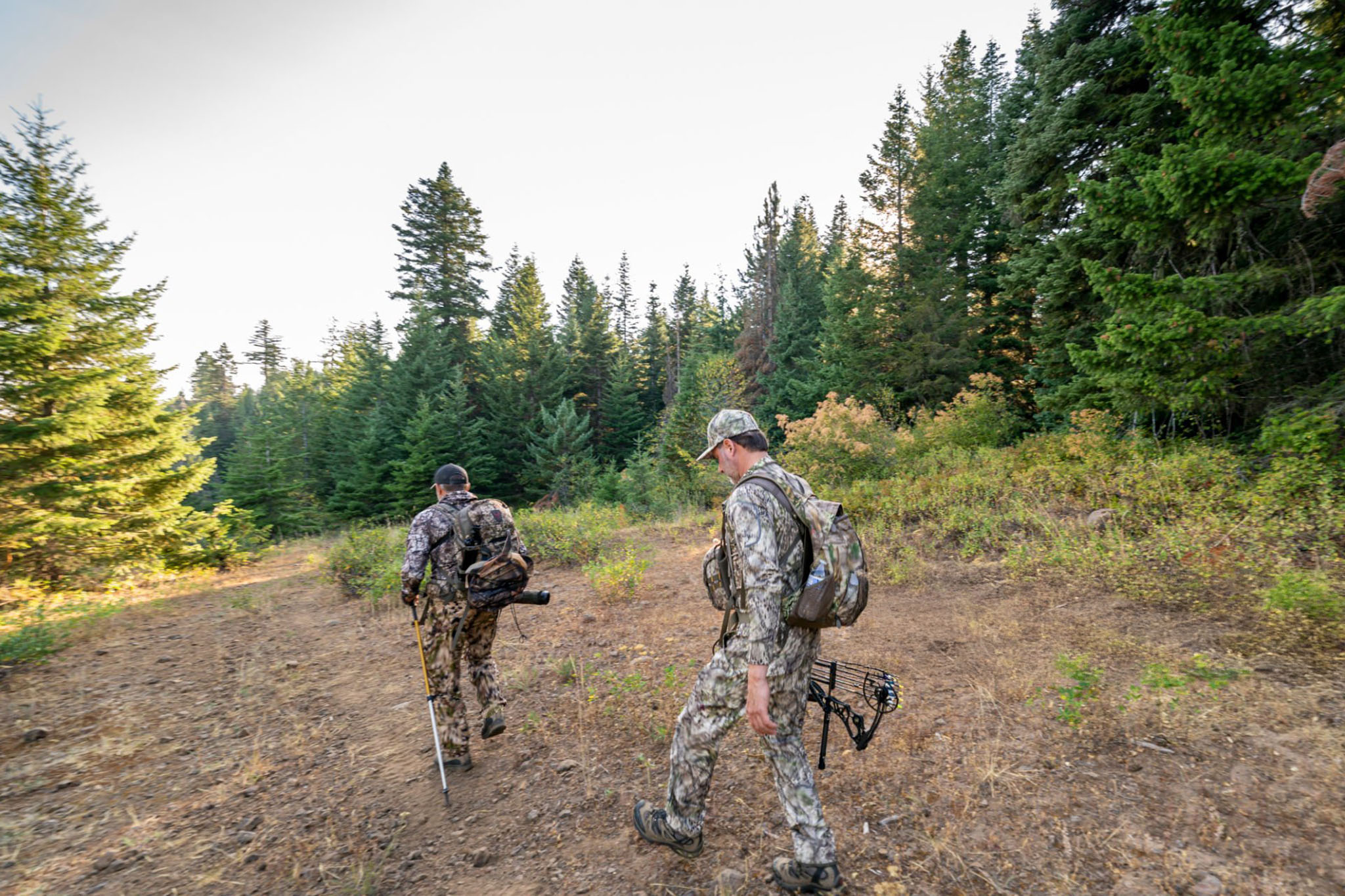
Late fall and early winter bring some of the most challenging ground conditions a hunter can face. When the forest floor turns to a mosaic of dried oak leaves, frozen cattails, brittle maple litter, and frost-stiff soil, every step feels like an alarm bell. Deer hear it. Turkeys hear it. Even squirrels stop and stare.
But quiet movement is possible, even when the woods sound like a bowl of cornflakes under every boot step. Mastering silence on crunchy ground is one of those different-level hunting skills—right up there with reading thermals or interpreting fresh tracks. And when the pressure is on in November and December, this skill can be the difference between seeing a buck at 60 yards… or watching a white flag bounce away through the timber.
This guide dives deep into strategies, movement techniques, gear choices, and terrain adjustments that help you stay silent when the ground refuses to cooperate.
Why Crunchy Conditions Are So Difficult
During late fall, several environmental factors combine to create “loud woods”:
1. Low Humidity
Crisp, dry air pulls moisture out of leaves, making them brittle and loud.
2. Cold Mornings
Frozen leaf edges crack at the slightest pressure.
3. Thick Leaf Litter
Hardwoods—especially oak and beech—shed large, stiff leaves that don’t break down quickly.
4. Inconsistent Ground Composition
Some areas hold moisture and stay soft; others dry out completely, creating a mix of silent and noisy patches that deer navigate more naturally than humans.
Deer know exactly which paths let them move quietly. Hunters have to earn that knowledge.
Key Principles of Moving Quietly When Leaves Are Loud
You won’t eliminate all sound—but you can reduce it to levels deer interpret as “normal woods noise.”
1. Slow Down More Than You Think You Should
Most hunters move five times too fast in crunchy conditions.
The goal is not to walk quietly… it’s to walk less.
Take one step, freeze.
Wait 10–30 seconds.
Let the woods reset.
This mimics natural wildlife movement and prevents sound from stacking on itself.
2. Use the Deer’s Own Noise Against Them
During late season, deer themselves sound louder on dry leaves.
So your noise isn’t necessarily unnatural—just unfamiliar in rhythm.
Match that rhythm:
- Short bursts
- Pause
- Slow rolling steps
- Long pauses again
Hunters who move in irregular patterns sound “human.”
Hunters who move like animals blend in.
3. Only Step on Stable Surfaces
Avoid soft, brittle leaf edges. Instead step on:
- Exposed dirt
- Logs
- Rocks
- Roots
- Moss patches
- Bare grass
- Melted snow lines
These spots absorb sound instead of amplifying it.
Terrain Tactics for Crunchy Conditions
Sometimes the best “quiet strategy” is simply choosing a quiet route.
1. Hunt Natural Quiet Zones
Even in the crunchiest woods, some areas stay muted:
- North-facing slopes (retain moisture)
- Thick cedar or pine patches (acidic needles = quieter floor)
- Drainage ditches
- Game trails packed down by hoof traffic
- Low swales with lingering humidity
Use these corridors to approach your stand or stalk your deer.
2. Follow Deer Tracks or Trails
Deer beat down the leaf litter on their regular routes, often revealing quieter dirt beneath.
Walking directly in their track line drastically reduces sound.
3. Use Water Whenever Possible
If your route takes you:
- Beside a stream
- Through a shallow creek
- Across a muddy drainage
Use it.
Water muffles sound better than any other terrain in late November.
4. Hunt Edges Instead of Deep Timber
Crunchy timber amplifies every noise. But edges—swamp lines, CRP borders, food plot edges—often have thinner leaf cover.
These areas also see high deer traffic late season.
Footwork Techniques for Silent Movement
How you step matters just as much as where you step.
1. Toe-In, Heel-Down
Roll your foot from toe to heel to absorb pressure gradually instead of stomping flat.
2. “Leaf Squeezing,” Not Crushing
Gently compress leaves before applying full weight.
If they crack, back off and move your foot to a better spot.
3. Micro-Steps
Cut your normal stride length in half.
Smaller steps = smaller noise bursts.
4. Weight Shift Testing
Before committing to a step, shift your weight forward lightly.
If it cracks loudly—abort.
In crunchy woods, every step should be a decision.
When to Stop Moving Completely
Silence isn’t always about movement—sometimes it’s about knowing when movement is counterproductive.
1. During First Light
Crunchy mornings amplify everything.
If you must move early, do it in darkness or wait until the sun softens leaf edges.
2. When the Temperature Rises Above Freezing
Ten degrees of warming can soften leaves dramatically.
A brutal morning can turn huntable by 10:30 a.m.
3. When Deer Are Close
If you hear soft footfalls, don’t move at all.
Deer will detect even minor noise during these moments.
Silence sometimes means staying frozen for 15–20 minutes—but it pays off.
Ground Hunting vs. Treestand Hunting in Crunchy Weather
Treestand Advantages
- Minimal ground noise
- Freezes you in a silent, elevated position
- Deer ignore your approach if done early enough
- Perfect for late-season food sources
Ground Hunting Advantages
- Can dynamically adjust to deer patterns
- Ideal for tracking fresh sign
- Allows you to hunt wind shifts faster
Best Strategy: Hybrid Approach
Move carefully to a stand using terrain-based quiet zones, or ground hunt while adjusting position every few hours—not constantly.
Gear Choices That Reduce Noise
1. Soft-Soled Boots
Rubber or flexible hunting boots cushion steps far better than stiff leather soles.
2. Cold-Weather Gaiters
They keep leaves from catching on your pant fabric—one of the sneakiest sources of noise.
3. Wool Clothing
Wool doesn’t “swish” like synthetics and absorbs vibrations better.
4. Hand Warmers to Reduce Movement
The quieter your hands stay, the less you fidget.
Less fidgeting = quieter overall presence.
Smart Planning: Don’t Fight the Conditions—Adapt to Them
Silent hunting in crunchy leaves isn’t about eliminating noise entirely—it’s about eliminating unnatural noise.
That means:
- Moving slowly
- Choosing smart routes
- Avoiding unnecessary ground contact
- Mimicking natural wildlife rhythm
- Using terrain and timing to your advantage
Mastering silence when the ground refuses to cooperate is one of the final steps toward becoming a consistently successful late-season hunter.
Crunchy leaves aren’t an obstacle—they’re a test of woodsmanship. And hunters who learn to move quietly now will carry that skill into every season ahead.
