
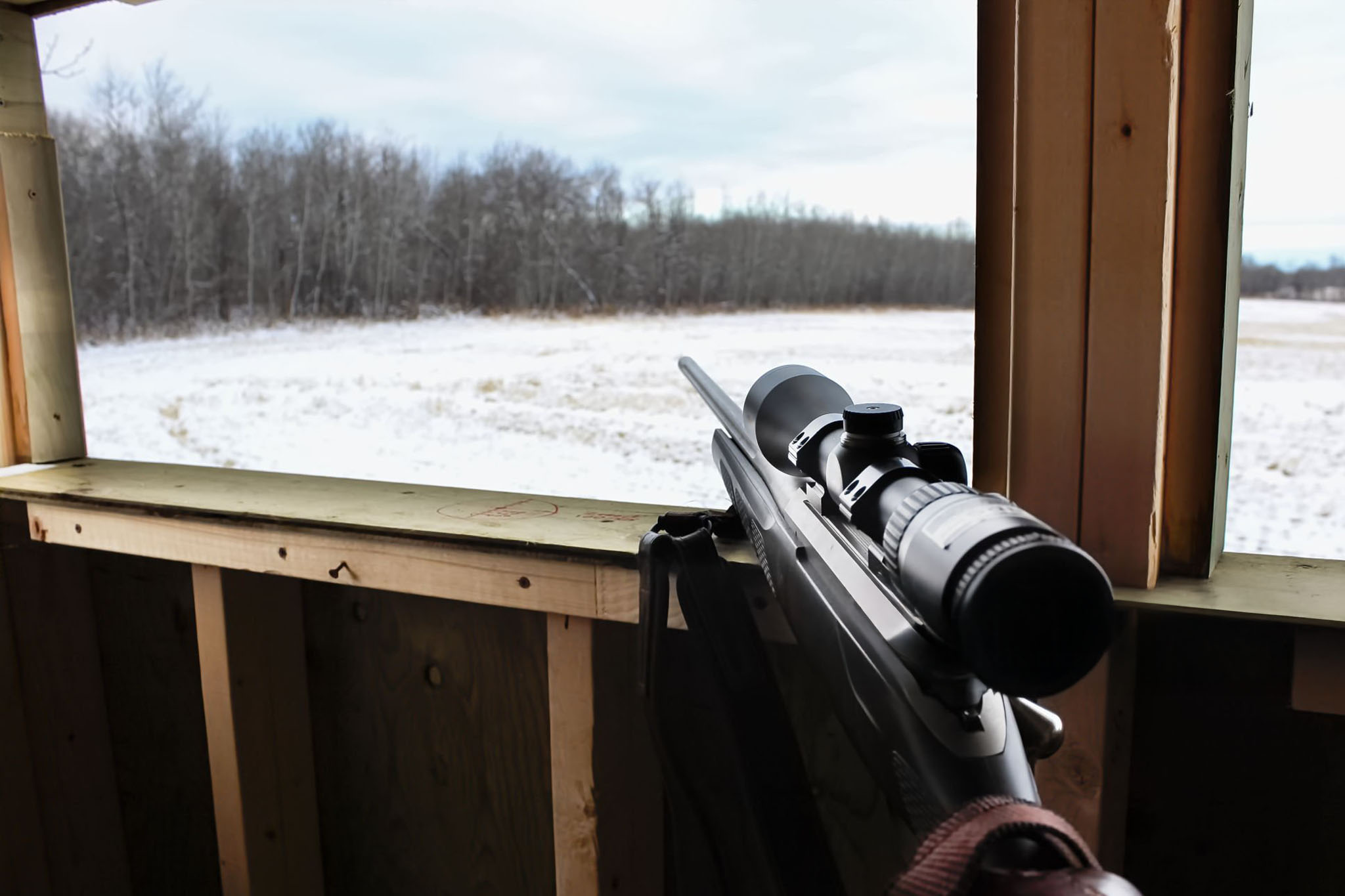
When the woods grow quiet, the temperatures drop, and most hunters pack away their rifles, a different kind of opportunity emerges—snow tracking season. In late December and January, fresh snow doesn’t just blanket the landscape; it becomes a living notebook full of clues written by deer only minutes or hours earlier.
For hunters willing to read that notebook, late-season success becomes far more attainable. Snow tracking is part woodsmanship, part patience, and part detective work—but once you learn how to decode fresh sign, a deer’s entire daily routine starts to unfold right in front of you.
This guide breaks down everything you need to know about reading tracks, identifying fresh movement, interpreting behavior, and turning sign into real opportunities during the toughest stretch of the season.
Why Snow Tracking Works So Well in Late Season
Late-season deer behave differently than they did in October or November:
1. Limited Food Sources
Snow cover concentrates deer around predictable food:
• Cut corn
• Standing beans
• Oak ridges with leftover acorns
• Apple drops
• Green food plots
Tracks in these areas often point you directly toward feeding patterns.
2. Reduced Bedding Options
With leaves gone and vegetation flattened, bedding becomes far more limited—and easier to pinpoint through travel sign.
3. Easier Patterning After Hunting Pressure
Once the rut ends, deer settle into repeatable routes. Snow helps reveal these patterns clearly and consistently.
4. Fresh Sign = Fresh Deer
Snow captures movement instantly. If it snowed overnight, you’re basically hunting on a blank slate.
Understanding Deer Tracks: A Quick Breakdown
Before reading patterns or predicting behavior, you must understand exactly what you’re looking at.
1. Buck vs. Doe Tracks
In general:
Buck Tracks
✔ Wider, heavier, rounder
✔ Toes often splay outward slightly
✔ Stride is longer and more deliberate
✔ Tracks sink deeper in soft snow
Doe Tracks
✔ Narrower, more heart-shaped
✔ More delicate stride
✔ Less toe splay
However, size alone isn’t reliable. A large doe can leave a similar track to a small buck. What matters most is the pattern, not the single print.
How to Judge Track Freshness
This skill separates casual trackers from successful late-season hunters.
1. Crisp Edges = Recent
Fresh tracks have sharp walls and defined toe tips.
Rounded or slumped edges indicate older movement.
2. Snow Crystals Tell the Story
New tracks still show individual snow crystals around the edges.
Older tracks look melted, glazed, or wind-blown.
3. Temperature Clues
• Below freezing → Tracks preserve longer
• Above freezing → Edges soften within hours
• Windy → Snow blows into prints quickly
If you see a track with zero drift inside, and the wind has been blowing consistently?
It’s very fresh.
4. Look for Associated Signs
Fresh urine or droppings near tracks help confirm timing:
- Urine bright yellow → Recently deposited
- Droppings warm or soft → Minutes old
- Frozen solid pellets → Several hours old
Interpreting Behavior Through Tracks
Late-season deer rarely wander aimlessly. Tracks reveal the story of where they’re going and why.
1. Feeding Tracks
Feeding tracks look scattered and meandering, with plenty of stop-starts.
You might see:
- Pawed snow exposing corn
- Hoof marks around acorns
- Nipped twigs
- Concentrated droppings nearby
If you find fresh feeding sign at dawn?
You’re close to where deer spent the night.
2. Travel Tracks
Straight lines with consistent stride = movement between bedding and food.
Bucks especially walk “tight lines” in winter, conserving energy.
Follow these tracks back toward cover for bedding areas, or forward toward food to set up your next hunt.
3. Buck-Specific Patterns
Even after the rut, bucks maintain solitary, purposeful travel routes:
- Larger strides
- Tracks that break off from the main deer trails
- Occasional rubs or old scrapes nearby
A lone, deep track line in late December is often your ticket to a mature buck.
4. Bounding Tracks
These indicate spooked deer:
- Tracks spaced far apart
- Deep launch and landing marks
- Snow scattered behind the print
If bounding tracks suddenly slow to a walk again, note that spot—it’s where the deer felt comfortable again.
Following Tracks Without Pushing Deer Away
One of the biggest mistakes hunters make is pushing too aggressively.
1. Stay Downwind
Trackers should observe the same scent discipline as stand hunters.
If the wind is wrong, you’ll bump the deer long before you see it.
2. Move Quietly
Crunchy snow can give you away instantly.
Step into existing tracks, move on soft snow edges, or wait until temps rise slightly.
3. Don’t Follow Tracks All the Way to Bedding
Instead, circle to avoid blowing deer out.
Position yourself 100–150 yards downwind of the suspected bedding area.
4. Use Tracks to Predict, Not Chase
Tracking is about patterning deer, not sprinting behind them.
Best Places to Track Deer After a Fresh Snowfall
1. South-Facing Slopes
These sunny hillsides attract deer seeking warmth.
2. Conifers and Thermal Cover
Pines, hemlocks, and cedar thickets offer wind protection.
Tracks leading into these pockets often belong to bedding deer.
3. Field Edges
Fresh snow on ag fields is one of the best canvases for deciphering overnight feeding.
4. Old Logging Roads and Ridge Trails
Deer love taking the path of least resistance.
Follow these routes to natural funnels and pinch points.
Late-Season Tracking Strategy: A Simple Workflow
Here’s a proven step-by-step approach:
Step 1: Start at First Light
Use overnight tracks as your “map” for the morning.
Step 2: Identify Freshest Sign
Ignore older trails. Follow the crispest, cleanest prints.
Step 3: Determine Direction of Travel
Look for:
- Hoof drag
- Cloven toe orientation
- Where snow is pushed forward
Step 4: Slow Down as You Near Cover
The closer you get to bedding, the more cautious deer become.
Step 5: Set Up an Ambush
Choose:
- Crosswinds
- Slight elevation
- Good visibility into the bedding or exit trail
You rarely want to follow tracks right into the deer—your goal is to intercept them.
Mistakes Many Hunters Make (And How to Avoid Them)
❌ Following too closely and bumping deer
✔ Stay patient and anticipate stopping zones.
❌ Judging freshness by size alone
✔ Always check snow texture and wind effects.
❌ Tracking in the wrong wind
✔ Use the wind to your advantage, not theirs.
❌ Ignoring secondary sign
✔ Scat, bedding marks, chewed browse—all add context to movement.
Final Thoughts: Snow Makes You a Better Hunter
Late-season deer hunting can feel intimidating, but snow gives you a rare advantage: real-time insight into movement, behavior, and habitat use. When you learn how to read tracks with confidence, you stop guessing and start understanding.
Every track tells a story.
Every stride reveals intent.
Every trail brings you closer to a deer that most hunters never even see in December.
Snow tracking isn’t just a skill—it’s a doorway into the true rhythms of late-season deer.
