
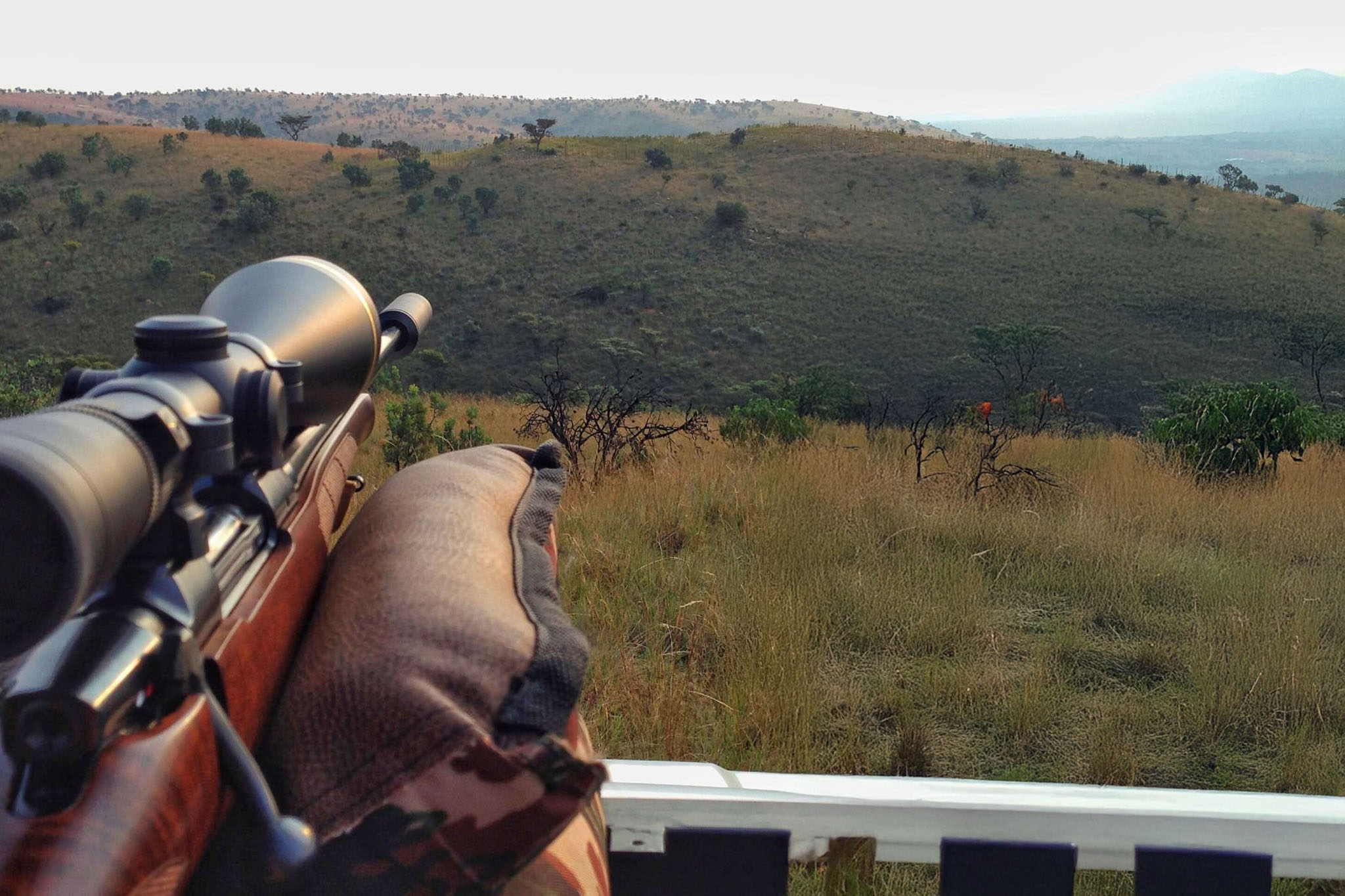
December hunting comes with a unique kind of beauty—big skies, cold air, and landscapes stripped down to their bare bones. But with that openness comes one of the biggest challenges a hunter faces this time of year: wind drift.
Whether you’re glassing mule deer on a sage flat, calling coyotes across cut corn, or still-hunting whitetails along exposed ridgelines, wind can turn a perfect shot into a clean miss. Mastering wind drift isn’t just a marksmanship skill—it’s a December necessity.
This guide breaks down the fundamentals of reading wind, understanding bullet behavior, and making confident long-range shots when the late-season wind refuses to cooperate.
Why Wind Matters More in December
December landscapes create amplified wind conditions:
1. Fewer Windbreaks
Leaves are gone. Grasses are flattened. Crops are cut.
The natural cover that used to disrupt wind flow has vanished.
2. Colder, Denser Air
Winter air increases drag on your bullet, especially at longer distances.
This makes drift more severe than it was in early fall.
3. Funnel Effects Along Terrain
Bare ridges, frozen creek bottoms, and open basins accelerate wind in ways that surprise even veteran hunters.
When you combine these factors, a 10 mph crosswind you barely notice on your face can push a bullet several inches—or several feet—off target.
Understanding Wind Drift: The Basics Every Hunter Needs
Before you can correct for wind, you need a working knowledge of how wind affects your bullet’s flight.
1. Wind Direction
Wind is named by where it comes from.
A “10 mph north wind” blows from the north to the south.
For shooting purposes, the wind that matters most is the component that blows perpendicular to your bullet path.
2. Wind Speed
Estimating wind speed accurately is half the battle:
- 3–5 mph → Light leaf movement
- 8–12 mph → Steady branch sway
- 12–20 mph → Difficult to keep your shooting sticks steady
- 20+ mph → Shots beyond 200 yards become unreliable
December winds often jump in speed unexpectedly—so always re-evaluate before shooting.
3. Distance Magnifies Errors
Wind drift compounds the farther a bullet travels.
A 10 mph crosswind may drift your bullet:
- 3–4 inches at 200 yards
- 8–10 inches at 300 yards
- 18–20 inches at 400 yards
This is why many December hunters choose to close the distance rather than take risky shots across open winter country.
How to Read Wind in Open Winter Terrain
December may look empty on the surface, but there are a dozen subtle indicators hunters can use to read wind accurately.
1. Watch Grass, Snow Dust, and Sage Tops
Even tiny movements can reveal direction shifts—especially at long ranges.
2. Pay More Attention to Downrange Wind
The wind at your shooting position might whisper, while the wind near your target howls.
If the target area is:
- a bowl → expect swirling winds
- a ridge → wind is usually stronger
- a flat → steadier, more predictable wind
3. Look for Mirage
On cold, clear days, mirage still forms low to the ground.
“Slanted” mirage = crosswind
“Boiling” mirage = little or no crosswind
4. Throw Powdered Snow or Dry Dirt
Old-school trick, still incredibly effective.
Practical Ways to Compensate for Wind Drift
Even without a ballistic calculator, there are reliable methods to correct your shot.
1. Hold Into the Wind
If the wind is coming from your left, aim left of your target.
If it’s from your right, aim right.
The harder the wind blows, the further into it you must hold.
2. Dial Correction (If Your Scope Allows)
Most modern scopes allow:
- MOA adjustments
- MIL adjustments
Dialing reduces human error during high-pressure shots.
3. Use the Wind Clock System
A simple way to think about wind value:
- Full-value wind = 3, 9 o’clock
- Half-value wind = 1–2 or 10–11 o’clock
- No-value wind = 6 or 12 o’clock
Full-value winds have maximum drift.
4. Use Natural Rest Positions
Winter hunts often mean bulky clothing and frozen fingers.
Shoot from:
- Bipods
- Tripods
- Pack rest
- Prone (if the snow allows)
Stability reduces the impact of wind on your body and your rifle.
Choosing Ammunition for Windy Conditions
Some bullets handle wind dramatically better than others.
Look for:
✔ High Ballistic Coefficient (BC)
✔ Heavier for caliber
✔ Boat-tail design
✔ Monolithic or bonded options for penetration
A 140gr 6.5 Creedmoor will buck December wind far better than a lightweight .243 round, for example.
Real-World December Shooting Scenarios
Scenario 1: Mule Deer on a Sage Flat
Distance: 320 yards
Wind: 12 mph full-value left to right
Correction: ~10 inches of drift → hold roughly one deer-shoulder into the wind.
Scenario 2: Coyote Across Cut Corn
Distance: 180 yards
Wind: 8 mph quartering
Correction: Half-value → hold slightly into the wind—about 2–3 inches.
Scenario 3: Whitetail on a Frosted Ridge
Distance: 260 yards
Wind: Variable
Correction: Wait for a lull, recheck mirage, and only take the shot when wind steadies.
When to Say “No Shot”
Good hunters know when not to squeeze the trigger.
Avoid long shots when:
- The wind is gusting unpredictably
- You cannot see grass or snow movement near the animal
- Mirage is inconsistent
- Your shooting position feels unstable
Ethical shots always beat risky December guesswork.
Final Thoughts: December Wins Belong to Hunters Who Respect the Wind
Mastering wind drift doesn’t happen overnight.
But in winter’s wide-open country, where every gust matters and every shot counts, understanding wind is one of the most valuable skills a late-season hunter can develop.
Whether you’re punching your tag on a December buck or knocking down smart coyotes that thrive in winter’s emptiness, remember:
The hunters who read the wind are the hunters who bring home meat.
