
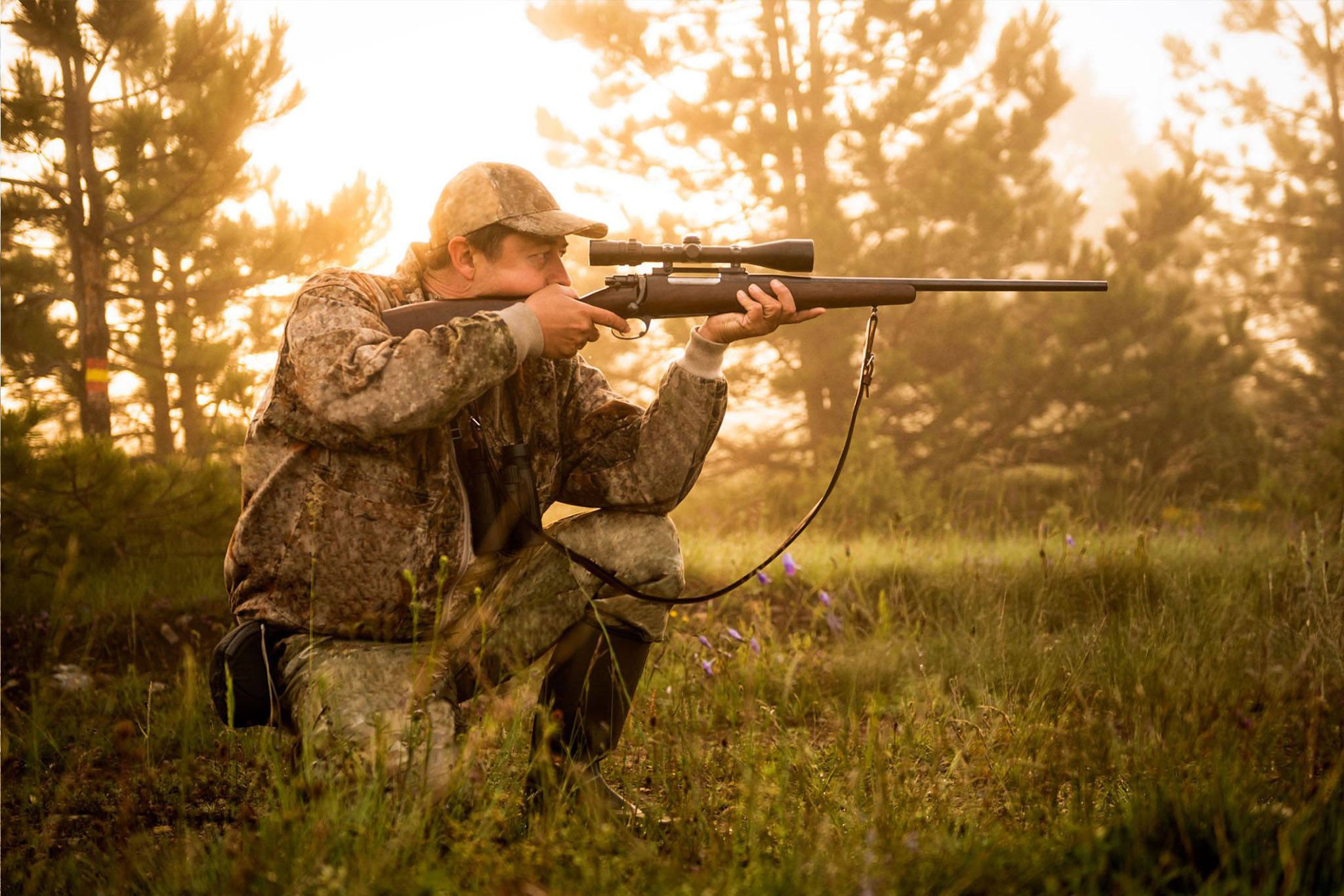
When winter settles in and the days get shorter, the rules of the hunt change. Wildlife moves differently, sound carries farther, and—most importantly for the savvy hunter—the sun hangs low in the sky. This low-angle light creates long shadows, deep contrasts, and shifting pockets of cover that can either expose you completely or hide you better than any camouflage you own.
Understanding how to use the winter sun to your advantage is one of the most overlooked late-season skills. Yet it can mean the difference between watching a buck walk away unharmed… or punching a tag when most hunters have already given up. Welcome to shadow-line hunting, the technique built around using the winter sun’s natural geometry to stay out of sight and move like a ghost.
Why the Low Winter Sun Changes Everything
During late fall and early winter, the sun stays low from sunrise to sunset. Instead of shining straight down like in summer, it cuts across the landscape at a shallow angle. This changes three critical elements:
1. Shadows become longer and darker
Even small ridges, brush piles, and cedar patches create shadows big enough to hide a full-grown hunter.
2. Wildlife vision becomes more sensitive
Game animals like deer, coyotes, and turkeys avoid looking directly into the glare. They naturally keep their backs to the sun to watch the shaded areas in front of them.
3. Your movement becomes easier to conceal
If you stay in the shadow lines—those shifting areas where light and dark meet—you can move with far less risk of being silhouetted or exposed.
How Animals Use Low Sun to Their Advantage (And How You Can Counter It)
Whitetails, predators, and even late-season turkeys instinctively orient themselves based on the sun. In winter:
- Deer bed facing downwind but often with the sun behind them.
- Coyotes travel the shaded sides of ridges to stay hidden.
- Ducks and geese approach landing areas with the sun at their backs.
- Turkeys feed in areas where shadows help them detect movement.
Recognizing these patterns allows you to approach, set up, or ambush animals while staying hidden.
Shadow-Line Strategy #1: Keep the Sun at Your Back
This is the golden rule of winter stalking.
With the sun behind you, your outline blends into darkness while the animal’s vision faces toward the bright horizon. This also helps in two ways:
- Your movement is much harder to pick up.
- Animals are more likely to squint or look away, giving you milliseconds of advantage.
This makes shadow-line hunting especially powerful during the first and last two hours of daylight.
Shadow-Line Strategy #2: Move Within the Edges, Not the Deep Dark
The biggest mistake hunters make:
They hide in the darkest shadows, thinking more darkness equals more concealment.
But animals pay the most attention to contrast, not darkness.
The best concealment is in the transition zone—where light meets dark. Your body blends with the mixed tones, making your silhouette nearly impossible to isolate.
This zone also allows you to move quietly:
- Leaves stay softer in shaded areas.
- Snow is less reflective.
- Wind tends to move more gently in shadowed pockets.
Shadow-Line Strategy #3: Let Terrain Create Natural Shadow Corridors
Winter landscapes offer ready-made “highways” of concealment:
- North-facing slopes stay shaded all day.
- Fence lines create narrow shade strips even during midday sun.
- Tree rows cast long, predictable shadows.
- Cut cornfields with taller stubble form miniature shadow grids.
- Hedgerows create dark pockets perfect for slow approaches.
When moving between bedding, feeding, or calling spots, linking these shadow corridors together is one of the safest ways to travel without detection.
Shadow-Line Strategy #4: Time Your Movement With Moving Shadows
Shadows shift fast during December and January. In the morning, shadows stretch westward; in the afternoon, they creep long toward the east.
If you watch the landscape for five minutes, you’ll see your concealment options expand or shrink in real-time.
Use this to your advantage:
- Move only when a growing shadow reaches a new piece of cover.
- Reposition when the sun dips behind a cloud.
- Stop instantly when the sun breaks through again.
Your movement becomes more natural—and almost invisible—when synchronized with the environment.
Shadow-Line Strategy #5: Avoid Becoming Backlit at All Costs
Being backlit means the sun is behind you while you stand in an open, bright area. This makes your silhouette explode with contrast—animals can spot you instantly.
Common backlighting mistakes include:
- Walking ridgelines without checking the sun angle
- Standing upright in open fields
- Sitting in treestands where the sky forms a bright backdrop
- Crossing roads or clearings with the sun at your back
The fix is simple:
Always check what’s behind you before you stop or shoot.
Shadow-Line Strategy #6: Perfecting the Silent Step in Shadow Zones
Shadows often form in areas where moisture lingers, keeping leaves softer and quieter. Use this to your advantage by:
- Staying on shaded dirt instead of frost-covered ground
- Walking along tree-shadow lines where wind already moves vegetation
- Glassing from shaded spots where animals aren’t scanning for danger
Your noise blends with the natural hush of the shaded woods.
Best Conditions for Shadow-Line Hunting
This technique shines when:
- The sun is low and bright with clear skies
- Snow has partially melted, creating multi-toned ground cover
- Deciduous trees have dropped leaves, increasing contrast
- Wildlife is pressured and extra alert
- Winds are calm, making sound and movement more noticeable
Late-season deer, coyotes, and ducks all behave more predictably under these light conditions.
Perfect Gear for Shadow-Line Winter Hunts
While shadow-line hunting relies on light and terrain, gear helps maximize effectiveness:
- Matte-finish optics reduce glare
- Neutral-toned clothing blends well in mixed light
- Face coverings eliminate reflective skin patches
- Soft-soled boots help move quietly in shaded frost
- Hand muffs minimize unnecessary movement
Notably, dark camo isn’t always better—medium tones blend best in transitional shadow.
Final Thoughts: Become a Winter Ghost
The best hunters don’t just blend into the landscape—they understand how the landscape changes hour by hour. When you master shadow-line hunting, you’re no longer fighting the light; you’re using it as a tool.
With the sun low, the woods quiet, and pressure high, every advantage counts. Move within the shifting shadows, stay behind the glare, and let winter’s light work for you.
You won’t just see more game—you’ll become practically invisible.
