
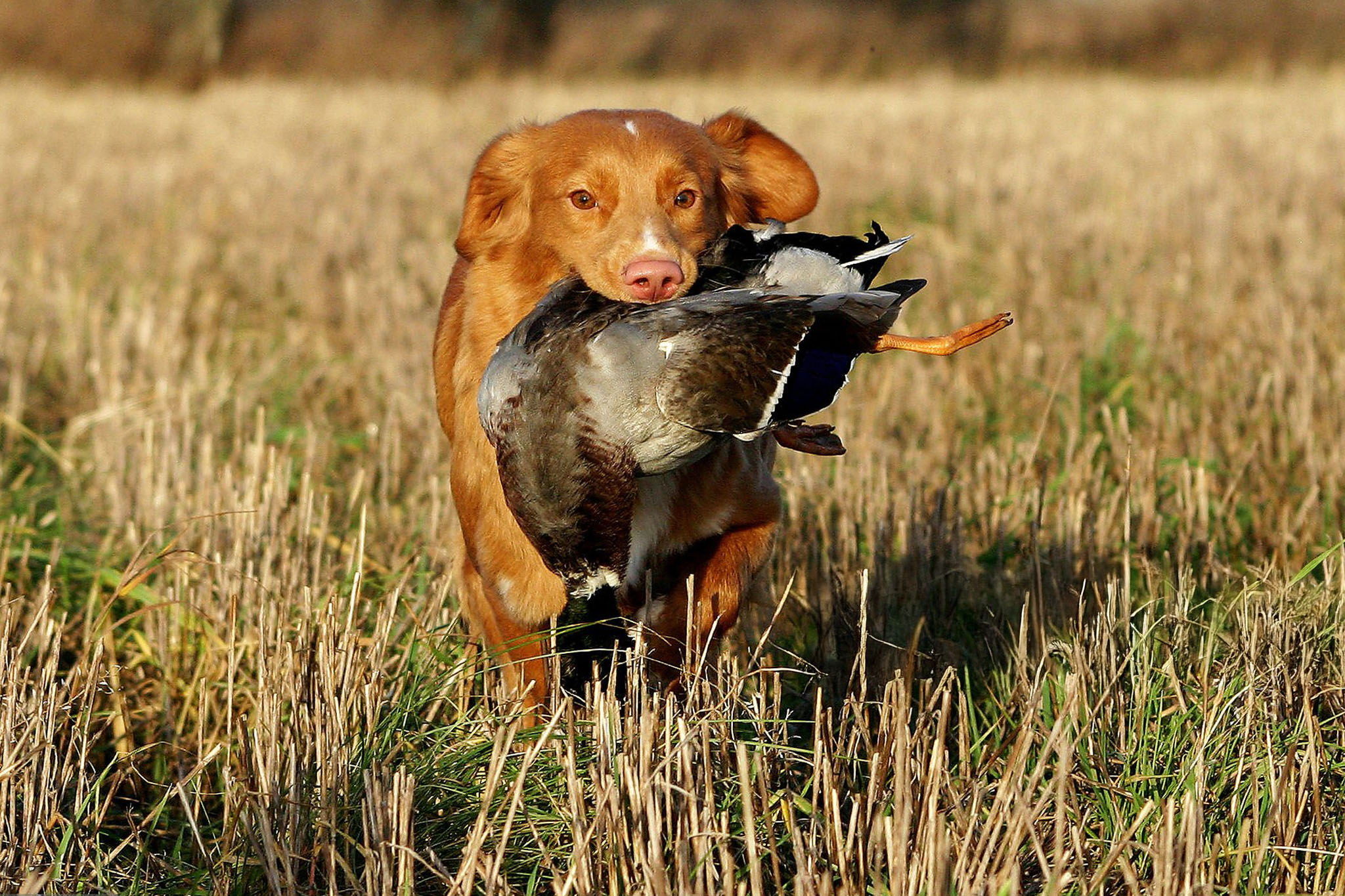
Duck hunters have long understood that success in the blind often depends on one thing: timing. You can have the perfect decoy spread, flawless concealment, and a world-class retriever—but if you’re not there when the birds are moving, you might as well be hunting an empty sky. Late fall and early winter are when the skies come alive with migrating ducks, and nothing triggers that movement more than a weather front. Understanding how ducks behave before, during, and after these systems move through can turn an average hunt into one you’ll never forget.
The Science Behind the Flight
Ducks are creatures of instinct and survival. As cold fronts sweep across the country, bringing dropping temperatures and shifting winds, these weather systems act like nature’s starter pistol—telling waterfowl it’s time to move.
A cold front usually brings strong north winds, clear skies, and freezing temperatures that lock up northern feeding grounds. To a duck, that means food and open water are disappearing fast. The result? Birds take flight en masse, pushing south along traditional flyways in search of new resources.
On the other hand, warm fronts often signal a slowdown. Rising temperatures and stable weather can keep ducks content where they are, leading to stagnant movement. But even warm fronts can be productive—especially if they follow a period of severe cold, when resting birds take advantage of easier conditions to feed aggressively.
In short: the key is to hunt the change, not the calm.
The Pre-Front Opportunity
When you know a front is coming, don’t wait for the storm—hunt the day before it hits. Ducks are finely tuned to atmospheric changes. As barometric pressure begins to fall, they sense the coming storm and feed heavily to stock up on calories.
Here’s what to watch for before a front:
- Falling barometer readings.
- Increasing south or southwest winds.
- Cloud buildup on the horizon.
- A subtle uptick in bird activity on local ponds or fields.
These are classic “get-out-there” signs. Birds will often feed hard all day, creating windows of opportunity beyond the traditional early-morning shoot. Mallards and pintails in particular will use this time to move from feeding fields to loafing areas, providing excellent pass-shooting chances.
Pro tip: Focus your decoy spread around food—flooded corn, soybeans, or rice fields—and keep calling sequences natural and steady. Ducks are focused on feeding, not social chatter.
During the Front: Tough Conditions, Big Rewards
Once the front hits, the conditions get rough—gusting winds, driving sleet, and freezing rain. Most hunters pack up and head home, but those who stick it out know this is when the magic can happen.
The combination of strong north winds and low visibility often pushes migrating ducks right into your setup. Birds that have been feeding in one area may be forced to relocate, creating chaos in the sky.
Tactics for hunting during a front:
- Use the wind to your advantage. Ducks will always land into it, so position your blind and decoys accordingly.
- Go heavy on motion. Rippling decoys, spinning wings, and jerk rigs cut through the visual clutter of blowing snow or rain.
- Call aggressively. Loud hail calls can reach high-flying flocks trying to ride the storm front south.
Visibility drops and the elements work against you, but when that sudden break comes—a hole in the clouds, a lull in the wind—you might see flocks piling in like you’ve never seen before.
After the Front: Calm, Cold, and Calculated
Once the system passes, the weather often settles into cold, clear, bluebird conditions. These days look beautiful but can be deceptively tough for hunting. The birds are tired, wary, and less willing to move. Still, this phase has its own opportunities—especially if you know where to look.
Here’s how to make post-front hunts productive:
- Find open water. Many ponds and shallow marshes will freeze overnight, forcing ducks to congregate on the remaining patches of water—rivers, spring-fed creeks, or wind-exposed lakes.
- Hunt late. Morning flights may be minimal, but as the sun warms the ice, birds will stir again to feed.
- Downsize your spread. Late-season ducks are cautious. Use fewer decoys, space them naturally, and tone down your calling.
You’re no longer chasing big flocks on the move—you’re intercepting survivors that have already made it through the gauntlet.
Reading Weather Like a Pro
If you want to become a true front-follower, your best weapon isn’t your shotgun—it’s your weather app. Modern forecasting tools make it easier than ever to predict duck movement days in advance.
Here’s what to monitor:
- Barometric Pressure: Ducks often fly when pressure starts dropping ahead of a front and again when it stabilizes afterward.
- Wind Direction: A strong north or northwest wind is your friend—it signals incoming migration.
- Temperature Gradient: The bigger the temperature swing between regions, the stronger the movement.
- Precipitation Forecast: Rain or snow can drive birds off feeding areas and onto larger bodies of water.
Combine these data points with local scouting—watching where birds roost, feed, and rest—and you can almost predict your best hunting windows to the hour.
Gear and Preparation for Weather Hunts
Hunting during fronts means enduring nature at its toughest. Preparation isn’t optional—it’s survival.
Must-have gear for front-chasing duck hunters:
- Insulated, waterproof waders (like Trudave’s performance-grade hunting waders) to stay dry in icy conditions.
- Windproof outer shell and thermal layers to cut through chill and retain warmth.
- Hand warmers and waterproof gloves for maintaining trigger control.
- Reliable blind heater or thermos to keep spirits (and fingers) from freezing.
- Sturdy retriever vest to protect your dog from frigid water.
When you’re hunting through snow squalls or wind gusts, gear that keeps you dry and mobile can make the difference between calling it quits and bagging limits.
The Rhythm of the Weather
The beauty of duck hunting with the fronts isn’t just about bagging birds—it’s about syncing yourself with the rhythm of nature. You learn to feel the change before it arrives, to read the subtle cues that even the ducks respond to instinctively.
When the first snowflakes begin to fall and the horizon fills with dark wings pushing south, you understand you’re part of something much bigger—a timeless migration that’s played out for centuries.
So, the next time you see a weather warning pop up on your phone, don’t groan. Pack your gear, grab your dog, and head for the marsh. Because for duck hunters, there’s no better forecast than “cold front incoming.”
