
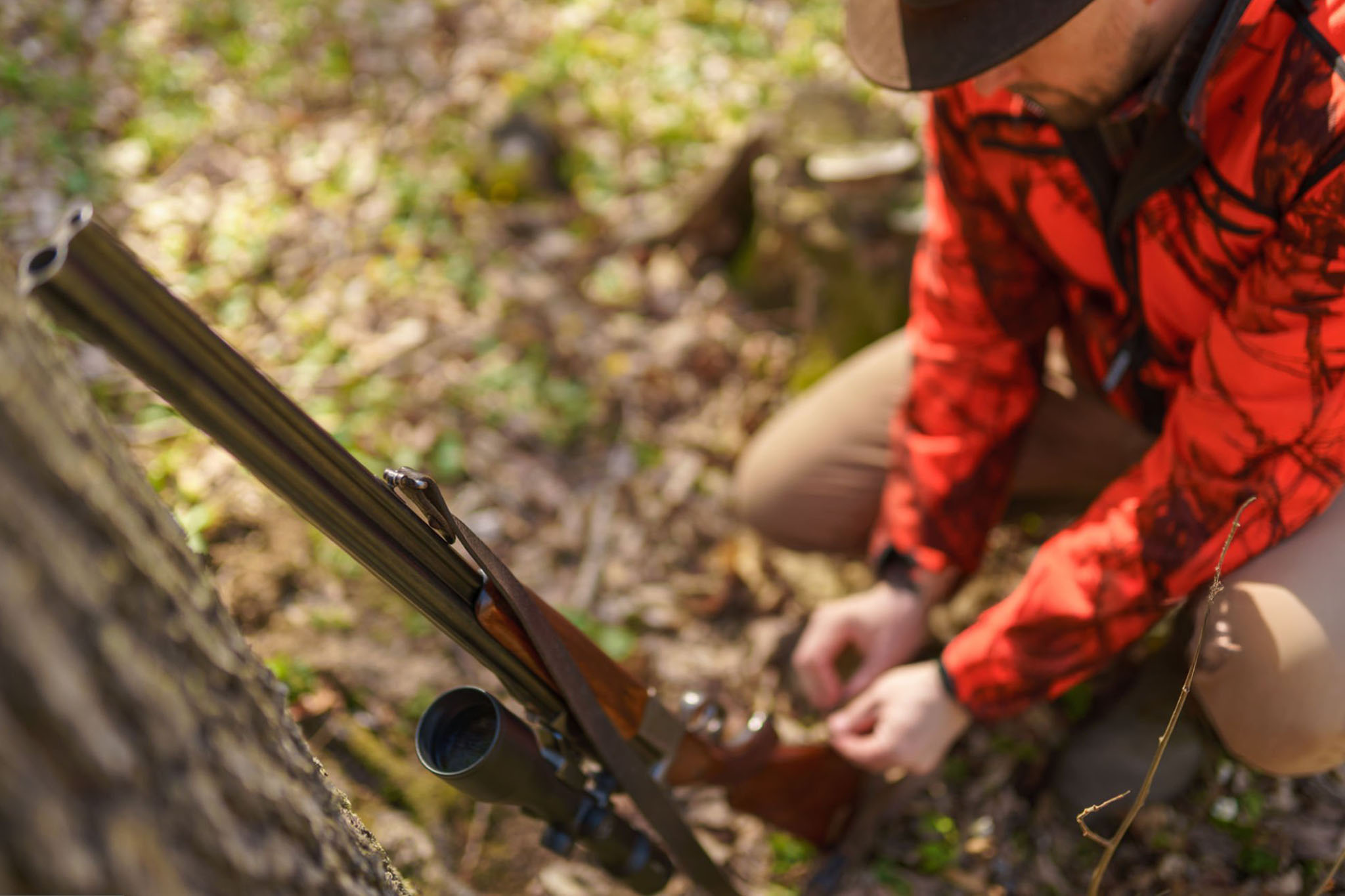
When the northern air starts to cut sharp and the maples turn bare, you can bet that mallards are on the move. The arrival of a cold front doesn’t just mean dropping temperatures—it’s nature’s migration trigger. For serious waterfowl hunters, understanding how these fronts shape duck behavior is the difference between watching empty skies and filling the strap.
Late-season mallard hunting isn’t about luck. It’s about reading the sky, the barometer, and most importantly—the wind line.
The Science Behind the Wind Line
Mallards, like most migratory waterfowl, are finely tuned to changes in the weather. When a cold front pushes south, it brings three key signals: falling temperatures, north winds, and pressure shifts. These factors work together to flip a switch in a duck’s instinct.
As the air cools, northern wetlands freeze up, cutting off access to food and open water. The birds have no choice but to move south, often traveling hundreds of miles overnight. The strongest migration flights—those breathtaking, sky-darkening movements—often happen right behind a cold front, where strong tailwinds and clear air make for perfect travel conditions.
If you’re a hunter watching the weather radar instead of the forecast, you’re already a step ahead.
Timing the Front: When to Be in the Blind
The best time to hunt a cold front depends on which side of the system you’re on.
- Before the front: Warm, moist air makes birds restless but not quite ready to move. You might catch local ducks feeding heavily ahead of the drop.
- During the front: Wind speeds climb, barometric pressure falls, and birds often hunker down. It’s tough hunting but worth sticking it out.
- Right after the front: This is when magic happens. The air clears, temperatures dip, and mallards start riding that north wind like a conveyor belt south.
Set up in areas that are directly under the migration corridor—river systems, flooded timber, and shallow ag fields often act like rest stops for traveling flocks.
Finding the Wind Line
Every cold front draws a line across the map—a sharp divide between calm, mild air and the biting wind that follows. That invisible line is what we call the wind line, and mallards follow it almost like a road sign.
To find it, look for:
- Wind direction changes: When the breeze shifts from southwest to northwest, migration is on.
- Temperature gradients: A 10–15°F drop often sparks major movement.
- Clearing skies after rain or sleet: Ducks like to fly when they can see, and post-front bluebird days are perfect.
Mapping these fronts using radar and wind forecasts can reveal migration highways. Many hunters swear by watching the “duck weather trifecta”—north wind, high pressure, and full moon—for spotting new birds on the move.
Setting Up for Success
Once you’ve identified a likely migration push, your setup matters more than ever. Migrating ducks are tired, hungry, and cautious. The key is to make your spread look like a safe, social landing zone.
- Decoy strategy: Run a larger spread than usual, focusing on realism over density. Add motion—like spinning wings or jerk rigs—to mimic feeding activity.
- Calling: Keep it conversational. Late-season mallards have heard every highball in the book. Short, confident quacks and subtle feeding chatter tend to draw them in better than aggressive hail calls.
- Concealment: Birds flying high on migration routes have sharp eyes. Blend in completely, from your blind to your boat, and avoid any shine or movement.
Follow the Food, Not Just the Weather
While the front dictates when mallards move, food dictates where they stop. Cold fronts push ducks to find open water and high-energy food sources. That means:
- Corn and rice fields hold strong attraction after a freeze.
- Shallow flooded timber stays productive when deeper water locks up.
- Rivers and spring-fed sloughs offer open water refuges when everything else is frozen.
If you can find a pocket of open water near prime feeding grounds in the days following a hard front, you’re likely sitting on the X.
Gear and Grit: Hunting the Hard Weather
Chasing cold-front mallards isn’t for the faint of heart. It means long hours in biting wind, frozen decoys, and frosted gun barrels. But those who stay in the field through the worst of it reap the rewards.
- Dress in layers to manage sweat and wind chill.
- Use waterproof gear—both your clothing and your gun case.
- Stay mobile—ducks shift daily during fronts, so don’t be afraid to relocate.
Hunters equipped with insulated waders, waterproof gloves, and high-grip boots have the edge in staying comfortable and focused. Cold weather doesn’t just test your skills—it tests your willpower.
Patience and Payoff
The days following a cold front are when new birds arrive—fresh, unpressured, and eager to feed. It might take a morning or two of empty skies before the migration hits, but when it does, it happens fast.
You’ll hear it before you see it: that faint whistle of wings overhead, growing louder as greenheads lock up in the morning wind. When that moment comes, all the frozen fingers and long sits are worth it.
Final Thoughts
Cold fronts are more than just weather—they’re migration engines. The mallards know it, and the best hunters know how to follow it. By reading the wind line, timing your hunts, and preparing for the elements, you put yourself right in the path of the movement.
When that north wind bites your face and the sky fills with wings, remember: the front doesn’t stop the hunt—it fuels it.
