
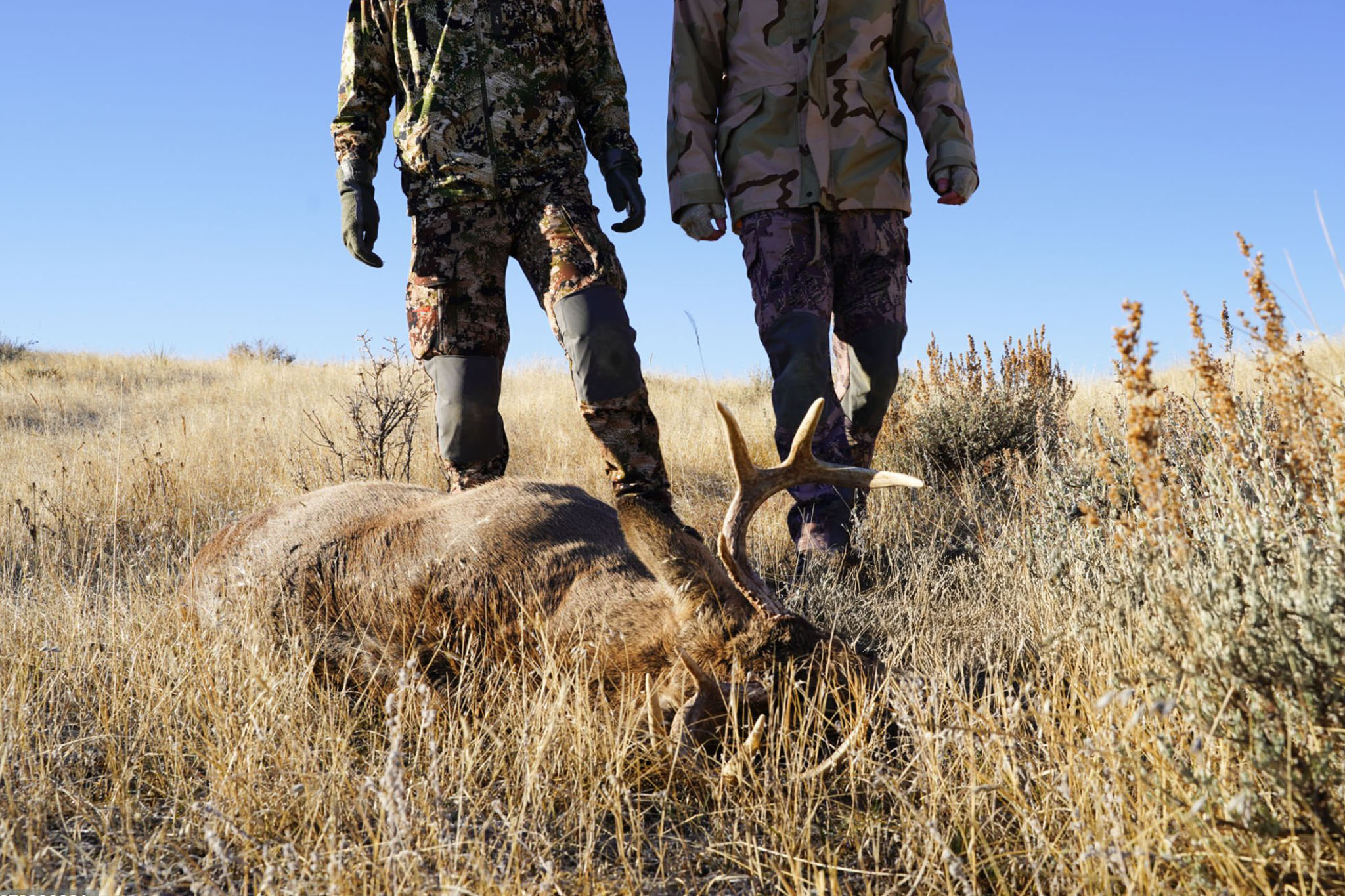
When most hunters have packed up their gear and called it a season, the real trophies are often just starting to move. Late November may bring bitter air, frosty mornings, and frozen ground—but it also delivers some of the best chances of the year to tag a true giant. For those willing to brave the cold, this is the time when experience, patience, and grit pay off.
The Post-Rut Reality
By late November, the chaos of the peak rut has started to fade. Bucks that spent weeks chasing does are now exhausted, hungry, and trying to recover lost energy. While their movements may seem slower, they’re still driven by two key needs: food and survival.
The post-rut period shifts the game from chasing to feeding. Bucks begin showing up around reliable late-season food sources—cut cornfields, standing soybeans, winter wheat, or mast-rich timber. They’ll move less frequently, but when they do, it’s often predictable. Hunters who focus on high-calorie food sources near safe bedding cover can catch a bruiser letting his guard down.
Cold Weather Equals Predictability
One of the biggest advantages of bitter air is consistency. As temperatures plummet, deer behavior becomes more patterned. Whitetails have to feed more often to stay warm, meaning they’re easier to pattern than during the erratic days of the rut.
When the mercury dips below freezing, deer become slaves to the weather. Look for south-facing slopes where the sun warms the ground or low-lying valleys where deer bed to stay shielded from the wind. Morning hunts can be productive on travel corridors leading to feeding areas, while evenings around major food plots or grain fields often light up with movement.
Thermals, Wind, and Stealth
Cold air isn’t just a test of endurance—it’s a lesson in scent control. With shifting thermals and dense, crisp air, scent molecules travel farther and faster in the cold. Hunters must be extra cautious about wind direction, especially in the mornings when rising thermals can betray your position.
Choose entry routes with cover and minimal noise, and use frozen ground to your advantage. Crunchy snow may seem like a curse, but light steps and slow movement can still get you within range if you time it with wind gusts or nearby natural noise like rustling trees or running water.
Food is the New Rut
If you want to find giants in late November, follow the food. A buck’s survival depends on calories, and as natural browse declines, they key in on reliable sources.
- Cornfields – Offer energy and shelter; deer often feed deep within the rows during daylight.
- Soybeans – High in protein and fat, beans become magnets once frost sweetens them.
- Brassicas and turnips – After a freeze, the starch turns to sugar, making them irresistible.
- Acorns – If there are still red oak acorns on the ground, deer will dig for them even through snow.
If you can find food near thermal bedding cover, especially in less-pressured areas, you’ve got a late-season honey hole.
Gear Up for the Grind
Late-season hunts demand more than just skill—they require mental toughness and the right gear. Long sits in freezing temperatures can end early without proper layering. Use moisture-wicking base layers, insulated boots, and hand warmers to keep yourself comfortable and alert.
Keep your gear quiet, too—frozen fabric can betray you with unwanted noise. Opt for soft-shell outer layers, and treat zippers and buckles to prevent squeaks in the cold.
And don’t underestimate the importance of optics this time of year. The low winter sun casts long shadows that can hide a bedded buck—good glass can make the difference between spotting him or walking right past.
Patience Pays in the Freeze
The final weeks of November aren’t for everyone. The wind stings, the woods are quiet, and the days are short. But that’s exactly why the biggest bucks feel safe enough to move in daylight again.
Persistence is key—stick with your spot, play the wind right, and trust the patterns. Every cold front, every frost, and every snow squall resets the woods, forcing deer to adjust. If you stay one step ahead, that bitter air could carry the breath of your best buck yet.
Final Thoughts
Late November may be harsh, but it’s also honest. The crowds are gone, the woods are still, and the deer that remain are at their most vulnerable. If you’re willing to endure frozen fingers and long, quiet sits, you’ll discover why this is the season when legends are made.
Bitter air brings big racks—and those who can outlast the cold often find themselves standing over the kind of buck most hunters only dream about.
