
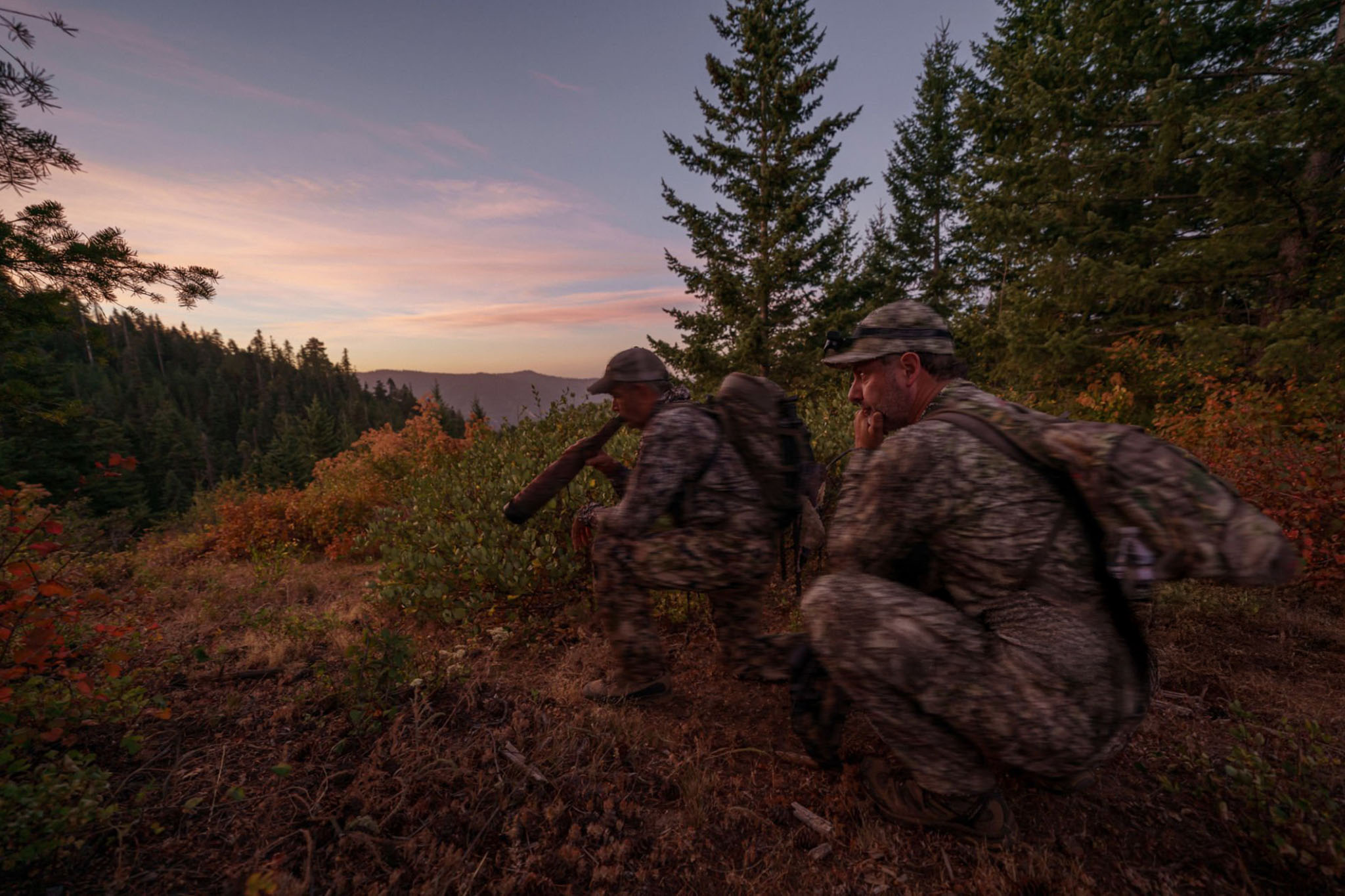
When the air turns crisp and the first flurries threaten, most hunters know that time is running short for scouting open ground. Before the snow hides the trails, scrapes, and feeding zones, smart hunters take advantage of those final bare days to read the woods like a storybook. Scouting before snow cover isn’t just about finding deer — it’s about understanding how they move, why they choose certain areas, and where they’ll be once winter sets in.
1. The Window Before the Snow
Late fall offers one of the best, but briefest, scouting windows of the entire year. With most leaves down, visibility through the timber improves dramatically, revealing trails, bedding areas, and rub lines that were hidden in early season foliage. Yet, unlike after a fresh snow, the sign you find now isn’t blurred or overwritten by shifting patterns — it’s the real-time record of deer activity in mid to late fall.
Pay attention to soft soils, leaf litter disturbances, and fresh scat. These small signs are easy to spot before the snow, and they tell you not only where deer have been, but also where they are still active as food sources change and pressure builds.
2. Track the Transition Zones
As temperatures drop, whitetails and other game start transitioning from their early-season feeding grounds to secure, energy-efficient winter ranges. This movement often follows predictable corridors — creek bottoms, wooded fencerows, and the edges of cut cornfields.
Walk these edges and note how deer use them:
- Tracks leading in both directions suggest active movement between bedding and feeding.
- Trails converging on thick cover likely mark staging areas where deer wait before entering fields at dusk.
- Fresh rubs in clusters can indicate the late rut hangover — bucks still testing territory or late does coming into estrus.
3. Food Sources Still Holding Strong
Before the snow buries everything, take note of what’s left for deer to eat. Acorns may be gone, but leftover corn, soybeans, brassicas, and wild browse still play a crucial role. Deer gravitate toward whatever’s still accessible — and once you identify those remaining resources, you’ve found your late-season hotspots.
A smart trick: mark these spots on a map now. When the snow falls, deer will return to these same areas out of habit. Knowing them ahead of time gives you a strategic edge when everyone else is guessing under a blanket of white.
4. Beds, Trails, and Wind Advantage
When scouting, always consider the wind. Even without snow, scent still rules the game. Use the prevailing late-fall winds to position yourself on downwind sides of bedding cover and travel routes.
If you find flattened grass in thick cover, you’ve likely found a bedding area. Fresh droppings or nearby rubs confirm it’s active. During cold snaps, deer bed in south-facing slopes to soak up warmth; note these orientations for stand placement later.
5. Pressure Patterns
By late fall, deer have already been pressured by weeks of hunting. Their sign changes accordingly. Trails that once crossed open fields may now skirt just inside the treeline. Daytime movement becomes more nocturnal. Look for subtle signs — narrow side trails, faint prints under low-hanging branches — these often reveal alternative escape routes that pressured deer use.
6. Scout, Don’t Disturb
The biggest mistake late-season hunters make is over-scouting. Every step you take in the woods leaves scent and sound. Scout smart: go mid-day when deer are bedded, use wind in your favor, and observe from a distance with optics whenever possible. This way, you learn more while leaving less impact.
7. Turn Observation into Opportunity
Combine your findings into a game plan. Use mapping apps or physical notes to link bedding, food, and travel routes. Then, choose ambush points where these elements converge with favorable wind. Whether it’s a tucked-away funnel or a hardwood ridge leading to a crop field, the best setups are the ones built on the patterns you uncovered before the snow hit.
Conclusion
Scouting before snow is like reading the last visible lines of the season’s story — once winter arrives, those clues vanish under white silence. But the hunter who studies the land now will walk into late-season hunts with a clear blueprint of deer movement and behavior.
Because when the woods finally turn white, success belongs to those who read the sign before it disappeared.
