
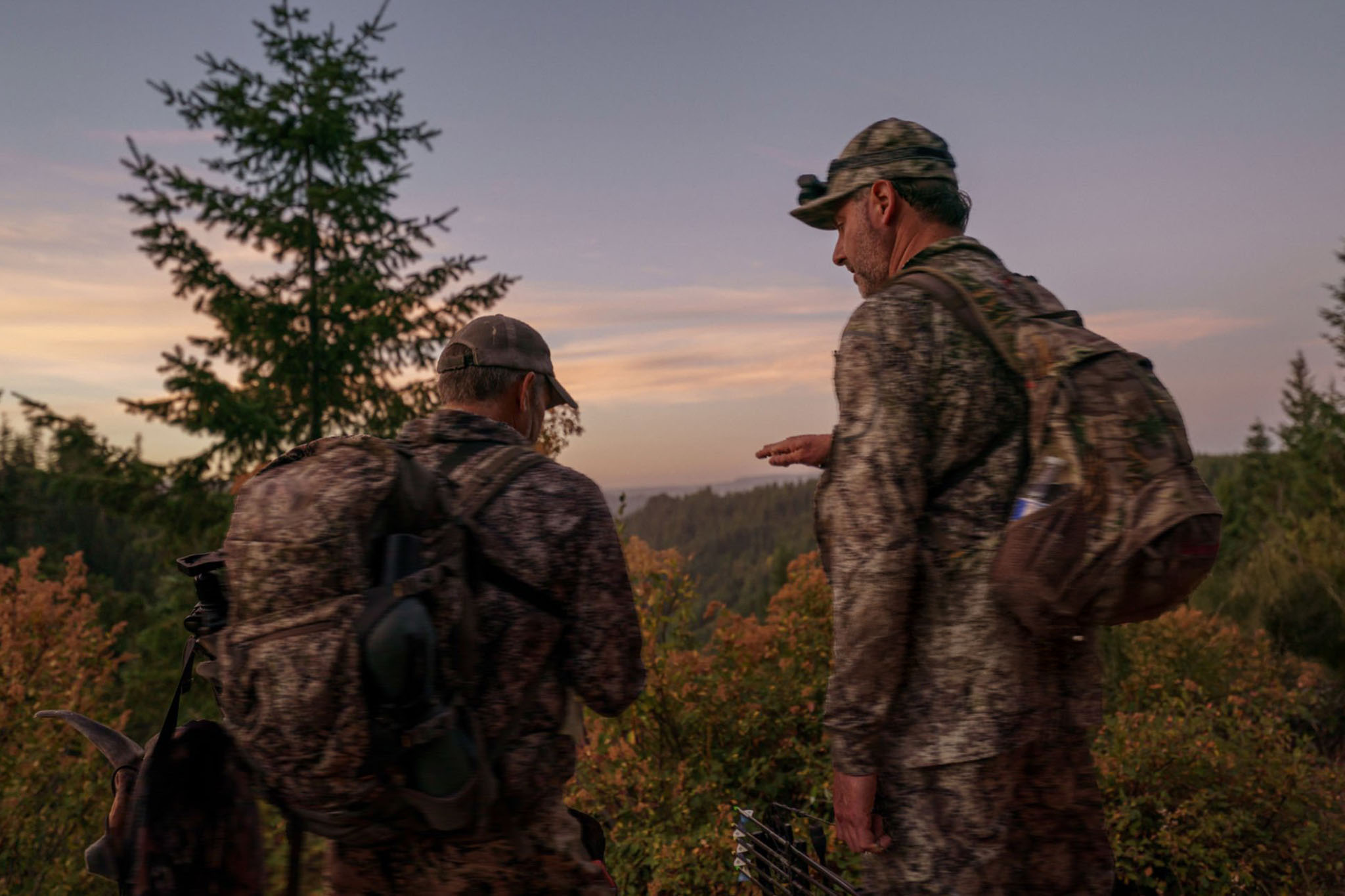
By late November, the woods look different. The air carries a sharp edge, leaves crunch underfoot, and the once-rich oak flats are quiet. For weeks, deer gorged themselves on acorns — a calorie-packed buffet that fueled the rut and sustained them through fall’s chill. But now, the buffet is gone. And the hunter who understands where whitetails turn next holds the key to one of the season’s greatest advantages.
When the acorns are gone, deer don’t disappear — they adapt. And if you know how to track that shift, you’ll find yourself exactly where the herd still feeds, long after most hunters have packed it in.
The End of the Acorn Cycle
In many whitetail habitats, acorns are the heartbeat of fall. They offer high fat content, abundant energy, and security cover beneath mature hardwoods. But acorns don’t last forever.
By late fall, squirrels, turkeys, and deer have stripped the forest floor clean. Once the mast crop dries up, deer transition into survival mode, seeking new sources of carbohydrates and protein to replenish the energy they spent during the rut.
This period — when natural foods fade and winter looms — becomes one of the most patternable times of the season. The deer’s world shrinks to wherever consistent nutrition still exists.
How Deer Behavior Changes After Acorns
As the forest empties of mast, whitetails shift their focus to accessible, digestible food sources that provide both energy and warmth. Bucks are lean from the rut, does are rebuilding fat stores, and all deer are moving less to conserve energy.
That means:
- They feed earlier in the afternoon to maximize daylight for warmth.
- They travel shorter distances between food and cover.
- They seek high-carb sources that can be digested quickly in cold weather.
In other words, when acorns vanish, deer become more predictable — if you know where the calories are.
1. Agricultural Fields: The Late-Season Lifeline
In farm country, agriculture dictates deer survival after acorns disappear. Even in heavily hunted regions, deer won’t abandon easy food.
Top Agricultural Draws:
- Standing Corn: Provides both cover and high-energy feed. If your area still has unharvested corn, hunt it — deer will live in it.
- Cut Bean Fields: After harvest, spilled soybeans attract consistent feeding until snow buries them.
- Winter Wheat or Rye: Young green growth offers digestible protein that deer crave post-rut.
Tip: Set up along inside corners, fence lines, or drainage ditches leading into these fields. Deer rarely walk straight into the open; they stage just inside cover before dark.
2. Food Plots: Consistency Is King
When natural forage disappears, managed food plots become magnets. Brassicas, turnips, radishes, and clover varieties hold green well into winter.
The reason? These plants convert starch to sugar during cold weather, making them even more attractive after the frost.
A late-fall food plot that’s still green can outcompete any remaining crop field. The best time to hunt them is after a hard freeze or light snow, when deer abandon bare woods for reliable forage.
Tip: Don’t hunt directly over the plot. Focus on entry and exit routes, where mature bucks feel safer moving before full darkness.
3. Natural Browse: The Overlooked Buffet
When mast and ag crops are gone, deer turn to what’s left — and often, hunters ignore it. Browse (woody plants, vines, and green shoots) may not seem appealing, but it’s vital to survival in late fall.
Key Natural Browse Sources Include:
- Greenbrier and honeysuckle: Highly digestible and often found in low thickets.
- Maple saplings, blackberry canes, and dogwood shoots: Excellent secondary browse.
- Young clearcuts: Provide tender growth that remains palatable long after leaf drop.
Browse feeding areas are often located on south-facing slopes, where the sun keeps vegetation accessible. Hunting near these subtle feeding zones — especially when snow covers everything else — can yield incredible success.
4. Leftover Fruit and Shrubs
Don’t underestimate the power of wild apples, persimmons, or berry shrubs. These late-season sugars draw deer like magnets.
- Wild apple trees often hold a few fruit well into December.
- Persimmon groves remain irresistible until the last fruit ferments.
- Multiflora rose and sumac provide both browse and cover.
If you find a fruit-bearing area that hasn’t been cleaned out yet, mark it down — deer will revisit until the last drop of sweetness is gone.
5. Thermal Cover and Proximity
At this point in the year, food and cover are inseparable. Deer no longer travel far from bedding areas. The colder it gets, the tighter their range becomes.
That’s why your focus should shift from “where the deer feed” to “where they feel comfortable feeding.”
- South-facing edges of food sources warm faster.
- Pines and cedars offer both cover and a windbreak.
- Low-lying areas near creeks or hollows retain heat and hold browse.
Set up downwind of these transition zones. Mature bucks in particular will feed just inside the timber before committing to an open field.
Weather and Timing: Reading the Late-Fall Clock
In late fall, temperature dictates deer movement more than the moon.
- Before a front: Deer feed heavily in anticipation of pressure drops and storms.
- After a cold snap: They’ll seek carbohydrates and move earlier in the afternoon.
- During warm spells: Expect limited daytime activity — focus instead on first light or last shooting light.
Wind remains critical. With bare trees and open ground, scent travels farther than ever. Always set up where terrain and thermals keep your wind off the main trail.
Gear and Mindset for the Cold
Late-season hunts are as much mental as they are physical. Cold hands and numb toes can end your sit before the deer ever move. Invest in quiet, insulated gear that allows stillness and comfort:
- Insulated boots with thick liners or boot covers.
- Merino wool base layers for moisture control.
- Hand muffs and neck gaiters — extremities lose heat first.
- Portable cushion or insulated seat for long sits in frozen stands.
Patience is the weapon of late fall. When the woods are quiet, even a careless movement echoes. Hunt smarter, not longer — and let your preparation do the work.
Conclusion: When the Woods Go Bare, the Smart Hunter Shines
When the acorns are gone, most hunters hang it up, assuming the action is over. But that’s when the real challenge — and the real reward — begins.
Deer haven’t vanished; they’ve simply grown cautious, efficient, and consistent.
If you can read the signs — the food shifts, the thermal patterns, the quiet trails — you’ll find them again.
The woods may seem empty, but for the hunter who adapts, late fall is not the end of the season. It’s the beginning of the most strategic one.
