
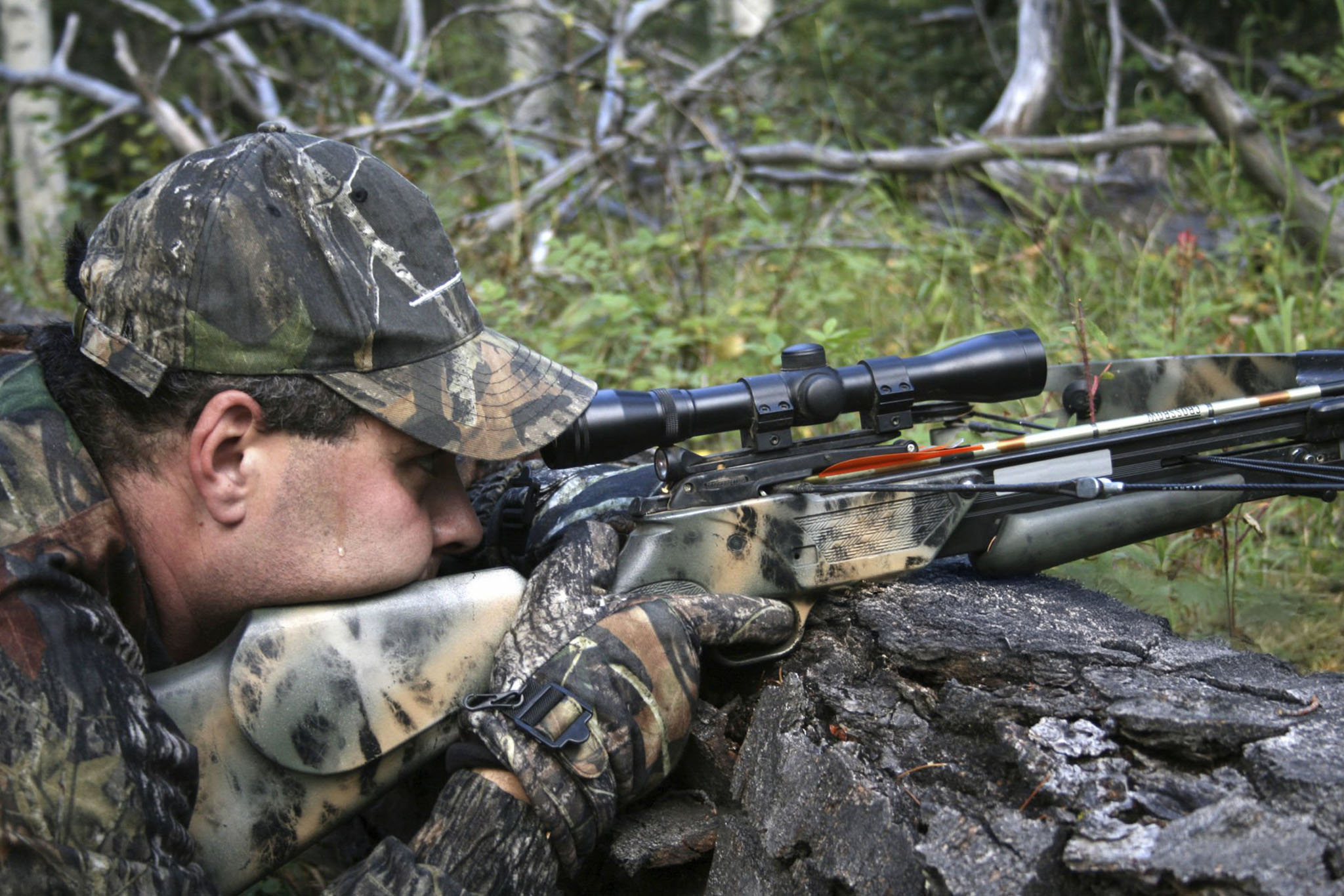
When the leaves are long gone and frost crunches beneath your boots, the easy days of deer hunting are over. The rut is fading, food is scarce, and whitetails have turned into ghosts. Yet, for hunters willing to brave the cold and think strategically, late-season hunts can deliver some of the most rewarding — and educational — moments of the year.
The key lies in adapting to a new game. Bucks are worn down, herds are wary, and every move they make revolves around energy conservation and survival. It’s no longer about calling, chasing, or rattling. It’s about patience, precision, and understanding the subtle rhythms of a frozen landscape.
The Mindset Shift: From Aggressive to Calculated
Late-season whitetail hunting isn’t about forcing action — it’s about predicting behavior. During the rut, deer roam widely and make mistakes; now, every move they make has purpose.
A successful late-season hunter embraces three principles:
- Energy is currency — deer won’t waste it unless food or safety demands it.
- Temperature dictates timing — cold snaps trigger feeding; warm-ups delay it.
- Stealth outweighs aggression — your first sit in a spot is your best chance.
If you can think like a deer in December, you’ll stop chasing luck and start tracking logic.
Understanding Late-Season Whitetail Behavior
Post-rut whitetails face three priorities: food, warmth, and minimal movement. Bucks have dropped up to 25% of their body weight from the rut, and does are regaining energy before the harshest stretch of winter.
Their daily patterns tighten dramatically:
- Feeding: Short, direct trips to secure food sources.
- Bedding: Thicker cover with sun exposure and wind protection.
- Travel: Minimal, almost always on predictable paths between food and cover.
Once you locate these three elements — food, bedding, and security — you’ve found the heart of late-season deer movement.
Find the Food, Find the Deer
When temperatures drop and snow covers the woods, food dictates every decision a deer makes. Unlike the early season when they browse at leisure, late-season whitetails are selective and routine-driven.
Prime Late-Season Food Sources:
- Standing corn and soybeans: The jackpot if they’re still standing; deer will return daily.
- Cut cornfields and waste grain: Bucks often feed here before dark.
- Acorns: Especially those that dropped late or were overlooked earlier.
- Food plots: Brassicas, turnips, clover, and winter wheat all draw steady activity.
- Natural browse: Honeysuckle, blackberry stems, or greenbrier in snow-covered woods.
The trick isn’t just finding food — it’s understanding how deer approach it. They’ll hug edges, use ditches, and follow wind-friendly routes to minimize exposure. Position yourself just off those entry routes rather than directly over the food.
Thermal Bedding and Microhabitats
Cold-weather whitetails are masters of microclimates. South-facing slopes, pine thickets, and low draws that block wind become critical bedding areas. These locations not only provide shelter but also absorb daytime sun — letting deer conserve precious body heat.
When scouting:
- Look for tracks and droppings in sunny hollows or beneath thick cedars.
- Note beds oriented toward the sun, often slightly elevated for better visibility.
- Avoid high-traffic areas — deer in winter spook easily and don’t return quickly.
If you find fresh beds with hair, droppings, and compacted snow, that’s gold. Mark it, back out quietly, and plan your hunt for a favorable wind.
Trail Tactics: How to Read and Hunt Hot Sign
Late-season deer may move less, but their trails become more predictable and easier to read thanks to frost, snow, or mud.
Here’s how to decode late-season trails:
- Heavily used paths between bedding and food mean consistent travel.
- Fresh tracks with long strides usually belong to bucks moving confidently at dawn or dusk.
- Trails through cover, not open ground, show safety-first behavior.
When setting up, remember: you’re not hunting the field — you’re hunting the approach. Set your stand or blind along a staging area 50–100 yards from the food source. That’s where mature bucks linger until dark.
Cold-Weather Calling and Scent Strategy
Forget the aggressive rattling of November. In December, less is more. Deer have been pressured for weeks, and any unnatural sound sends them running.
- Use soft grunts sparingly to mimic lone feeding bucks.
- Bleats or fawn distress calls can pull does, especially in lightly hunted areas.
- Avoid rattling unless you see a buck already moving your way.
Scent control becomes even more critical in cold weather. Air layers differently, and thermals drop sharply at dusk. Always check how wind interacts with terrain before committing to a setup.
Weather Patterns That Trigger Movement
In late season, temperature swings can make or break your hunt.
- Just before a major cold front: Deer feed aggressively to prepare.
- After the storm breaks: Expect midday movement as they stretch and feed.
- During mild spells: Movement shifts later into the evening.
Barometric pressure also plays a role — rising pressure after a snow or rain event consistently increases deer activity. Hunters who track these micro-patterns often fill tags while others stay home.
Gear That Wins in the Cold
Late-season hunts test endurance. It’s not just about staying out there — it’s about staying functional.
Must-Have Gear for the Frozen Woods:
- Insulated, scent-free boots to keep circulation steady.
- Merino wool layers for warmth and moisture control.
- Windproof outer shell — even a light breeze saps body heat fast.
- Heated hand muffs and chemical warmers for long sits.
- Portable cushion or insulated seat to retain heat from below.
The quieter your gear, the better. Frost amplifies every creak, zipper, and brush of fabric. Choose silence over style every time.
Mental Grit: The Cold Hunter’s Edge
When you’ve sat for hours in freezing silence, it’s easy to question why you’re out there. But the truth is — this is when hunting becomes pure. The woods are quiet, the competition is gone, and the reward is earned the hard way.
Late-season hunting isn’t about comfort; it’s about commitment. It teaches patience, respect for the animal, and the discipline to adapt. The hunter who stays the course when his hands are numb and his breath turns to ice often ends up with the best story — and sometimes, the biggest buck.
Conclusion: The Fire in the Frost
Cold hands are the price of passion. In the late season, it’s no longer about luck or noise — it’s about strategy, subtlety, and persistence.
If you can read trails like a map, dress for endurance, and move with intent, you’ll find success where most have given up.
Because when the world turns white and the woods go still, the hot trails are still out there — waiting for the hunter willing to feel the cold.
