
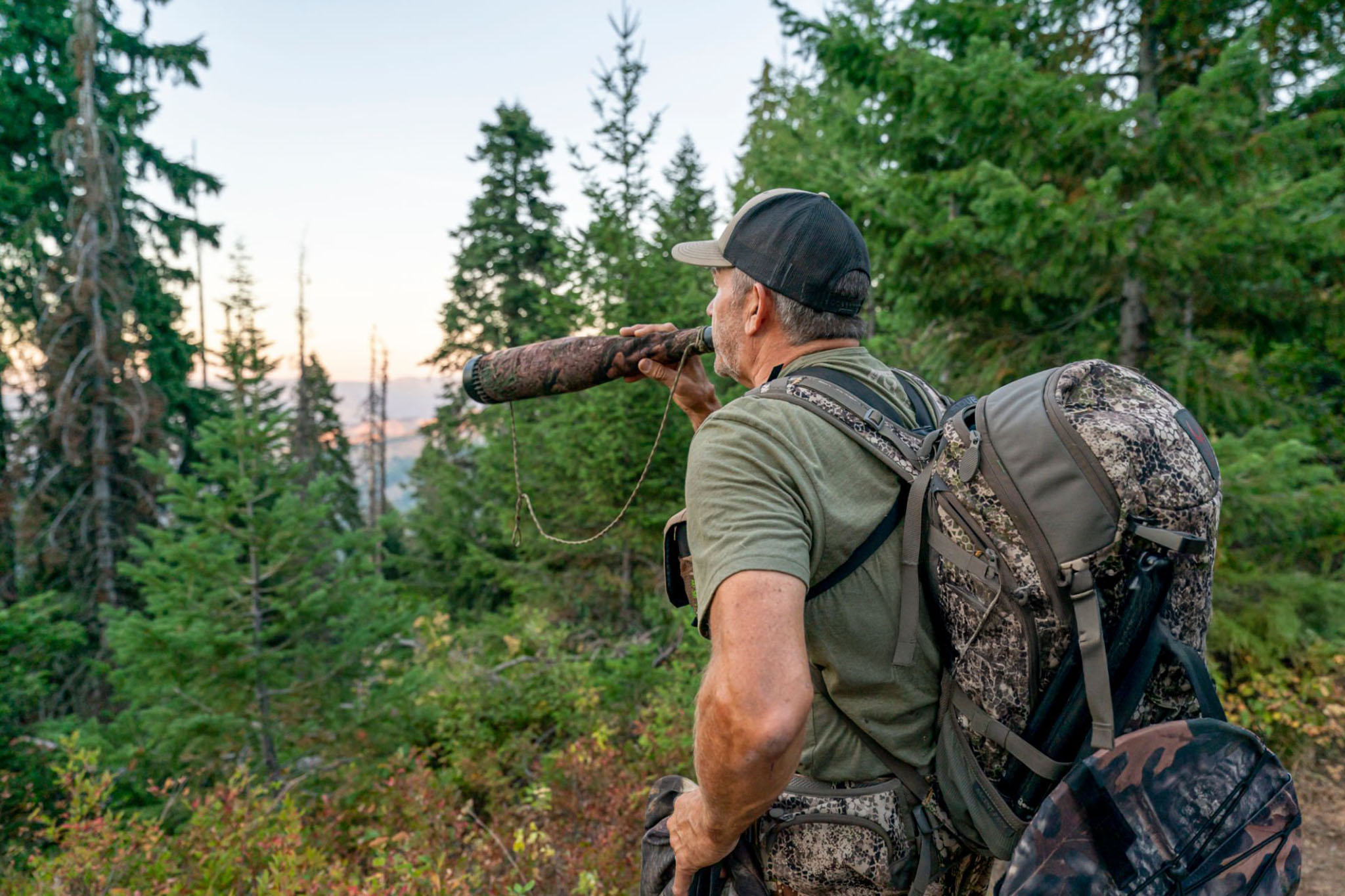
When the snow begins to melt and the woods come back to life, hunters across the country head out not with rifles, but with sharp eyes and sturdy boots. Shed hunting — the search for naturally dropped antlers — isn’t just a spring pastime; it’s one of the smartest scouting tools a hunter can use.
Each shed tells a story: where a buck survived the winter, how he moved across his range, and where he might show up when the next hunting season rolls around. If you know how to read the signs, you’re not just collecting antlers — you’re building a blueprint for fall success.
Why Shed Hunting Matters More Than You Think
For many hunters, finding antlers is like striking gold. But beyond the thrill of discovery, shed hunting offers valuable insight into deer behavior.
Bucks drop their antlers between late winter and early spring, usually after the rut and as testosterone levels decline. These sheds are more than souvenirs — they’re data points. Each one helps you piece together the puzzle of a buck’s home range, bedding areas, and feeding routes.
By tracking where you find sheds over time, you can begin to map movement patterns, identify core areas, and even predict how deer will shift once new growth emerges in spring.
Timing: When the Sheds Hit the Ground
Antler drop depends on location, nutrition, and weather conditions.
- In the Midwest and Northern states, bucks typically shed from January through March.
- In Southern regions, shedding can stretch into April.
A good rule of thumb: start searching once you notice groups of bucks without headgear in your trail cam photos or when fresh rubs stop appearing.
Late winter storms can delay drops, but once the snow starts to thaw and food sources become accessible again, sheds begin to appear across fields, timber edges, and bedding cover.
Best Places to Search for Sheds
Finding sheds is part science, part instinct. Deer don’t drop antlers randomly — they fall where deer spend the most time in winter. Focus your search on high-traffic areas that provide food, cover, and safety.
Here are prime shed-hunting zones:
- Feeding Areas:
Corn stubble fields, bean plots, and winter wheat are magnets for post-rut bucks. They often feed heavily before shedding. - Bedding Areas:
Look in south-facing slopes, cedar thickets, and warm, sheltered spots that catch the sun. Deer spend long hours here during cold snaps. - Travel Corridors:
Trails between bedding and feeding zones are classic drop sites. Pay attention to obstacles like fences — bucks can lose an antler jumping over. - Water Sources:
Streams and ponds often reveal sheds along muddy edges where deer come to drink during midday warm-ups. - Sanctuaries and Quiet Corners:
Areas with minimal human activity tend to hold older bucks that shed early and deep in cover.
Tools and Techniques for Shed Hunting
Shed hunting doesn’t require fancy gear, but preparation pays off.
What to Bring:
- Durable boots — Waterproof and mud-ready options like Trudave or Hisea hunting boots keep your feet dry and comfortable through long hikes.
- Binoculars — Scanning open fields saves time and energy.
- GPS or Mapping App — Track your routes and pin shed locations to visualize deer movement later.
- Gloves and backpack — Protect your hands and carry multiple finds easily.
Pro Tip: Move slowly and scan at a shallow angle to the ground. Antlers catch sunlight differently than sticks — their sheen and curves stand out under the right light. Mornings with low sun are perfect for spotting them.
Reading the Signs: What Sheds Reveal
Each shed carries a wealth of information — if you know how to interpret it.
- Single Shed vs. Pair:
If you find one side, note the direction of trails nearby. Bucks often bed or feed within 200 yards of where they dropped the first antler. - Location Context:
- A shed in a feeding field means the buck felt secure feeding there.
- A shed deep in cover signals a core bedding area.
- A shed along a trail or fence line might indicate a transitional zone.
- Size and Age:
Matching the antler to past trail cam photos helps you identify individual bucks and confirm survival through winter — crucial intel for fall planning.
Using Sheds to Build a Movement Map
The real power of shed hunting lies in what you do afterward. Combine your shed finds with trail camera data, rub lines, and fresh tracks to build a detailed movement map.
Use mapping software like OnX Hunt or HuntStand to mark:
- Shed locations
- Bedding zones
- Feeding fields
- Trail intersections
Over time, you’ll see patterns emerge — how deer move seasonally, where they shift after hunting pressure, and how terrain or food availability shapes their range.
By comparing multiple years of data, you can anticipate where a mature buck might return next fall. Shed hunting becomes less about luck and more about informed pursuit.
Respect the Land and Wildlife
It’s easy to get caught up in the excitement, but shed hunting requires respect for the land and its inhabitants.
- Avoid stressing deer during harsh conditions.** Wait until late winter feeding pressure eases before entering bedding zones.
- Get landowner permission. Even if it’s off-season, private land access must be granted.
- Leave no trace. Pick up litter, close gates, and tread lightly on habitat.
A good shed hunter leaves the woods better than they found them.
Beyond the Find: What Sheds Mean to a Hunter
Every shed tells a story of survival — the storms endured, the predators avoided, the endurance of a mature buck making it through another winter.
Finding that glint of ivory in the brush is more than luck; it’s a connection to the life cycle of the wild. For hunters, it bridges the quiet months between seasons — a reminder that the story continues, even when rifles are cased and the woods seem still.
And when fall returns, those sheds aren’t just memories on a shelf — they’re signposts leading you right back into the heart of the hunt.
Final Thoughts
Shed hunting is where scouting meets serenity. It’s about slowing down, reading the land, and connecting with the rhythm of the deer woods. Each antler you find adds a piece to the bigger picture — a glimpse into the hidden patterns that define the wild.
So lace up your boots, grab your map, and step into the thawing timber. Somewhere out there, under a layer of leaves and last season’s frost, lies the next clue to your biggest hunt yet.
