
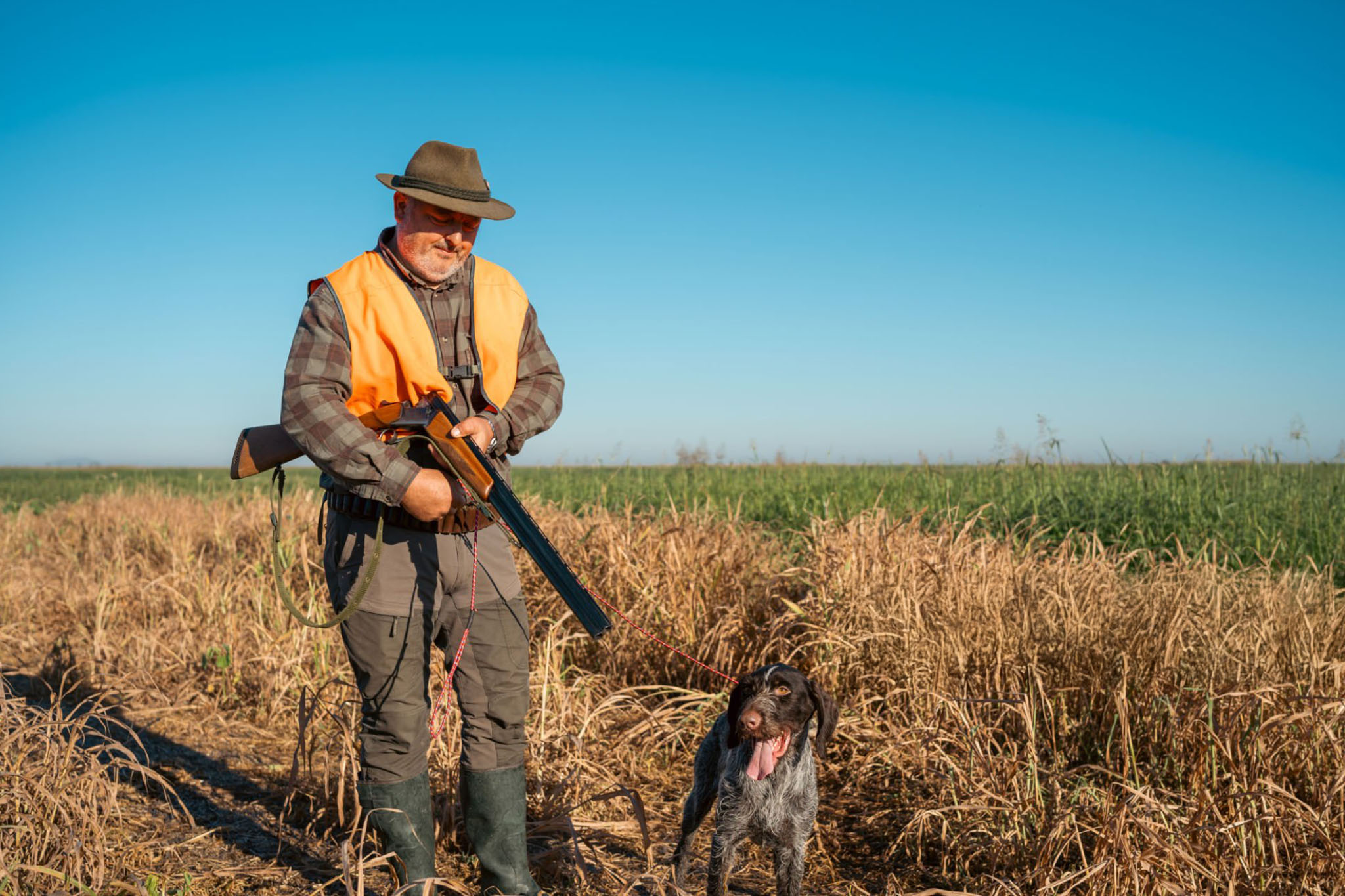
There’s something about the early duck season that stirs a hunter’s soul — the mist rising off the water, the chill cutting through the reeds, the world holding its breath just before the first wings whistle overhead. The mud, the chill, the faint hum of life waking up — this is the purest form of waterfowling.
Early season duck hunts aren’t about limits or trophies. They’re about timing, patience, and reading the marsh like a book. Each ripple, each gust, and each call you make tells part of a story that only unfolds when you’re knee-deep in it — boots sunk in mud, eyes scanning the horizon.
Why Early Season Hunts Feel Different
Before the migration peaks, before the heavy coats and icy blinds, there’s this narrow window — mild weather, early flights, and unpredictable behavior. It’s both challenging and rewarding.
Early season hunts test your adaptability. The ducks haven’t been pressured yet, but they’re cautious, moving in small groups and reacting to every sound and shadow. The weather shifts by the hour. Decoy spreads, calling techniques, and concealment all need fine-tuning.
And yet, that’s exactly why seasoned hunters love it. Early season hunting forces you to be present — to read the land, the light, and the air. It’s the art before the rush.
Reading the Marsh: Where Ducks Begin to Gather
Early season success starts with scouting. You’re not just looking for water — you’re looking for life.
- Shallow wetlands and backwaters warm faster, drawing in early migrators.
- Flooded fields and timber edges become feeding stations for teal and wood ducks.
- Creek bends and oxbows offer calm, sheltered roosts when weather patterns shift.
Walk the edges, glass the skies, and look for telltale signs: feathers on the water, fresh droppings near cattails, and muddy tracks along banks. Ducks are creatures of habit, and in early season, their routes are freshly formed and easy to pattern.
Perfecting the Early Season Spread
In these opening weeks, less is often more. Ducks aren’t yet used to large flocks, so mimic the small, casual gatherings of early migrators.
- Use 6–12 decoys rather than a full spread.
- Mix teal, mallard hens, and wood duck decoys for realism.
- Keep spacing wide — open water gives a relaxed feel that invites ducks to land.
A single spinning-wing decoy or motion rippler can add life to still water, especially during calm mornings. But avoid overusing them — wary early-season birds can flare at excessive motion.
Calling: Subtle Is the Secret
Forget the loud, aggressive hail calls. Early season ducks respond best to natural, conversational tones — soft quacks, light feeding chuckles, and whistles for teal.
Think of calling as a conversation, not a command. A single hen quack might do more than a whole series of calls. The trick is to sound like what the ducks expect to hear — a small group relaxed on the water, not a nervous crowd trying to draw attention.
Concealment: When Details Decide the Day
Early in the season, vegetation is still green, thick, and full of scent. That makes concealment easier — but also unforgiving if you get it wrong.
- Blend in naturally with grass mats, cattails, and local brush.
- Keep your blind low and broken up — silhouettes are the enemy.
- Muddy up your boots, gear, and even your gun stock to kill reflections.
Ducks at this stage are skittish in the soft light of dawn. One shine, one shadow, one careless move can turn a flyover into a missed chance.
Gear for the Mud and Morning Chill
Early mornings mean cold air and warm water — the perfect recipe for soaked socks if you’re not prepared. Quality gear keeps you dry, quiet, and focused.
- Waterproof waders are your lifeline. A dependable pair like those from Hisea or Trudave keeps you warm and comfortable in muck and knee-deep shallows.
- Insulated boots help maintain traction in slick mud and uneven marsh ground.
- Lightweight, breathable outer shells prevent overheating once the sun climbs.
Don’t forget gloves — not just for warmth but for grip when setting decoys or handling your shotgun.
Timing the Hunt
The magic of an early season hunt lies in timing — not just by the clock, but by the weather.
- Overcast mornings with light wind are ideal. Ducks feel safer landing on open water.
- Cool fronts spark new movement as birds ride fresh air currents.
- Mid-morning flights are common early in the season, so stay patient — don’t pack up too soon.
The best hunters learn to adjust, watching cloud cover and barometric drops as closely as they watch the sky for birds.
Ethics and Respect in the Early Season
Early season isn’t just about being first — it’s about setting the tone for the months to come. Ethical hunting keeps waterfowling traditions strong.
- Avoid overcalling or overshooting small groups. Let them rest and return.
- Pick up every shell and wad. The marsh gives us everything; it deserves respect in return.
- Know your limits and species. Early teal, wood ducks, and mallards often mix — identify before you shoot.
Good stewardship now ensures there’ll be birds — and quiet mornings — for years to come.
The Sound of Wings and the Weight of Mud
The first real moment of the season always feels the same: a low whistle, a sudden shadow, and then the sky opens with motion. You shoulder your shotgun, heart racing, boots half-buried in muck — and you remember why you love it.
It’s not just about filling the bag. It’s about the rhythm of the marsh, the company of friends, and that instant when the call and the wind line up perfectly.
Every duck hunter knows: the mud, the chill, the dawn — they’re not obstacles. They’re the art itself.
Final Thoughts
Early season duck hunting is a balance of subtlety and preparation. It’s about being quiet enough to blend in, but alert enough to seize the moment when it comes. From your decoy spread to your calling cadence, everything should feel effortless — like you belong there.
So pull on your waders, listen to the distant chatter across the pond, and wait for the morning to break. Because when the marsh wakes up, and the first ducks circle low through the mist, you’ll be right where you should be — boots muddy, breath visible, heart steady.
That’s the art of early season duck hunting.
