
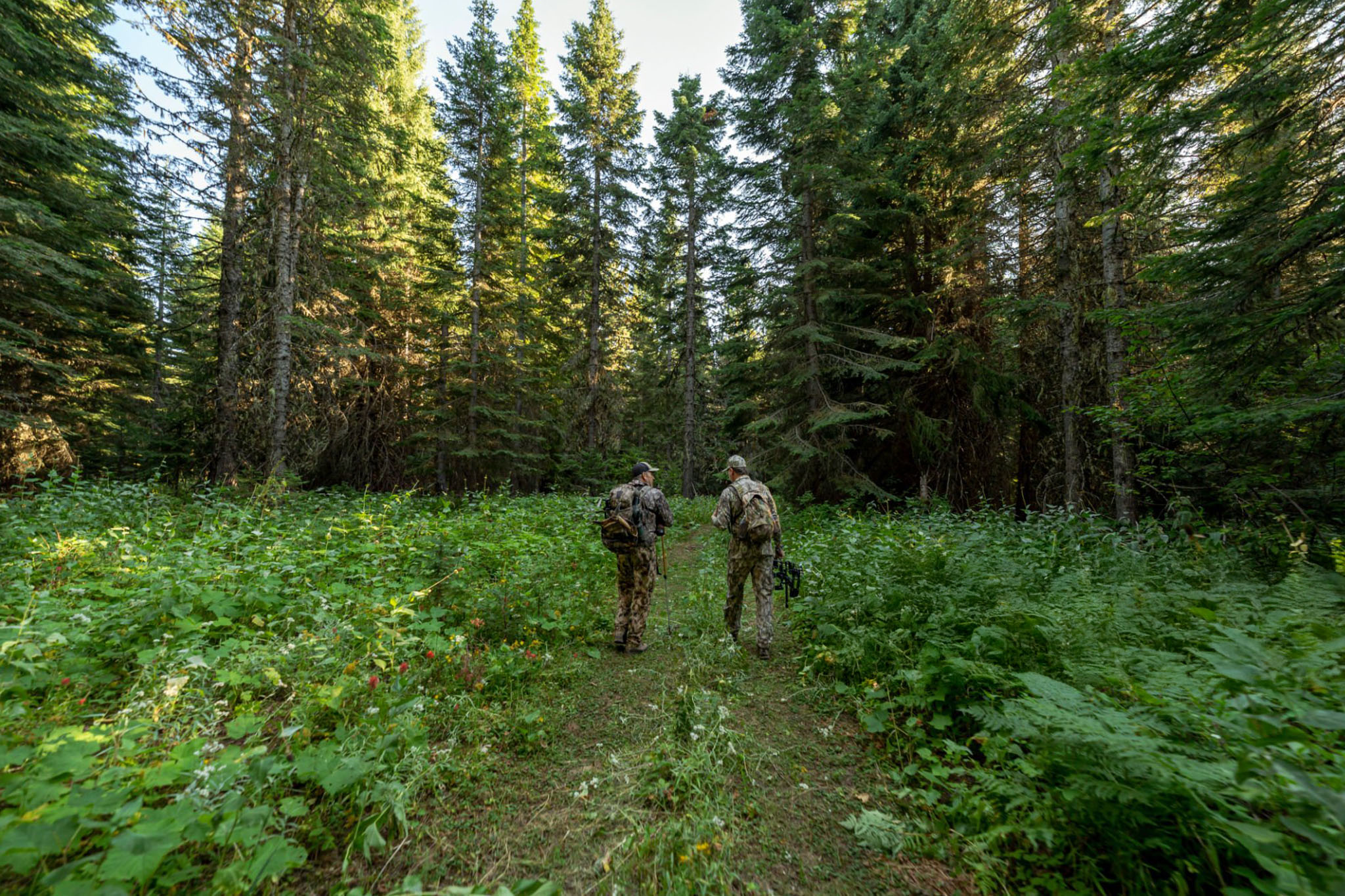
Before the buds break open, before the turkeys start gobbling and the deer move with rhythm again, there’s a stillness that settles over the woods — a kind of quiet that only hunters truly notice. The frost still lingers in the shadows, but the air smells different now — damp, earthy, alive.
This quiet window between winter and spring isn’t dead time. It’s one of the most valuable scouting periods of the entire year. The woods are raw and readable. Trails are unhidden. Scrapes remain frozen in time. If you know how to read the land before it wakes up, you can uncover a season’s worth of secrets before the first green leaf appears.
When Silence Speaks Volumes
Late winter and early spring form a rare balance — not quite the bitter cold, not yet the buzzing life of spring. Animals are conserving energy, food is scarce, and movement is predictable. That makes this moment perfect for observation.
In these quiet weeks, the forest tells stories:
- The old rub lines etched deep into bark show how bucks moved during last fall’s rut.
- Trails packed into frozen leaves reveal steady travel routes from bedding to feeding zones.
- Clusters of droppings or hair mark where herds hunkered down through storms.
With no leaves to block your vision and no bugs to drive you out, every step through the timber feels like a conversation with the land — slow, deliberate, and honest.
The Advantage of Scouting Early
Many hunters wait until late summer to get serious, but that’s when the forest hides its clues. The quiet before the season gives you a clean slate to study.
- No distractions: You can see deeper, farther, and clearer without summer foliage.
- Minimal pressure: Deer, turkey, and small game aren’t spooked easily this time of year.
- Accurate terrain reading: Trails, bedding depressions, and rub lines haven’t yet been overgrown or washed away.
This early preparation isn’t about immediate results — it’s about building a map in your head long before your boots hit the same ground in fall.
Reading the Land: What Nature Leaves Behind
In the still woods, everything that happened during the rut and winter feeding season is recorded in plain sight. The trick is learning to translate it.
1. Trails and Travel Patterns
Look for wide, beaten-down paths in the leaf litter — especially those connecting dense cover to open feeding areas. These aren’t random wanderings; they’re the main arteries of deer traffic. Mark them with a GPS app or subtle flagging tape.
2. Bedding Areas
South-facing slopes, sheltered from the wind, hold flattened patches of grass or leaves where deer bedded down. The position tells you everything about wind direction and security. Those spots often remain prime bedding even into the fall.
3. Rubs and Scrapes
Old rubs with scarred, gray wood show long-term patterns. Fresh rubs or scrapes that survived the snow reveal which bucks made it through the winter. If you find clusters, it’s a territorial hotspot worth revisiting.
4. Droppings and Feeding Signs
Pay attention to droppings’ size and color — dark and moist means recent activity. Torn-up ground, chewed stems, or bark stripping all signal where deer found winter food sources.
Birdsong, Buds, and Behavioral Clues
Even before the woods fully wake, nature begins whispering its plans.
- The first woodpecker drumming or songbird chatter often aligns with deer shifting patterns toward early-spring feeding.
- Turkey scratching in leaf litter appears weeks before mating season peaks.
- Small predators like foxes and coyotes become more active as snowmelt exposes prey trails.
Each sound, print, and feather helps you anticipate what the coming season will bring.
Gear and Comfort for Preseason Scouting
This is a muddy, unpredictable time to be outdoors — cold mornings, wet trails, and slippery slopes. A little comfort goes a long way.
- Waterproof boots like Hisea or Trudave keep you steady when the thaw turns trails to soup.
- Layered outerwear helps regulate temperature when mornings are frosty and afternoons warm up.
- Mapping apps (OnX, HuntStand, Basemap) let you record sign, feeding areas, and travel routes for later.
Scouting before the woods wake up isn’t about covering miles; it’s about paying attention to inches.
Finding the Patterns in Stillness
When everything is quiet, it’s easier to spot the rhythm beneath the surface. Deer might not be moving in herds yet, but their signs — droppings, tracks, and bedding zones — outline how they’ll behave when the green returns.
This early data helps you plan:
- Where to hang stands for prevailing fall winds.
- Which trails connect summer feeding areas to bedding cover.
- What food plots or mineral sites to refresh based on winter usage.
By the time most hunters step into the woods months later, you’ll already know the playbook — because you studied it in silence.
Respect the Quiet
Scouting at this time isn’t just practical — it’s almost spiritual. There’s something sacred about walking through a forest that’s holding its breath. The crunch of frozen leaves underfoot, the smell of damp earth, the echo of a single bird call — it reminds you why you hunt in the first place.
It’s not about the chase right now. It’s about learning, connecting, and preparing. You’re not just reading signs of deer; you’re reading signs of life.
Final Thoughts
Before the woods wake up, they whisper their secrets. Trails, rubs, and feeding zones are easier to see now than at any other time of year. This quiet season, when most hunters are still waiting for warmth, rewards those willing to listen.
The best hunts start long before the season opens — in the silence, in the mud, and in the thawing woods where nature reveals everything it remembers.
So pull on your boots, walk slow, and let the land speak. The quiet before the season is where next season’s success begins.
