
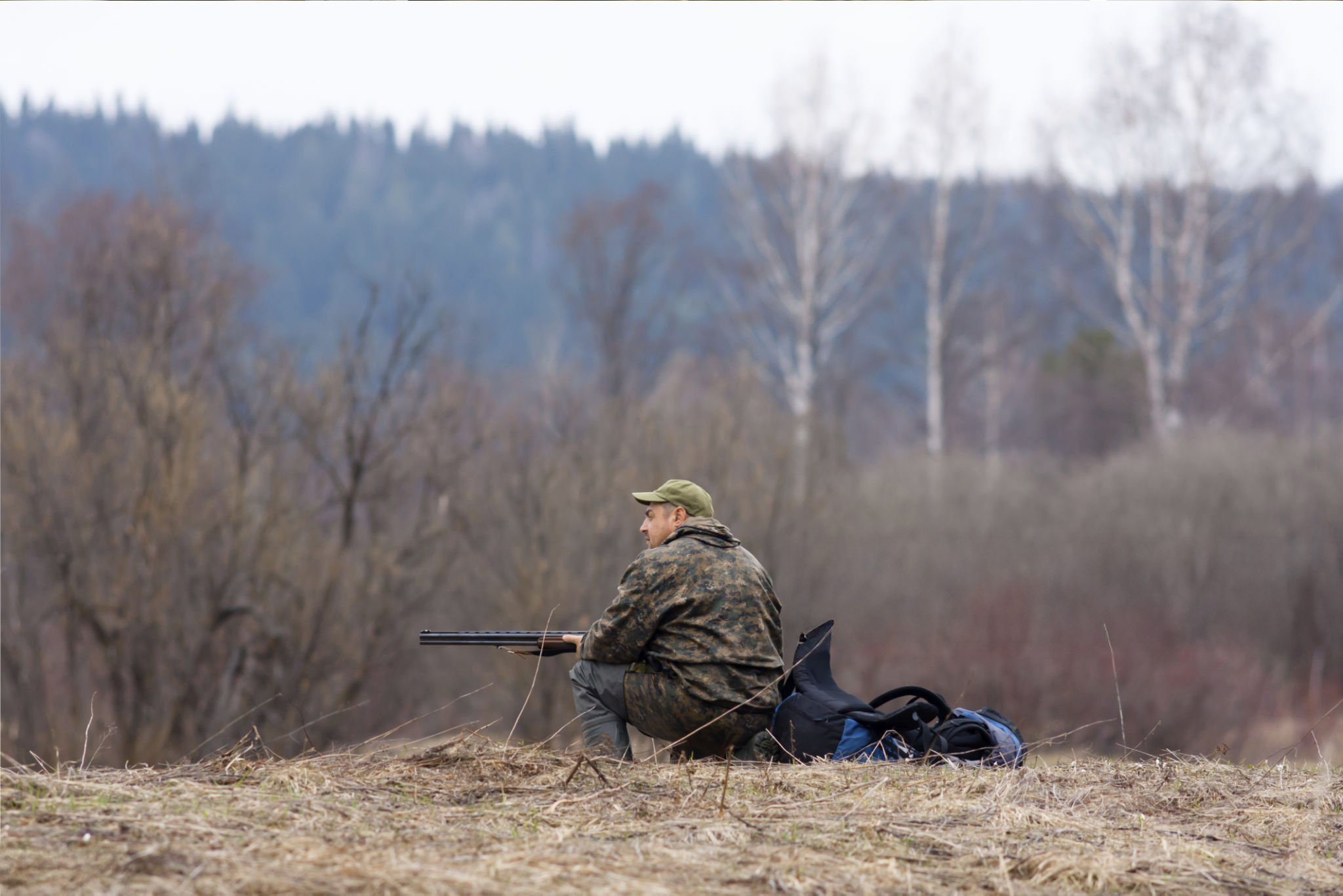
When winter finally loosens its hold and the first patches of brown earth appear through melting snow, deer country starts to change fast. Trails open, tracks appear, and old feeding grounds begin to tell their stories again. For hunters who know how to read them, this early spring window is pure gold — a chance to learn where deer have been, where they’re going, and how to plan for next season’s success.
Early spring scouting isn’t about chasing deer; it’s about reading the land when it’s most honest. With the snow receding, nature pulls back the curtain — revealing trails, bedding areas, and feeding sites that were hidden for months.
The Truth Beneath the Thaw
Winter is harsh on the landscape, but it’s also revealing. As the snow melts, everything the season covered up — tracks, droppings, rubs, and scrapes — becomes visible again. These clues don’t just show you where deer were; they tell you how they survived.
- Matted grass patches often mark winter bedding sites on south-facing slopes where deer caught warmth from the low sun.
- Trails packed into the thawing snow show high-traffic routes between cover and late-season food sources.
- Frozen-over droppings can still indicate recent activity — darker pellets mean fresher sign.
In these first warm weeks, the woods are like a story half-finished — you just have to know how to read the pages before new growth hides the evidence.
Why Early Spring Scouting Matters
Many hunters pack up their gear after deer season and wait until late summer to start again. But by then, the woods have changed — foliage hides trails, deer patterns shift, and human scent can push them off.
Early spring scouting, right after the snow melts, gives you:
- Unfiltered visibility — No thick greenery, no mosquitoes, and no tall grass to block your view.
- True late-season insight — You see how deer behaved under pressure and where they survived.
- Time to adjust strategy — You can plan food plots, stand placement, and access routes months ahead.
This is your off-season advantage — the quiet time when observation pays off more than any call or cam.
Following the Feed: What Deer Eat as Winter Ends
Deer metabolism changes drastically in early spring. After surviving months of scarcity, they’re hungry — and selective.
Look for feeding areas near:
- South-facing hillsides — The first spots to green up, offering tender shoots and early forbs.
- Cutovers and clearings — Sunlight warms these faster, drawing new vegetation and browsing deer.
- Old crop fields and food plots — Leftover corn, soybeans, or brassicas become energy-rich sources until new growth peaks.
You might also notice bark stripping on young trees or digging around roots — both signs of late-winter desperation feeding. Knowing what deer relied on can help you position future plots and mineral sites where they naturally feed.
Mapping Trails and Patterns
As the snow melts, it exposes deer highways — the well-worn trails they used for months. These are more reliable than any track you’ll find in midsummer.
- Primary trails are easy to spot — wide, beaten paths that connect bedding cover to food sources.
- Secondary trails branch off toward hidden thickets or escape routes — ideal ambush points during the rut.
- Bottlenecks and funnels created by terrain features (creeks, ridges, or fences) are prime stand locations.
Use flagging tape or GPS waypoints to mark these now, before the vegetation grows back. Come fall, you’ll already have your routes and setups dialed in.
Bedding Areas and Shelter Clues
As food gets scarce in late winter, deer choose bedding areas with shelter, warmth, and visibility. These locations often repeat year after year.
You’ll recognize them by:
- Flattened grass or leaves in clusters (bedding depressions).
- South-facing slopes protected from the prevailing wind.
- Proximity to thick cover like cedars, pines, or downed timber.
When scouting, move carefully — not to hunt, but to understand. Take note of wind direction, escape trails, and approach routes. These details will matter when the season returns.
Using Technology to Your Advantage
While boots-on-the-ground scouting is unbeatable, combining it with tech gives you a year-round edge:
- Trail cameras: Set them along active transition routes to monitor movement as the weather warms.
- Mapping apps (OnX, HuntStand, Basemap): Overlay last season’s data with what you find now.
- Drones (where legal): Use short flights to locate clearings, water sources, or bedding thickets.
Document everything. The best hunters treat early spring scouting like research — meticulous, patient, and repeatable.
Gear Up for the Melt
Early spring scouting means mud, slush, and unpredictable temperatures. The right gear keeps you dry, steady, and focused.
- Waterproof hunting boots — like Hisea or Trudave — are essential for trekking through thawing ground and shallow creeks.
- Lightweight rain gear keeps you warm without overheating.
- GPS or mapping app helps mark every trail, rub, and bedding site before the forest greens up.
This isn’t glamorous work — but it’s the kind that separates a good season from a great one.
Reading the Story Nature Left Behind
The melting snow tells no lies. You’ll see where deer bedded down through the storms, where predators hunted, and where the strong survived. Each trail, scrape, and feeding site is a clue to a larger puzzle — one that only careful eyes can solve.
There’s a quiet satisfaction in walking those muddy woods, feeling the cold air soften, and realizing you’re already preparing for the next chapter of the hunt.
Final Thoughts
Scouting as the snow recedes isn’t about chasing deer — it’s about understanding them. The land is open, the evidence is fresh, and the window is brief. Before green leaves return and trails disappear, take the time to walk, watch, and learn.
Every step you take now builds the story of next season’s success. The feeding grounds are revealed. The patterns are written in mud and thawing soil. All you have to do is follow them.
