
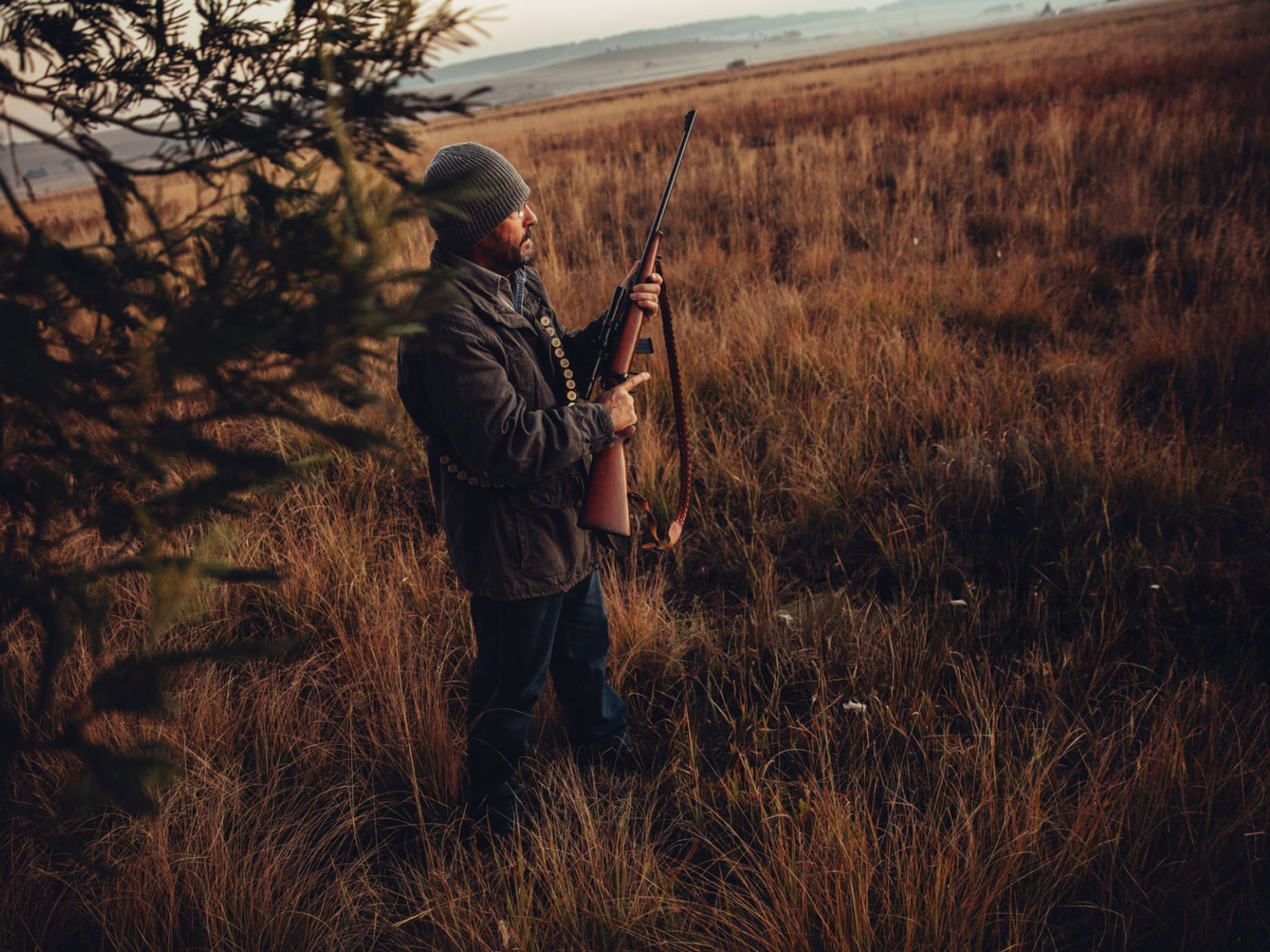
When the last waves of migrating ducks have faded into the southern horizon and the marsh lies still beneath a skin of frost, most hunters pack up their blinds and call it a season. But for those who stay — the ones who cherish the solitude, the silence, and the lessons hidden in the cold mist — the empty marsh becomes more than just a hunting ground. It becomes a teacher.
Late-season waterfowling isn’t about filling limits or chasing flocks; it’s about rediscovering what drives us to the marsh in the first place — patience, humility, and connection.
When the Marsh Goes Silent
There’s a strange beauty in a frozen wetland at dawn. The cattails stand brittle, the wind carries no sound, and every movement — even the soft clink of your decoy line — feels amplified. The birds are fewer, warier, and far less forgiving. Yet that’s what makes the experience powerful.
In the quiet season, every detail matters: the direction of the wind, the shimmer of ice along the bank, the faint murmur of a lone mallard overhead. Without the chaos of the early migrations, you begin to hear the marsh — the drip of melting frost, the rustle of a muskrat, the sigh of the wind through frozen reeds.
These are the echoes of nature’s stillness, reminders that the hunt isn’t always about noise or motion, but about being present.
Adapting to the Silence
Hunting during this late stage demands adaptation. When ducks become scarce, loud calling and large decoy spreads lose their magic. Instead, subtlety rules.
- Downsize Your Spread: Use fewer decoys — maybe just a small family group — to create a more natural appearance. Late-season ducks have seen every decoy pattern imaginable.
- Mimic Real Behavior: Mix in sleeping and resting postures. Spread them tight together in ice-free pockets to simulate comfort and security.
- Tone Down the Calling: Replace aggressive hail calls with soft quacks or feeding chuckles. Sometimes, silence itself is the best call of all.
The empty marsh teaches discipline — restraint instead of reaction, observation instead of impulse.
Weather, Ice, and Opportunity
Late-season success often comes to those who understand the relationship between weather and bird movement.
- Warm Fronts: When a mild front thaws the edges of frozen ponds, ducks return to feed.
- Cold Snaps: Sudden freezes push birds into smaller areas of open water — perfect ambush spots if you’re prepared.
- Wind Direction: A steady north wind following a cold front often brings late migrants looking for open refuge.
When most hunters have given up, being ready for these short-lived opportunities can mean the difference between an empty strap and a memorable morning.
Gear for the Quiet Season
Subzero hunts test not only your patience but your equipment. The late-season hunter must think like an Arctic traveler — every piece of gear must serve a purpose.
- Insulated Waders & Base Layers: Prevent heat loss during long sits in icy water.
- Hand Protection: Use muff-style handwarmers or insulated gloves that allow trigger control.
- De-Icing Tools: Keep a small shovel or spud bar to break skim ice at your set.
- Reliable Firearms Maintenance: Use cold-weather lubricants and avoid over-oiling to prevent jams.
In the quiet season, gear failure isn’t inconvenient — it’s game-ending. Preparation becomes its own discipline.
Lessons Beyond the Hunt
The empty marsh has a way of revealing truths that are easy to miss in the bustle of early season excitement. It teaches patience — the kind that comes from waiting hours for a single bird. It teaches humility — when your decoys freeze in and the ducks never show. And most of all, it teaches gratitude — for the warmth of the sunrise, for the breath in your lungs, for the wild beauty that asks nothing in return.
Every hunter who’s sat in a blind on a windless January morning knows the feeling: the quiet ache of stillness, the deep sense that you’re part of something older than yourself.
The marsh doesn’t always reward you with birds. Sometimes, it gives you something better — perspective.
Finding Meaning in the Stillness
When the echoes fade and the water stills, that’s when the real lessons sink in. The quiet season reminds us that hunting isn’t about constant action; it’s about connection — to nature, to tradition, to self.
The solitude strips away the noise of the world. It forces you to listen — not to calls or wings, but to the pulse of the land itself. The empty marsh is not barren; it’s full of life waiting to begin again.
So stay a little longer. Watch the frost melt from the reeds. Feel the weight of the season settle into your bones. Because sometimes, the best hunts aren’t measured in shots fired or limits filled, but in the still, echoing moments that stay with you long after you leave the marsh behind.
