
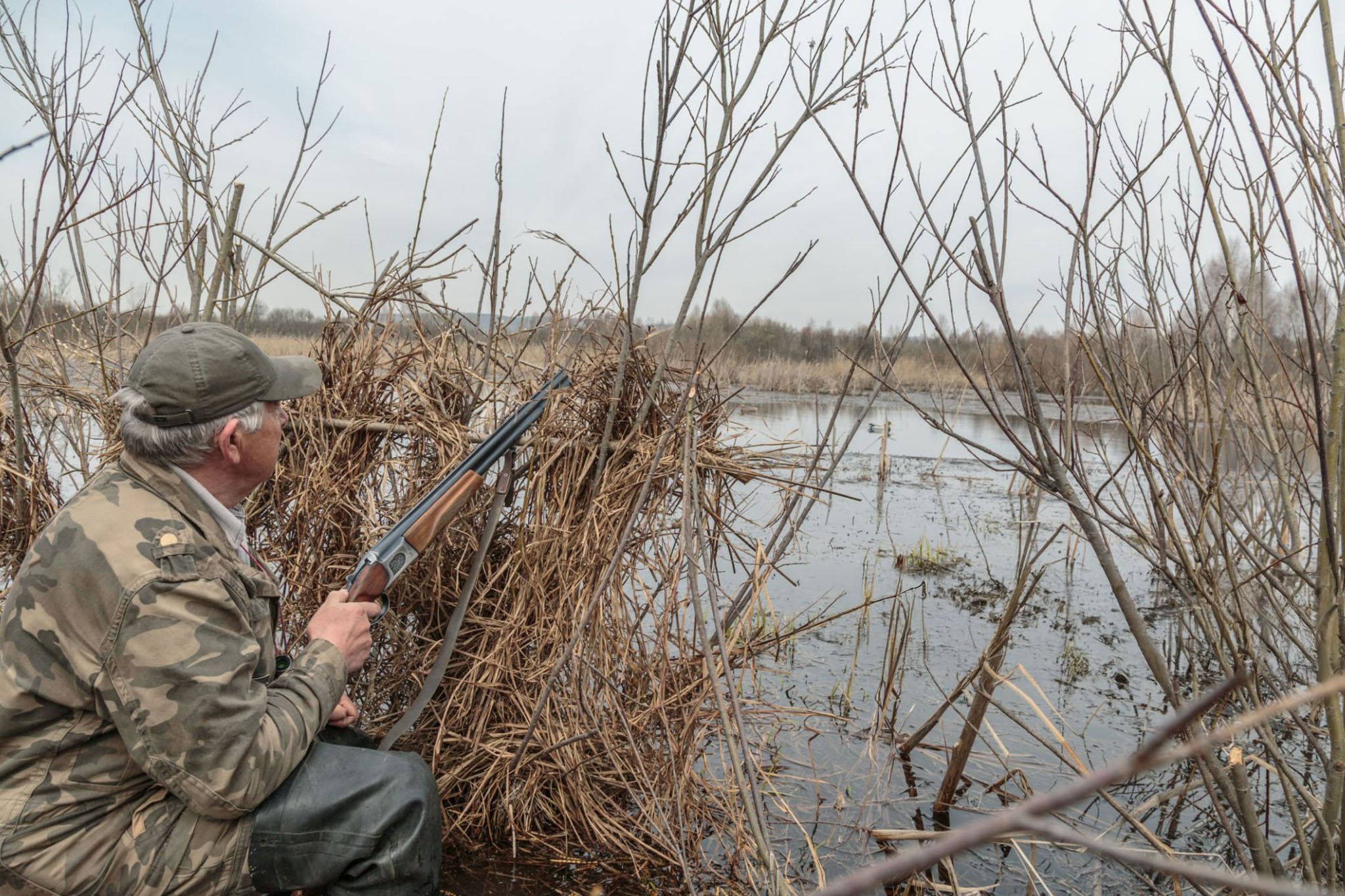
When the air turns sharp and the first cold front rolls through, duck hunters across the country feel that unmistakable pull — it’s go time. The drop in temperature, the shifting winds, and the unsettled skies don’t just mark a change in the weather; they signal the arrival of new birds and some of the best mallard hunting of the season.
Cold fronts act as natural migration triggers. They reshape duck behavior, shift feeding patterns, and concentrate birds in predictable ways — if you know what to look for. Understanding how to read a front, when to hunt it, and how to adapt your setup can make the difference between an empty spread and a day you’ll never forget.
Here’s how to make cold fronts work for you.
1. The Science Behind the Front: What It Does to Ducks
A cold front isn’t just about frigid air — it’s a moving weather boundary that changes everything about how ducks behave. When the front approaches, the barometric pressure drops, winds increase, and temperatures plummet. For mallards, that’s the signal to move.
Before the front, ducks feed aggressively to build energy reserves. You’ll often see large groups trading between fields and open water, feeding longer and more frequently.
During the front, winds kick up and temperatures dive, pushing northern birds south. This is when new flocks ride the storm and arrive in droves — tired, hungry, and looking for food and rest.
After the front, things stabilize briefly. The fresh birds settle in, while local ducks adjust to new conditions, often feeding later in the day as they recover.
That’s the window — the 48 hours surrounding a major front — where mallard hunting often reaches its peak.
2. Reading the Weather Like a Duck Hunter
Mallards are predictable in their unpredictability. They don’t migrate on a calendar; they migrate on the wind. Knowing how to interpret weather forecasts gives you the edge.
Here’s what to watch for:
- Temperature Drops: A fall of 10°F or more in 24 hours is a strong migration signal.
- North or Northwest Winds: Ducks ride tailwinds south, especially steady 15–25 mph flows.
- Barometric Pressure Rise: After a front passes, clear skies and rising pressure mean fresh birds are loafing in new areas.
- Precipitation Type: Rain often precedes a front; snow and sleet accompany it. Both can create prime movement days.
When the forecast shows these conditions aligning, start packing the truck. That’s your greenlight.
3. Timing the Hunt: Before, During, and After the Front
Each stage of a cold front brings different hunting opportunities — the key is knowing when to strike.
- Before the Front: Birds are feeding heavily. Set up near ag fields, flooded corn, or moist-soil flats where mallards can load up. Use motion decoys to mimic high activity.
- During the Front: Wind and precipitation make flying tough. Focus on sheltered water — creeks, timber holes, or windbreaks. Birds seek refuge.
- After the Front: Fresh arrivals explore new territory. Scout mid-morning or afternoon for loafing and feeding activity. Birds may shift daily as ice forms or melts.
The best hunts often happen within the first day after the front clears, when visibility improves, and hungry migrants are looking for the first safe place to land.
4. Adapting Your Spread and Setup
Cold fronts change not only duck movement but also how they respond to decoys and calling. To stay convincing:
- Use Larger Spreads: Migrating flocks are big. Show them safety in numbers with 3–5 dozen decoys if space allows.
- Add Variety: Mix in pintails, gadwalls, or coots to create realism and contrast.
- Work the Wind: Mallards land into it. Position your decoys and blinds so they finish right in your face with the wind at your back or quartering.
- Call with Purpose: Pre-front birds respond to excited feeding calls. Post-front ducks are tired — tone it down with soft quacks and content chatter.
A flexible setup beats a fixed plan every time. Let the weather dictate your presentation.
5. Staying Safe and Comfortable in the Storm
Cold fronts bring excitement, but they also bring danger. High winds, icy water, and plummeting temps can turn risky fast.
Smart safety and comfort tips:
- Layer properly — base, insulation, and waterproof shell. Avoid cotton.
- Keep extra gloves and socks in a dry bag.
- Always wear a life jacket in a boat or when crossing icy water.
- Bring a thermos, snacks, and a hand warmer — fatigue kills focus.
Comfort equals endurance, and endurance keeps you in the blind when the flight finally happens.
6. The Rewards of the Rough Weather
There’s a reason experienced hunters call it weathering the storm. These aren’t easy hunts. You’ll fight wind, freezing rain, and numb fingers. But when the front hits just right and a group of greenheads drops low against the gunmetal sky, you remember why you do it.
Cold fronts separate casual hunters from die-hards. They demand awareness, timing, and resilience. Yet, they deliver the kind of days that define a waterfowler’s season — the days when your decoys are iced over, your coffee’s gone cold, and your grin won’t fade.
Because when the storm rolls through and the mallards are flying, you’re not just hunting — you’re in rhythm with nature itself.
Final Thoughts
Cold fronts are more than weather events — they’re migration engines. For hunters who understand their rhythm and are ready to adapt, they offer unmatched opportunities to connect with fresh birds and unforgettable hunts.
So when the next front appears on the forecast, don’t pack it in — load up, layer up, and head out. The storm isn’t a setback. It’s your sign.
