
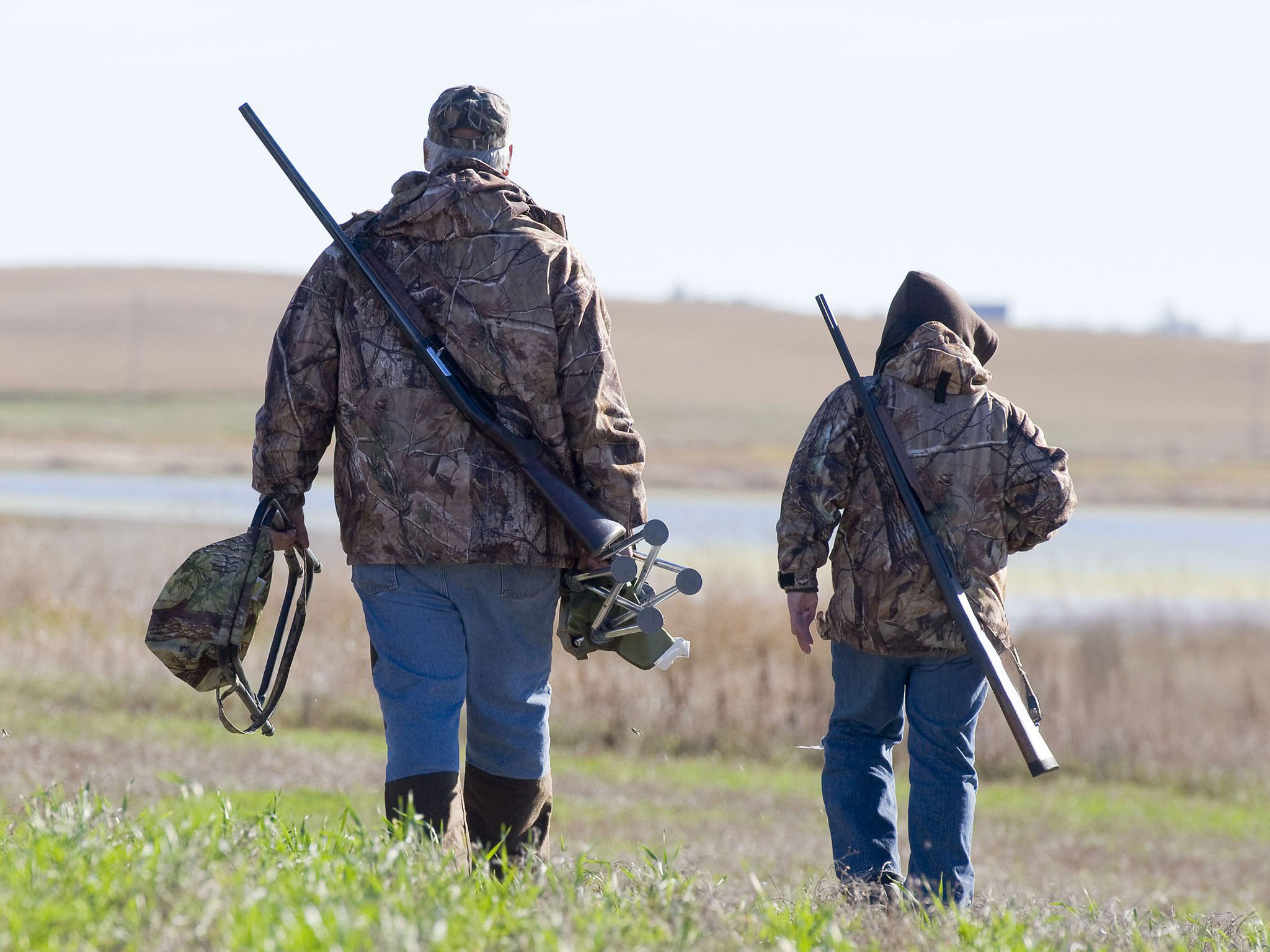
As the final days of hunting season roll in, the woods grow quiet. The rut has faded, the ducks have pushed south, and the cold settles in with a kind of finality that reminds every hunter—this is the end of the line. It’s a bittersweet time, full of reflection, appreciation, and, if done right, intention. The late season isn’t just about squeezing in one more hunt; it’s about finishing strong, honoring the land, and carrying forward the lessons learned from months in the field.
1. Reflecting on the Season: More Than Just a Tag Count
It’s easy to measure a season by the number of deer harvested, ducks bagged, or tags punched. But seasoned hunters know that real success runs deeper. Each hunt, whether successful or not, tells a story—of patience tested, instincts sharpened, and time well spent in nature’s rawest classroom.
Take time at the end of the season to look back. What did the wind teach you about movement? How did changing food sources alter the patterns of your quarry? What gear worked, and what needs upgrading before next fall? A written journal or even quick notes in a phone app can turn a fading memory into wisdom for next year’s opener.
2. Respecting the Resource: Leave the Land Better Than You Found It
As the season winds down, this is the moment to show real respect for the places that made it possible. Too often, hunters focus on what the land gives but forget what it needs in return. Pick up spent shells, retrieve any leftover decoy lines, and dismantle blinds responsibly.
If you hunt private land, thank the landowner directly—it goes a long way. On public land, consider small acts that help sustain it, such as reporting damage, volunteering for cleanups, or helping with habitat restoration projects. Conservation begins not in speeches, but in quiet, consistent action.
3. Ethical Endings: Knowing When to Call It
The temptation to “get one more” often drives late-season hunts. But true hunters know when enough is enough. If conditions are harsh, wildlife is struggling, or you’ve already had a good season, stepping back can be an act of respect.
Migratory birds, for instance, face immense stress during late-season weather swings. Allowing them a few safe havens by skipping overpressured areas helps ensure healthy populations next year. Likewise, whitetail deer often face limited food sources in deep cold—harvesting selectively rather than aggressively supports herd health.
Closing the season ethically isn’t about restraint alone—it’s about foresight and stewardship.
4. Maintenance and Mindset: Preparing for the Next Chapter
The end of the season is the perfect time for maintenance. Clean and oil firearms, sharpen knives, wash and store cold-weather gear, and check for repairs before storage. Don’t neglect your boots, waders, and packs—dry them thoroughly and treat materials properly to extend their life.
But just as important is maintaining your mindset. A reflective pause between seasons keeps burnout at bay. Maybe you review trail camera footage, scout winter sign, or plan habitat improvements for spring. The cycle of hunting never truly stops—it just shifts focus from harvest to renewal.
5. Gratitude in the Quiet: Why Respect Makes Better Hunters
Every true hunter knows that hunting isn’t just a sport—it’s a relationship. Between human and habitat, predator and prey, challenge and humility. Ending the season with respect closes that circle properly.
Take a final walk through your favorite spot. Watch how the frost hangs in the air, how the silence feels different now that the chase is over. There’s gratitude in that stillness. Gratitude for the animals pursued, the time outdoors, and the deep connection to something far older than ourselves.
That respect, that gratitude—it’s what keeps the hunting tradition alive and honorable.
Final Thoughts
As you hang up your rifle or store away your calls, remember that how you end the season matters just as much as how you began it. Close it with intention. Reflect on the lessons. Respect the land and the wildlife that made your hunts possible.
Because when the snow melts and the green returns, you’ll be ready—not just as a better hunter, but as a better steward of the wild.
