
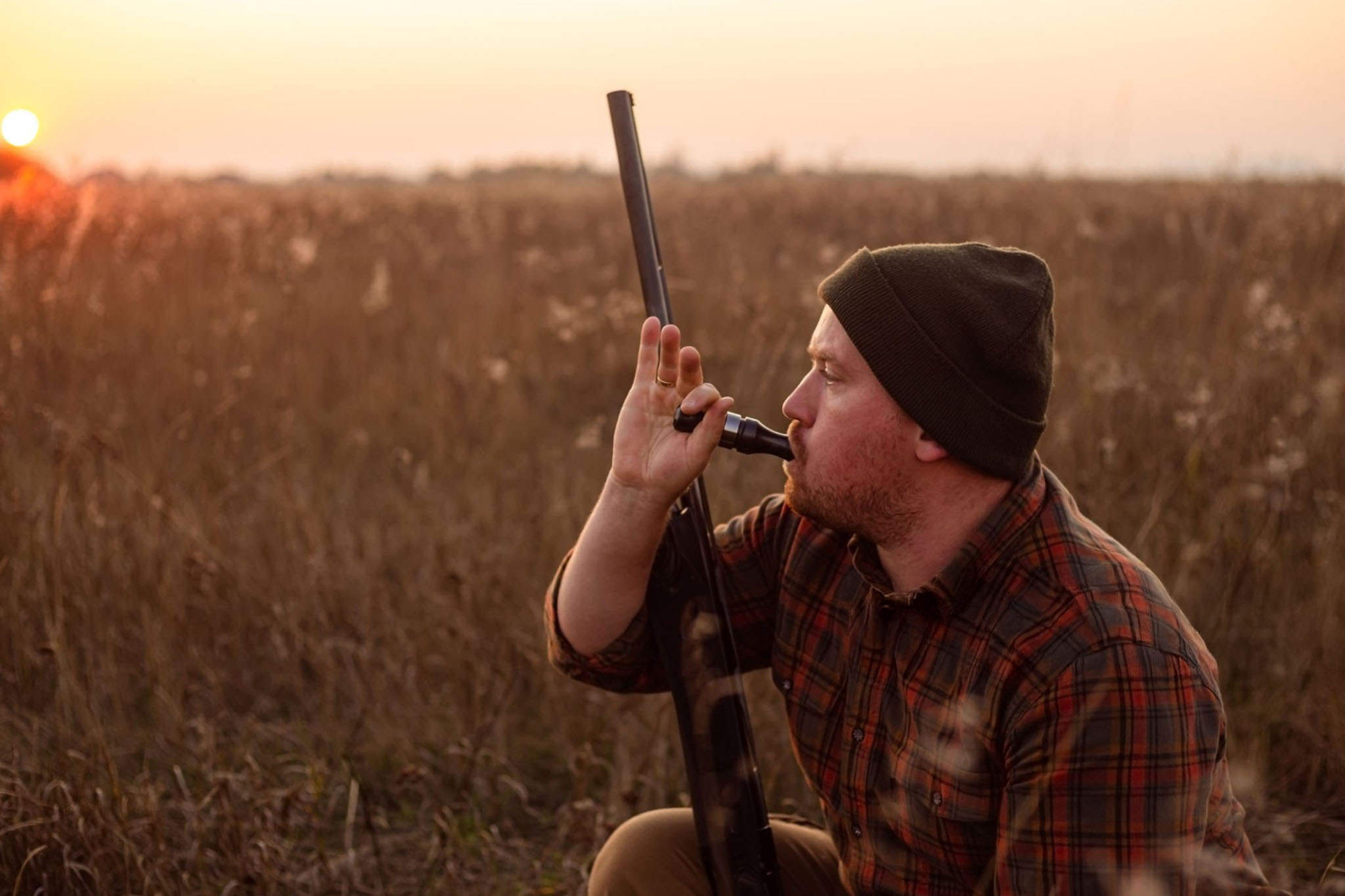
As the migration season stretches into its final weeks, waterfowl behavior becomes less predictable — and more weather-dependent. By late fall and early winter, most of the easy birds have already moved through, leaving behind wary flocks that respond to subtle shifts in temperature, pressure, and wind. For hunters looking to finish strong, learning how to read the weather is the key to unlocking those final, memorable hunts.
1. Understanding the Late-Migration Weather Connection
When the big northern flights are over, weather becomes the main trigger for duck and goose movement. These late-season birds are driven by necessity — food scarcity, freezing conditions, and tailwinds that make long migrations possible. A mild stretch of weather can stall migration for weeks, while one sharp cold front can open the floodgates overnight.
Hunters who understand these patterns — who watch not just the thermometer but the barometer and wind direction — position themselves to intercept fresh, moving flocks rather than stale, local birds.
2. The Power of Wind Direction and Speed
Wind might be the single most important weather factor in waterfowl hunting. It dictates where birds land, how they approach decoys, and even whether they’ll fly at all.
- Tailwinds and Migration: Strong north winds after a cold front often bring fresh birds. Ducks prefer to ride the wind south, conserving energy on their journey.
- Crosswinds and Feed Fields: Moderate side winds create perfect conditions for feeding flights, allowing birds to angle into fields or marshes comfortably.
- Calm Days: Still air can make birds wary — sound carries farther, and decoys appear lifeless. On these days, subtle motion decoys and realistic calling can make all the difference.
Smart hunters always set their spreads and blinds with wind in mind. Position your blind so birds approach from the side or corner rather than head-on, allowing for better shot angles and less chance of spooking them.
3. Watching the Barometer: Pressure Predicts Movement
Changes in barometric pressure tell you more about duck behavior than most hunters realize.
- Falling Pressure (Before a Storm): Birds often feed heavily and move frequently before a front, anticipating difficult conditions ahead.
- Rising Pressure (After a Storm): Clear skies and cold air often follow — ducks tend to loaf and rest more, making mornings and evenings your best bet.
- Steady Pressure: When conditions remain consistent, so does bird behavior. These days are all about scouting and finding where birds are already comfortable.
Keeping a small weather journal or using an app that tracks pressure changes can help you connect the dots between bird movement and barometric shifts in your area.
4. Temperature: The Freeze Line Factor
The “freeze line” — where open water meets ice — becomes the heart of late-season hunting.
- North of the Freeze Line: Birds move south, seeking open water and food.
- Along the Freeze Line: Expect heavy migration days as ducks hopscotch between open pockets of water.
- Far South: Once deep freezes lock up northern regions, southern states see their best hunting of the year.
For the serious waterfowler, tracking the freeze line on weather maps can help predict where fresh birds will arrive next. Hunters who stay mobile — willing to chase the edge of open water — will always be one step ahead.
5. Cloud Cover and Visibility: Setting the Mood for Success
Light and sky conditions also affect duck behavior.
- Overcast Days: Birds fly lower and longer. These are perfect for mid-morning hunts when ducks are exploring for new feed areas.
- Sunny Days: Visibility is high, making concealment crucial. Use natural cover and avoid shiny gear.
- Snowfall or Mist: Low-visibility weather makes birds feel secure, often leading to close-range decoying.
By adjusting your calling and decoy setup to match visibility — quieter calls and motion decoys on calm, clear days; louder and flashier setups in poor visibility — you’ll adapt better to what the weather gives you.
6. Using Weather Apps and Field Observations Together
Technology is a powerful ally for late-season hunters. Apps like Windy, Weather Underground, or ScoutLook Hunting provide real-time data on wind shifts, barometric trends, and temperature changes. Combine that with personal field notes — bird activity, preferred wind directions, time of day — and you’ll soon start to see repeatable patterns that guide your setups.
7. Final Thoughts: Adapt Like the Birds
Late-migration hunting isn’t about luck — it’s about timing, patience, and adaptability. Birds that have survived a long migration are sharp, educated, and highly responsive to environmental cues. Hunters who can read the weather with the same instinctive precision will always find themselves one step ahead.
When the north wind blows and the barometer drops, don’t hesitate — get out there. The sky might just come alive with wings riding the wind, and your next unforgettable hunt could be moments away.
