
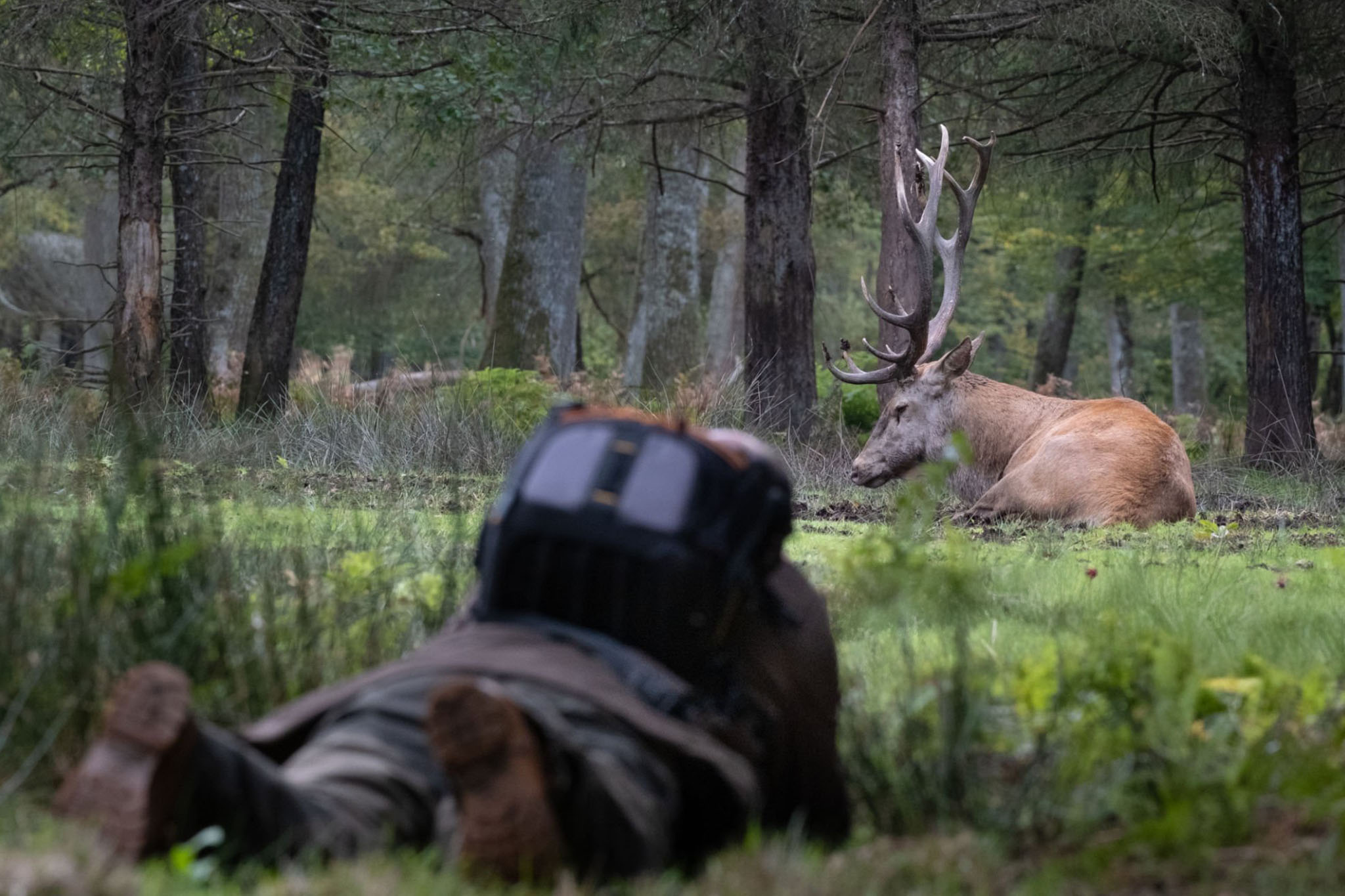
When the woods quiet down, snow begins to crunch underfoot, and the orange army has packed up for the year, late-season deer hunting begins its most rewarding chapter. The chaos of the rut is over, and bucks that survived the gauntlet of gunfire are now focused on one thing: survival. For hunters who stay in the game, this period—defined by frost, fatigue, and focus—offers a golden opportunity to tag one of the season’s most elusive trophies.
The Late-Season Mindset: Why Patience Wins Now
By late December and January, most hunters are burned out. The easy deer have been taken, and the survivors have earned their stripes. Bucks that remain are cagey, nocturnal, and tuned in to every sound and scent in their environment. But this is exactly why late-season hunting is so satisfying—it’s a chess match between hunter and survivor.
Success now doesn’t come from covering miles or running aggressive calls; it comes from reading conditions, understanding behavior, and executing perfect setups. Every move matters.
Post-Pressure Patterns: How Deer Reset After the Season Rush
Once the rut and peak hunting pressure end, deer fall back into security-first routines. Their home ranges shrink drastically, and they confine their movement to thick cover, bedding sanctuaries, and short travel routes to reliable food sources.
Key late-season patterns to understand include:
- Conservation Mode: Bucks limit movement to conserve calories. They feed once or twice daily, often during the warmest daylight hours.
- Security Over Abundance: Even if a field is loaded with food, deer won’t risk exposure unless they feel safe. Smaller, quieter feeding areas often produce better daylight activity.
- Predictable Travel: With their priorities narrowed to food and safety, bucks often take the same path between bedding and feeding until conditions change.
These consistent habits make patterning possible—but only for hunters who scout with precision and minimize intrusion.
Food Is the Focus: The Late-Season Magnet
When winter locks down the landscape, food becomes the gravitational center of all deer activity. Whether you’re in farm country or big timber, identifying the remaining calorie sources is the first step to success.
Top Late-Season Food Sources:
- Standing Corn or Soybeans: These act like deer buffets in freezing temps, providing energy and warmth through digestion.
- Brassica Plots: Turnips, radishes, and winter wheat stay palatable deep into winter, drawing consistent traffic.
- Acorns and Browse: In wooded areas, leftover mast and woody browse like honeysuckle or greenbrier become key.
- Edge Cover Crops: Deer often hit small, overlooked patches of clover or rye before dark—especially those near heavy cover.
Find the food, and you’ll find the survivors. But the trick lies in hunting these areas without alerting them.
Thermal Bedding: The Cold-Weather Comfort Zone
Bucks conserve energy by bedding in thermal cover—areas that block wind and capture warmth. These include south-facing slopes, cedar thickets, or pine stands that retain heat through insulation.
The combination of sun exposure and reduced wind chill makes these zones ideal daytime sanctuaries. Hunters who can identify bedding on aerial maps or from past-season scouting should focus on staging areas between these beds and nearby food sources.
A perfect late-season setup often involves an ambush within 100–200 yards of such a bed—close enough to catch daylight movement but far enough to avoid spooking the target.
Weather Watch: When Conditions Create Opportunity
Late-season deer are creatures of habit—until the weather changes. Cold fronts, snow events, and brief warm-ups can reset movement patterns overnight.
- Before a Front: As temperatures plummet and pressure rises, deer feed aggressively.
- After Snowfall: Expect a temporary lull, followed by heavy feeding within 24–48 hours as they dig out.
- Midday Warm-Ups: On brutally cold days, bucks often move between 11 a.m. and 2 p.m. to take advantage of the day’s warmest hours.
Hunters who align their sits with these brief feeding windows consistently see more daylight activity.
Stealth Above All: Pressure Management
After months of hunting, deer know what human intrusion feels like. Late-season success often depends on not being detected—ever.
A few rules for stealth:
- Don’t overhunt spots. Once a buck senses danger, he’ll shift patterns or go nocturnal.
- Use quiet entry and exit routes. Frozen leaves and ice make noise—time your walk for softer snow or crosswinds.
- Control scent meticulously. Cold air traps odor at ground level, so use ozone or activated carbon layers if possible.
- Stay flexible. Mobile setups like saddles or pop-up blinds let you adjust without adding pressure.
Late-season hunting rewards subtlety. Sometimes sitting back 50 yards from the obvious trail and waiting for an angle is the smarter play than diving straight in.
Gear That Matters in the Freeze
Hunting in subfreezing weather adds another layer of challenge. Comfort, mobility, and silence are essential.
- Base Layers: Moisture-wicking wool or synthetic blends keep you dry.
- Outer Layers: Windproof, quiet fabrics (like fleece-lined soft shells) are ideal.
- Boots and Socks: Insulated waterproof boots paired with wool socks prevent heat loss through your feet.
- Hand Warmers & Battery Heat: Staying still is easier when you’re warm—especially during long afternoon sits.
Being uncomfortable leads to fidgeting, which leads to movement, which leads to blown hunts. Dress smart, stay patient, and you’ll last longer in the stand than your competition.
Mind Over Frost: The Late-Season Reward
Late-season hunting is as much about mindset as it is about method. It’s cold, slow, and demanding—but that’s what separates casual hunters from those who hang another set of antlers on the wall.
The woods are quiet now. The pressure is gone. Every track in the snow tells a story—and with focus and discipline, that story can end with your tag on a buck that’s survived it all.
