
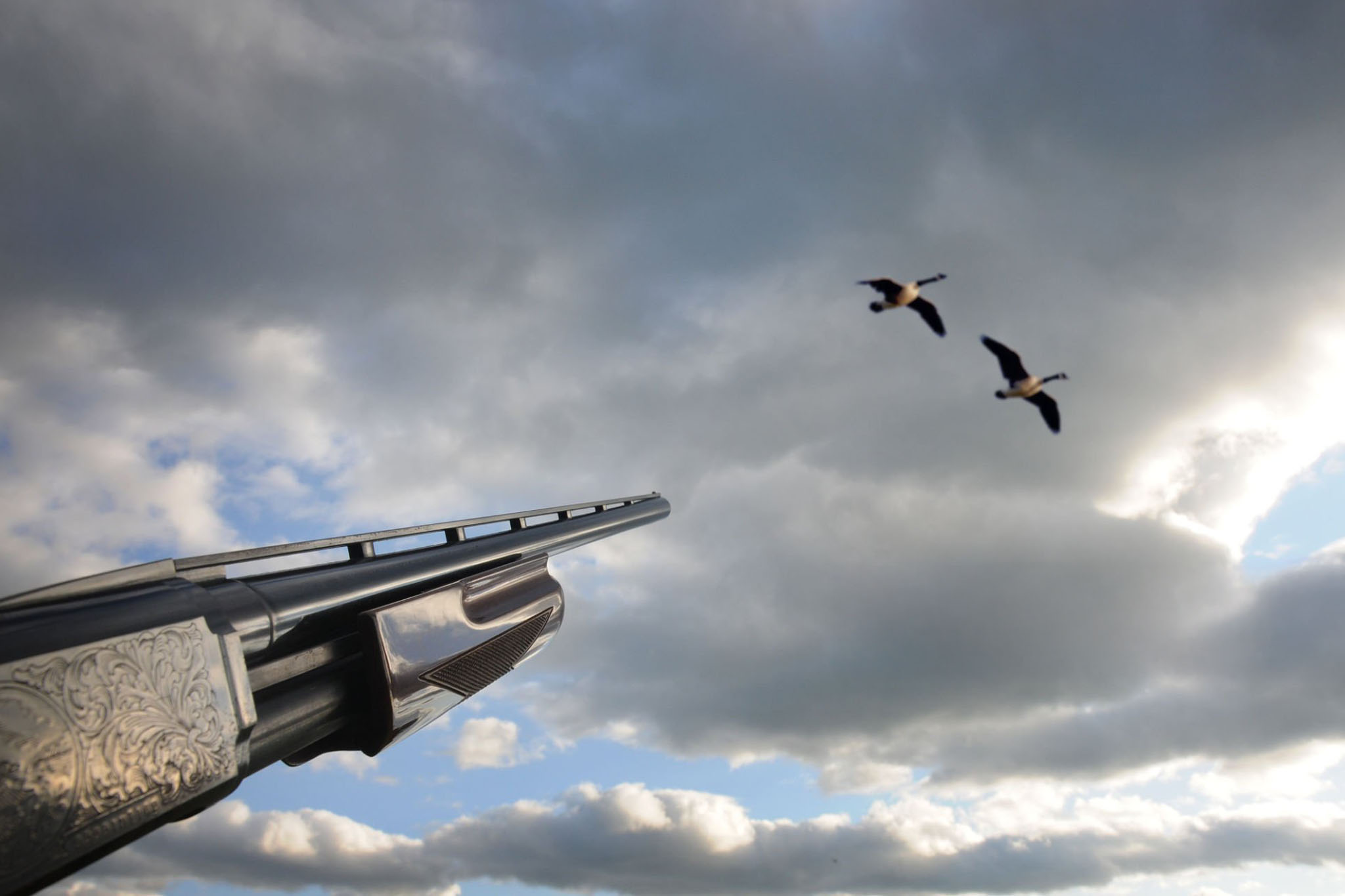
When most hunters pack it in by 10 a.m., convinced the ducks have gone dormant, the patient few know better. Late-season weather swings—those wild shifts from freezing mornings to sunlit afternoons—can flip the feeding switch in waterfowl, creating rare midday windows that separate limit-fillers from empty lanyards. Understanding how temperature, wind, and barometric pressure interact can turn an “off” day into one of your best hunts of the season.
The Science Behind Midday Feeding Flights
Waterfowl are creatures of habit, but weather breaks that habit. When cold fronts push through or temperatures rise rapidly after a hard freeze, ducks and geese adjust their feeding behavior to conserve energy.
During consistent cold stretches, ducks typically feed heavily in the early morning and late afternoon to build up calories for overnight warmth. But when a sudden warm-up occurs—say, temperatures jump 10–20°F by midday—those birds thaw out just like the water they depend on. Ice loosens, feeding grounds reopen, and waterfowl take advantage of new food sources that weren’t accessible hours earlier.
In contrast, when a front is approaching and the pressure drops, birds instinctively feed more frequently to prepare for difficult flying or reduced visibility. That’s why you’ll often see increased movement between 11 a.m. and 2 p.m.—a window most hunters miss entirely.
Temperature Swings and Ice Melt Opportunities
Shallow marshes, flooded timber, and sheet-water fields respond quickly to rising temperatures. On sunny days, even a light thaw can create just enough open water to attract ducks searching for corn, acorns, or aquatic vegetation.
Mallards and pintails, in particular, will take advantage of these short-lived openings, often dropping in after hours of roosting in deeper water. Smart hunters keep an eye on south-facing banks and dark mud areas that absorb sunlight—these micro-climates can warm faster and draw birds during midday.
Pro tip: Use a digital thermometer or weather app to monitor small temperature spikes. A five-degree bump might not sound like much, but it can be enough to break the ice—literally.
Barometric Pressure: The Silent Signal
Few factors influence duck activity like barometric pressure. Rising pressure after a front passes typically slows feeding, while falling pressure—especially right before a storm—ramps it up. Ducks sense that change long before the rain or snow hits, and they move accordingly.
Hunters who track these trends know when to stay in the blind longer. A sudden dip in pressure around midday, even on a seemingly calm day, often sparks surprise flights.
Pair your pressure readings with cloud cover: low, gray skies tend to encourage movement, while bright, still days may suppress it until the light starts to fade again.
Wind Direction and Midday Shifts
When morning winds die off and thermals begin to rise, ducks often relocate to different feeding zones that align with the new wind direction. A shift from north to southwest can pull birds off big water and into protected coves or flooded fields where they can rest and feed comfortably.
Watch your decoy spread during these periods—what looked natural at dawn might need an adjustment by noon. If you notice birds circling but not committing, try repositioning decoys to match the fresh wind line and open up landing zones facing the direction of travel.
Adapting Your Strategy for Midday Hunts
- Stay Late, Hunt Light:
Many hunters make the mistake of leaving too soon. Pack a thermos, lunch, and patience. As pressure drops or temps rise, those empty skies can suddenly fill with ducks. - Keep the Spread Small and Realistic:
In the middle of the day, ducks tend to move in pairs or small flocks. A modest setup of 8–12 decoys, spaced naturally, often outperforms massive morning spreads. - Use Motion Wisely:
When the wind dies, a jerk cord or spinner on low speed can simulate relaxed feeding activity. Subtle ripples on calm water are often the cue that brings in curious birds. - Scout Afternoon Resting Areas:
Ducks often shift feeding zones midday, then loaf in adjacent pockets or flooded grass before evening flights. Identifying those hideouts can double your success rate.
Reading the Weather Like a Pro
Invest in a quality weather app that tracks hourly forecasts, wind direction, and pressure changes. Combine that with your own field notes—where you hunted, what time you saw movement, and what the weather was doing. Over time, patterns will emerge.
You’ll begin to notice that “dead” mornings often precede excellent midday flights, especially following a night of freezing temperatures or right before a major cold front hits.
Final Thoughts: Embrace the Swing
The next time the temperature rises and everyone else heads for the truck, stay put. Weather swings don’t just change the atmosphere—they reset the entire rhythm of the hunt. Ducks feed when nature tells them to, not when the clock says they should.
By paying attention to temperature, pressure, and wind, you can be there when the midday magic happens. Because sometimes, success isn’t about hunting harder—it’s about hunting smarter in sync with the sky.
