
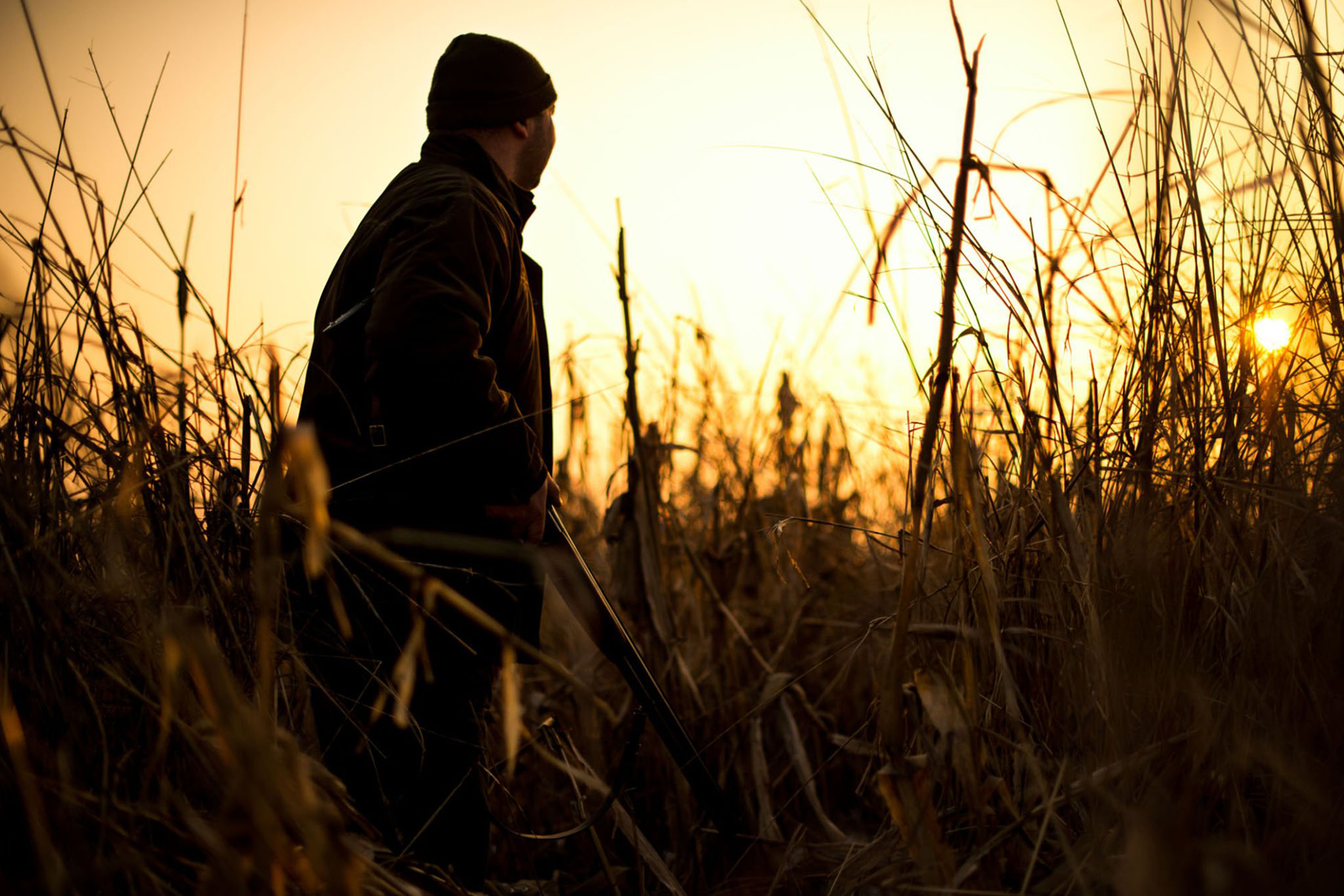
When the woods grow silent and the parking lots at the trailhead sit empty, that’s when the true hunters emerge. The end of the season — when frost coats the fields, the wind howls through bare timber, and even die-hard sportsmen hang up their gear — offers something most will never experience: the profound beauty of solitude. Hunting when everyone else has quit isn’t about easy success or overflowing game bags; it’s about reconnecting with the raw essence of the wild.
For those who stay after the crowds fade, the rewards go far beyond the kill.
1. Silence as a Strategy: The Edge Few Hunters Use
By late winter, the forest feels like it’s holding its breath. The frantic movements of the rut are long over, waterfowl migrations have slowed, and most hunters have shifted to other pursuits. What’s left behind is quiet — and opportunity.
Without human pressure, deer return to their natural patterns. Mature bucks, often nocturnal during the height of the season, may start feeding earlier. Small game like rabbits and squirrels become less wary. Even turkeys begin to regroup in their winter flocks.
When the landscape goes still, you can finally hear everything — the crunch of frozen leaves, the whisper of wind through pines, the faint call of a crow miles away. This is when patient hunters excel. You’re not fighting pressure anymore; you’re simply reading the land, moving with its rhythm, and letting nature unfold.
Tip: Ditch the aggressive tactics. Late-season success often comes from slow, deliberate still-hunting or quiet observation from overlooked stands — hedgerows, creek bottoms, or sheltered draws that haven’t seen boot tracks in weeks.
2. The Solitary Mindset: Why the Best Hunts Are Often Alone
Solitary hunts are not for everyone. They demand a kind of inner stillness — a comfort with silence that many people find unnerving. But those who embrace it find that solitude amplifies awareness.
When you hunt alone, there’s no conversation, no distraction, no waiting for someone else’s call. Your senses sharpen. Every sound, every shadow, every movement carries weight. You become part of the landscape rather than an intruder in it.
Beyond the tactical benefits, there’s something deeply grounding about being out there alone — when your only company is the crunch of your boots and the steam of your breath in the cold air. In those quiet moments, hunting becomes more than pursuit; it becomes meditation.
Pro Insight: Many seasoned hunters plan solo sits near the end of the season not just for success, but for clarity. The solitude helps them reconnect with the reasons they hunt — heritage, humility, and harmony with the land.
3. Reading the Land When It’s Frozen and Bare
With the leaves gone and snow on the ground, the late-season landscape becomes a storybook written in tracks, droppings, and trails. Learning to read winter sign is an art that few hunters truly master.
- Deer Tracks: Fresh, deep prints in snow or mud tell you when and where animals moved. Wide-set prints indicate heavy, mature bucks — often moving alone.
- Beds and Shelters: Look for areas of melted snow or flattened grass on south-facing slopes or behind windbreaks. Those warm, protected spots are prime bedding areas.
- Feeding Trails: Follow trails that lead to late-season food sources like leftover crops, acorns, or cedar thickets where browse remains available.
In solitude, you have the time to slow down and truly observe. With no pressure to rush, you can spend an hour studying a set of tracks or watching a single ridge. This kind of connection — this patience — defines a real woodsman.
4. Gear for the Lone Hunter: Comfort, Safety, and Stealth
Hunting alone in brutal winter conditions requires preparation. When backup isn’t a call away, your gear needs to work flawlessly — and your plan must account for safety.
- Layer Wisely: Use moisture-wicking base layers, insulating mid-layers, and a windproof, waterproof shell. Avoid bulky clothing that hinders movement.
- Stay Warm, Stay Mobile: Insulated boots, merino socks, and chemical foot warmers keep circulation flowing during long sits.
- Carry Essentials: Fire starter, GPS or compass, emergency blanket, first-aid kit, and a backup headlamp should always be in your pack.
- Communication: A fully charged phone or satellite communicator is critical. Always let someone know your hunting area and return time.
Solitary hunting isn’t about recklessness — it’s about confidence built on preparation. The stillness of the woods feels most peaceful when you know you’re secure within it.
5. The Emotional Reward: Finding Peace in the Pursuit
Ask any hunter who’s spent a cold January morning in an empty forest what it feels like, and you’ll hear the same words — peaceful, humbling, real. The absence of noise, competition, and distraction allows something deeper to emerge: gratitude.
Gratitude for the land.
Gratitude for the hunt.
Gratitude for being part of something ancient and honest.
When everyone else has quit, the woods are yours again. There’s no pressure to tag out or fill a limit. The success lies in simply being there — alive, alert, and aware. Whether or not you notch a tag, you leave with something more valuable: a renewed respect for the hunt itself.
6. Ending the Season on Your Own Terms
As the final days of the season tick down, hunting alone becomes less about outcome and more about closure. You’re not chasing numbers anymore; you’re chasing connection — with nature, with the craft, and with yourself.
The solitude of the late season strips hunting back to its roots. It reminds you that the pursuit isn’t just about the animal — it’s about the experience, the patience, and the stillness between each heartbeat.
When you’re out there and the woods are silent, you realize that hunting isn’t about escaping life — it’s about returning to it.
