
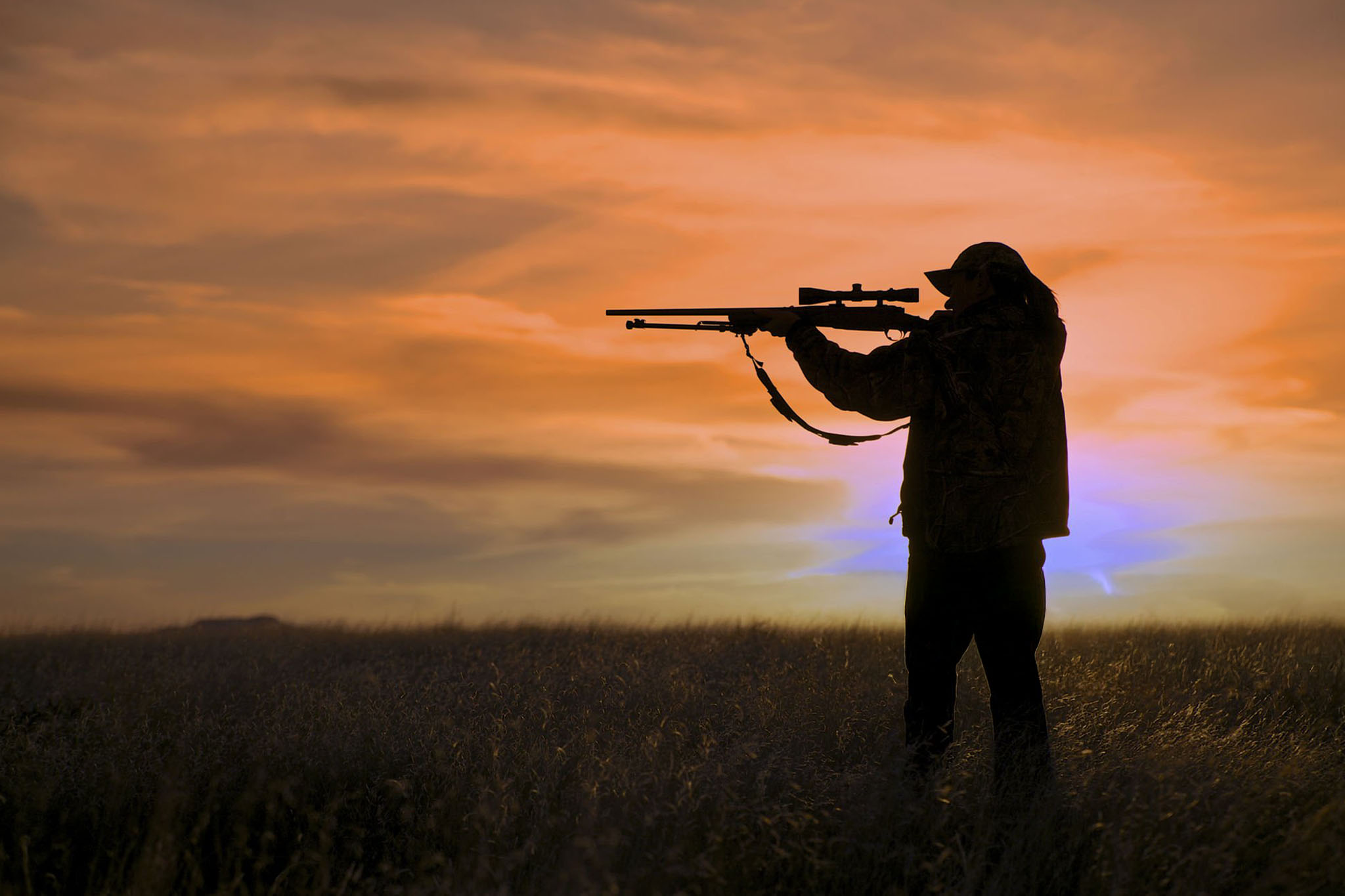
As the last days of hunting season arrive, the woods and marshes take on a different tone — quiet, frozen, and demanding. Only the most determined hunters remain, those willing to face biting winds, deep snow, and unpredictable animal movement. But this final stretch can be one of the most rewarding times of the year. Late-season hunts test your endurance, skill, and strategy, often separating casual hunters from true outdoorsmen. If you know how to adapt when conditions turn brutal, you can finish your season strong — and maybe punch that final tag.
1. Understanding Late-Season Behavior: When Survival Drives the Game
By late December or January, every animal in the wild is in survival mode. Food is scarce, temperatures plummet, and energy conservation is key. Deer, ducks, and predators alike shift their routines to stay alive — and that’s where the hunter’s opportunity lies.
- Deer will seek high-calorie food sources such as cornfields, standing soybeans, or late-dropping acorns. They’re less concerned with rutting behavior and more focused on survival feeding.
- Waterfowl congregate in the last remaining patches of open water or flooded timber, often moving in small, wary groups.
- Coyotes and bobcats hunt more actively during daylight, capitalizing on weakened or slow-moving prey.
The secret to success in this phase is pattern recognition. Scout for fresh tracks, droppings, or feeding trails in snow. Glass open fields during the final hours of daylight. The animals may move less, but they move predictably — and that predictability can be your biggest advantage.
2. Gear Up for the Cold: Function Over Fashion
In the late season, the right gear is no longer a comfort — it’s a necessity. Hypothermia, frostbite, and reduced dexterity can ruin a hunt or even put you in danger. Every layer, every material choice matters.
- Base Layers: Choose moisture-wicking merino wool or synthetic blends to pull sweat away from your body.
- Insulating Layers: Down or PrimaLoft jackets offer warmth without excessive bulk.
- Outer Shells: Look for waterproof and windproof materials that allow quiet movement — no loud nylon crackles when you shift in your stand.
- Boots: Insulated, waterproof boots with solid traction are essential. Late-season terrain means snow, slush, and ice. A reliable pair of rubber or neoprene hunting boots can keep your feet dry and warm even in subfreezing conditions.
- Accessories: Hand warmers, insulated gloves, and a face mask go a long way in maintaining focus and trigger control.
Remember, mobility still matters. Don’t layer so heavily that you can’t shoulder your gun or draw your bow smoothly. Comfort is useless if you can’t move efficiently when the moment comes.
3. Adjusting Tactics for the Freeze
Brutal weather calls for smarter setups. Your usual early-season approach won’t cut it when the landscape is covered in snow and ice.
- Hunt the Warm Windows: Animals are most active when the sun breaks through after a cold front. Even a slight rise in temperature can trigger midday feeding activity.
- Think South-Facing Slopes: Deer often bed where sunlight hits longest, soaking up warmth during daylight hours.
- Use Weather to Your Advantage: A fresh snowfall can reveal active trails overnight. Use those tracks to position yourself precisely where deer are traveling.
- Stay Silent and Scent-Free: Cold, dry air carries scent farther and faster. Keep your scent control tight — wash your gear in unscented detergent and avoid strong-smelling snacks or drinks in the field.
Late-season success is all about efficiency. Every step, every setup, and every movement needs to be deliberate. You’re not hunting in abundance anymore; you’re hunting in scarcity — and precision wins.
4. Mental Grit: The Real Game-Changer
When the cold bites hard and the wind howls across the empty fields, it’s easy to call it quits. But the final push of the season rewards those who refuse to give in. Staying motivated during these brutal hunts is a test of willpower as much as skill.
Mental endurance tips:
- Set small goals. Instead of thinking “I need to fill my tag,” focus on smaller wins — finding fresh sign, spotting a buck, hearing ducks overhead.
- Stay positive. The best hunters view tough weather as an opportunity, not a setback. Remember: fewer hunters in the field means less pressure and more chances for you.
- Stay safe. Know your limits. Always tell someone where you’re going, and pack survival essentials like fire starters, emergency blankets, and a backup power source for your phone or GPS.
The grind of the late season can wear anyone down, but those who persevere often end their season with not only success — but stories worth telling for years to come.
5. Finishing Strong: The Reward of the Grind
The final days of the hunting season are not about comfort. They’re about challenge — embracing the elements, reading the land, and making the most of every opportunity. Whether it’s a heavy whitetail stepping into a frozen field at dusk or a mallard cupping into a hole in the ice, these moments belong to hunters who endure.
When you look back on your season, you won’t remember the easy sits or the perfect weather. You’ll remember the mornings when frost coated your rifle, the hunts where wind stung your face — and the satisfaction of pushing through anyway.
So gear up, grit down, and get after it. The season’s not over until you say it is.
