
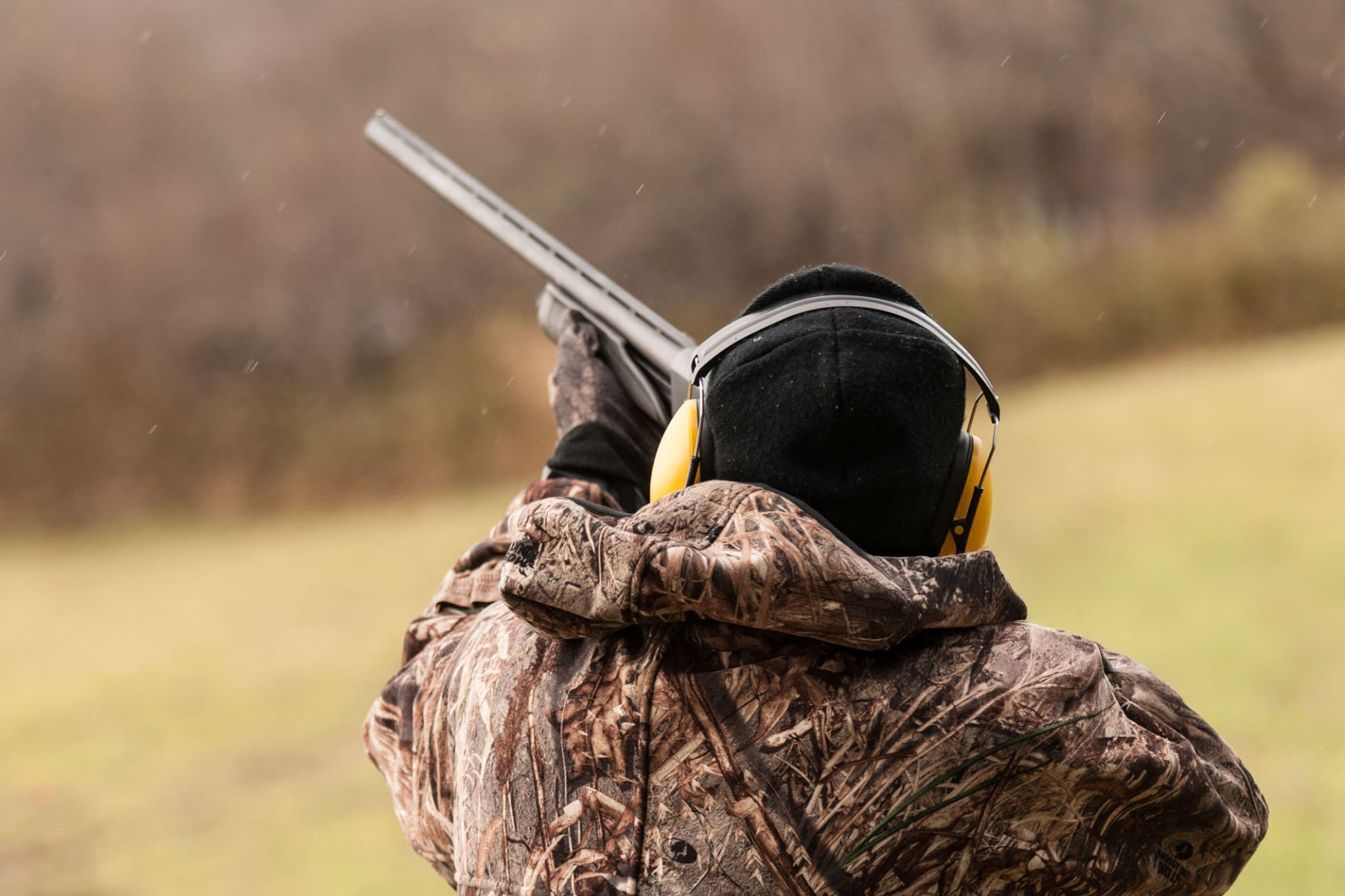
When winter locks the marshes and backwaters under a sheet of ice, waterfowl hunters face one of the most challenging yet rewarding seasons of the year. The birds are wary, the temperatures brutal, and the open water scarce. But if you can master your decoy spread in frozen conditions, you’ll stand out from the competition — literally. In icy weather, realism and placement can make all the difference between empty skies and a limit of birds.
1. Understanding Waterfowl Behavior in the Cold
As temperatures drop, ducks and geese change their behavior dramatically. They seek open water to roost and feed, relying heavily on thermal energy from sunlight and flock movement to keep areas ice-free. During frigid stretches, birds become concentrated in small pockets of open water — a prime opportunity for hunters who can imitate these scenarios with precision.
To fool them, your spread needs to mimic what waterfowl are naturally doing: conserving heat, bunching tightly, and limiting movement.
2. Breaking Ice and Creating Open Water
When everything’s frozen, realism starts with open water. If you’re hunting a shallow marsh or backwater, bring tools like a spud bar, hatchet, or even a small auger to break thin ice. Clear a pocket just large enough for a landing zone — roughly 15–20 yards wide — and scatter ice chunks along the edges to mimic natural thaw patterns.
Some hunters use ice eaters or small battery-powered pumps to keep water moving. A little open water framed by realistic ice edges can attract ducks from miles away, especially when the rest of the landscape is locked tight.
3. Decoy Placement: Tight, Natural, and Purposeful
Forget the wide-open V or J patterns you might use in mild weather. In icy conditions, birds cluster tightly together, seeking warmth and safety. Place your decoys close, with minimal gaps between them — especially in the center of the group.
- Mallards and pintails: Arrange them in dense, loafing groups, keeping drakes near the edges for visibility.
- Geese: Mix in a few sleepers or resters along the ice edges to suggest comfort and safety.
- Motion: Add a few ripplers or jerk cords near your open-water pocket. Subtle motion in frigid air can be deadly effective when everything else looks frozen stiff.
4. Blend Ice and Open Water Realistically
One of the best-kept secrets among late-season hunters is mixing floating and ice-based decoys. If ice is thick enough, set a few decoys directly on it — it looks incredibly natural to passing flocks. Ducks often stand or rest on ice edges, so mix a few standing decoys with floaters on the water.
Adding realism can also mean using species variety. Toss in a few coots or black ducks near the edge to suggest natural flock mixing. These subtle details make your spread look alive and unpressured.
5. Camouflage and Concealment in Frozen Environments
In winter, backgrounds are brighter, and shadows are harsher. That means concealment is harder to achieve. Use frosted vegetation, snow covers, or white ghillie material to match your surroundings. Avoid shiny gear, and remember that movement — even a small head turn — can flare ducks from far away.
Position your blind to take advantage of the low winter sun. Morning light reflecting off snow and ice can expose hunters fast, so use natural shade or build your setup facing slightly away from glare.
6. Sound and Calling Adjustments
Birds in icy weather are often conserving energy and tend to be quieter. Overcalling can make your spread seem unnatural. Instead, rely on soft quacks, feeding chuckles, and subtle goose murmurs. Once birds commit, go silent and let the decoys finish the work.
Less calling, more realism — that’s the late-winter rule.
7. Safety and Comfort in the Cold
Frozen setups can be treacherous. Always test ice thickness before walking, and never overload sleds or layouts on weak surfaces. Waterproof, insulated boots — like Trudave’s insulated deck or hunting boots — are essential for keeping feet warm and dry when standing in icy slush. Layer up with moisture-wicking materials and pack chemical warmers. When you’re comfortable, you’re sharper, quieter, and far more effective.
8. Final Thoughts: The Reward of Persistence
Late-season waterfowling in icy conditions isn’t easy. It demands patience, preparation, and a willingness to adapt. But when you see that small flock of mallards lock wings and drop into the one open hole you’ve worked so hard to create, the challenge feels worth every frozen finger.
The key lies in realism — mimicking what nature looks like when everything else has gone still. Build your spread with intention, stay hidden, and let the cold work for you, not against you.
