
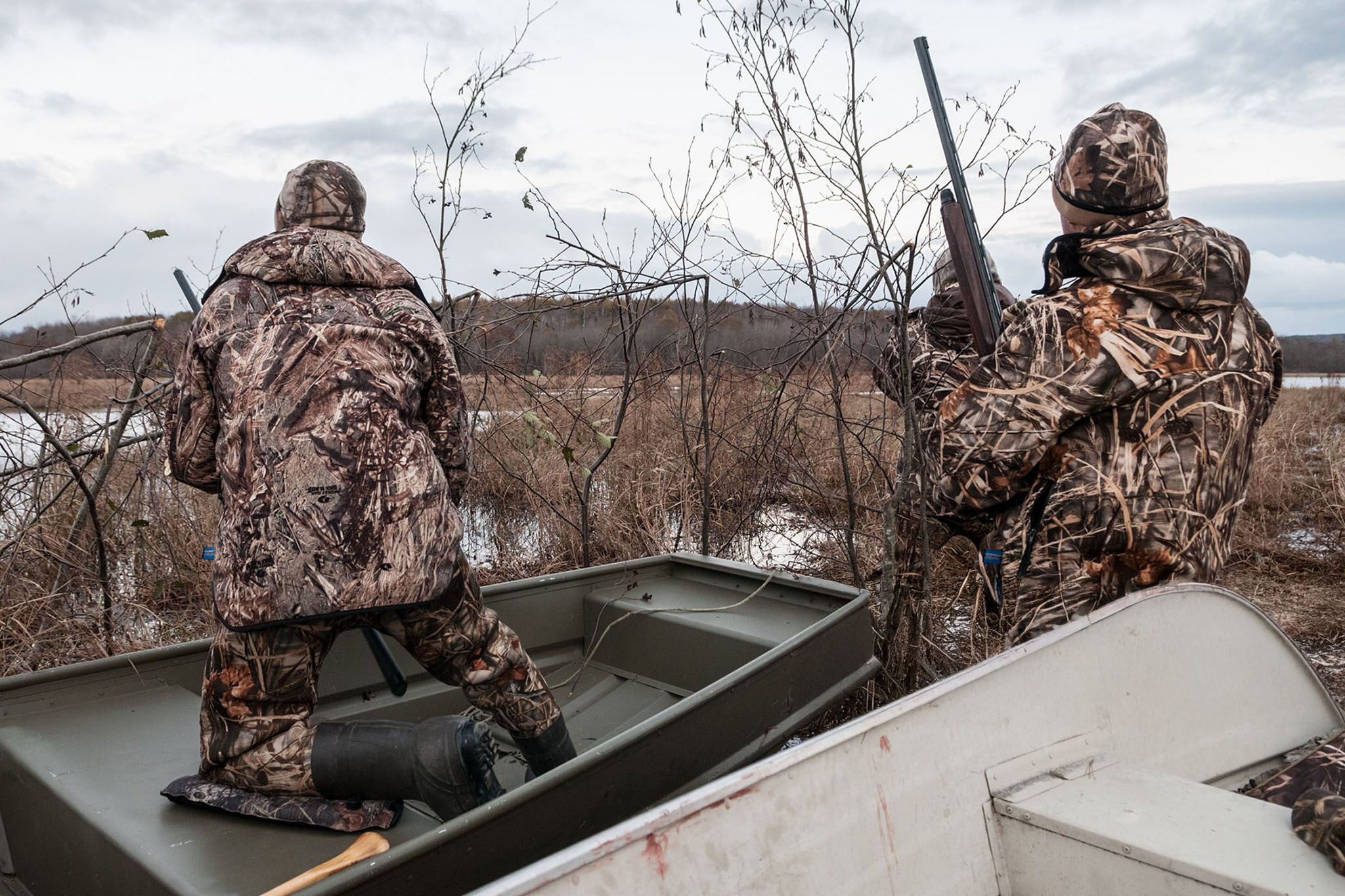
There’s nothing that stirs a duck hunter’s heart like a north wind and falling temperatures. When a cold front pushes through the flyway, ducks lift off frozen ponds and empty grain fields, riding that same wind south in a frenzy of motion. For hunters who understand how to read and time these fronts, it’s not luck that fills the sky—it’s precision. Knowing when to hunt and where to set up in relation to a passing front can turn an average morning into one of those unforgettable, full-stringer days.
In this article, we’ll break down how cold fronts shape migration behavior, how to read the weather for the perfect setup, and how to fine-tune your hunting strategy when the mercury drops.
1. Why Cold Fronts Drive Duck Migration
Migration isn’t just instinct—it’s survival strategy. Ducks are built to follow weather and food availability, and cold fronts are their cue to move.
A cold front marks the boundary where cold, dry air replaces warm, moist air. As the front pushes south, temperatures drop, winds shift north or northwest, and barometric pressure rises. For waterfowl, this signals two things:
- The wetlands and food sources up north are freezing.
- The wind offers perfect tail support for a southbound flight.
When the front hits, ducks ride the strong tailwinds overnight, sometimes covering hundreds of miles. The next morning, southern hunters often find new birds in the marsh—fresh, unpressured flocks that decoy with confidence.
2. Reading the Weather: Timing the Flight
Understanding the weather cycle around a cold front is the key to predicting movement. Each stage offers a different opportunity for hunters:
- Before the Front:
Ducks feed heavily ahead of an approaching front. The falling barometer triggers increased activity, as birds sense the change coming. Hunting in the 12–24 hours before a front can be productive, especially around evening flights. - During the Front:
As the front moves through, winds pick up, rain or snow may fall, and temperatures plummet. Birds in flight are often migrating high, so hunting during the storm can be hit or miss. If visibility is poor, they may skip over local areas entirely. - After the Front:
This is when the magic happens. Clear skies, cold air, and strong north winds create ideal conditions for new arrivals. Ducks rest and feed aggressively after long flights, often decoying readily into small water. These post-front mornings are prime time.
3. Locating Ducks After a Front
Once a front has passed, the marsh changes quickly. Open water freezes, shallow sloughs skim over, and food access shifts. To stay on the birds, hunters have to adapt as fast as the ducks.
Where to look:
- Rivers and Spring-Fed Creeks: These stay open longer and act as magnets for migrating ducks.
- Deep Lakes and Reservoirs: When small ponds freeze, ducks pile into deeper water bodies.
- Backwater Sloughs Near Grain Fields: These provide both cover and leftover feed.
- Southern Edges of Freeze Lines: This is where you’ll find the densest concentrations—birds waiting for the next big push.
Scouting is essential. Spend an afternoon after a front watching where new ducks are landing or feeding. The freshest birds often favor isolated spots that offer both food and rest away from pressure.
4. Decoy Spreads That Match the Weather
Cold fronts change duck behavior—and your decoy setup should reflect that.
- During Mild Fronts: Use relaxed, natural spreads with small family groups and scattered spacing.
- After Strong Fronts: Freshly arrived ducks tend to bunch up tightly for warmth and safety. Use denser, more concentrated spreads to mimic this.
- Windy Days: Position decoys on the upwind edge of open water, leaving a clear landing pocket downwind. Ducks will always try to land into the wind.
Motion becomes critical in cold air. Add spinning-wing decoys or jerk cords to create ripples—especially on still, post-front mornings when water surfaces freeze around the edges.
5. Calling in Cold Conditions
The way you call can make or break a front-day hunt. Cold, dense air carries sound farther, so tone control matters more than volume.
Calling tips for front weather:
- Use softer greeting calls when birds are close.
- Focus on feeding chatter to sound natural.
- Don’t overcall migrating birds flying high—they’re often committed to long-distance travel.
Your goal isn’t to impress; it’s to reassure. Cold fronts bring in wary flocks that have already heard plenty of calling up north. Sometimes silence, paired with a natural decoy spread, is more convincing than a chorus of hail calls.
6. Gear and Comfort for Front-Weather Hunts
Cold-front hunting demands grit—but good gear can make the difference between a miserable morning and a memorable one.
- Layer smart: Moisture-wicking base layers, insulating mid-layers, and windproof outer shells keep you dry and mobile.
- Stay dry: Waterproof waders like Trudave’s insulated chest waders help retain warmth even in icy water.
- Hand and foot protection: Use insulated gloves and neoprene boot liners to prevent heat loss during long sits.
- Don’t forget optics: Clear, anti-fog lenses are essential when scanning high-flying birds.
Front days can bring everything—rain, sleet, snow, and sunshine. Preparing for all conditions means you can focus on the birds, not the discomfort.
7. Adapting as Fronts Stack Up
Late-season hunters know that fronts come in waves. Each one pushes birds farther south, concentrating numbers in fewer open-water areas. The later the season, the more valuable open water becomes.
If your local marsh locks up completely, consider:
- Moving to larger river systems that resist freezing.
- Setting up along southern flyway corridors where birds stack before the next push.
- Using ice eaters or breaking ice manually to keep water open—ducks will often return within hours.
Adaptability is everything. The hunters who adjust their location and timing after each front are the ones still filling straps long after casual hunters pack it in.
8. Reading the Freeze Line
The “freeze line” is one of the best indicators of duck concentration. It’s the southern edge where open water transitions to ice. Birds gather just below this line, resting and feeding until another front drives them onward.
Track this line daily through weather apps and waterfowl reports. When it drops south of your area, expect heavy flights within 24–48 hours. That’s your signal to be in the blind—no excuses.
Final Thoughts
Cold fronts are the heartbeat of the migration season. When temperatures drop and the wind turns north, it’s not just a weather event—it’s an invitation. The ducks are moving, the skies are alive, and the opportunities are short-lived.
Understanding how to read, time, and hunt these weather shifts turns cold mornings into action-packed hunts. So the next time you see a forecast calling for falling temps and rising pressure, don’t wait. Pack the decoys, fuel up the dog, and be ready at first light—because the front is coming, and the birds are on their way.
