
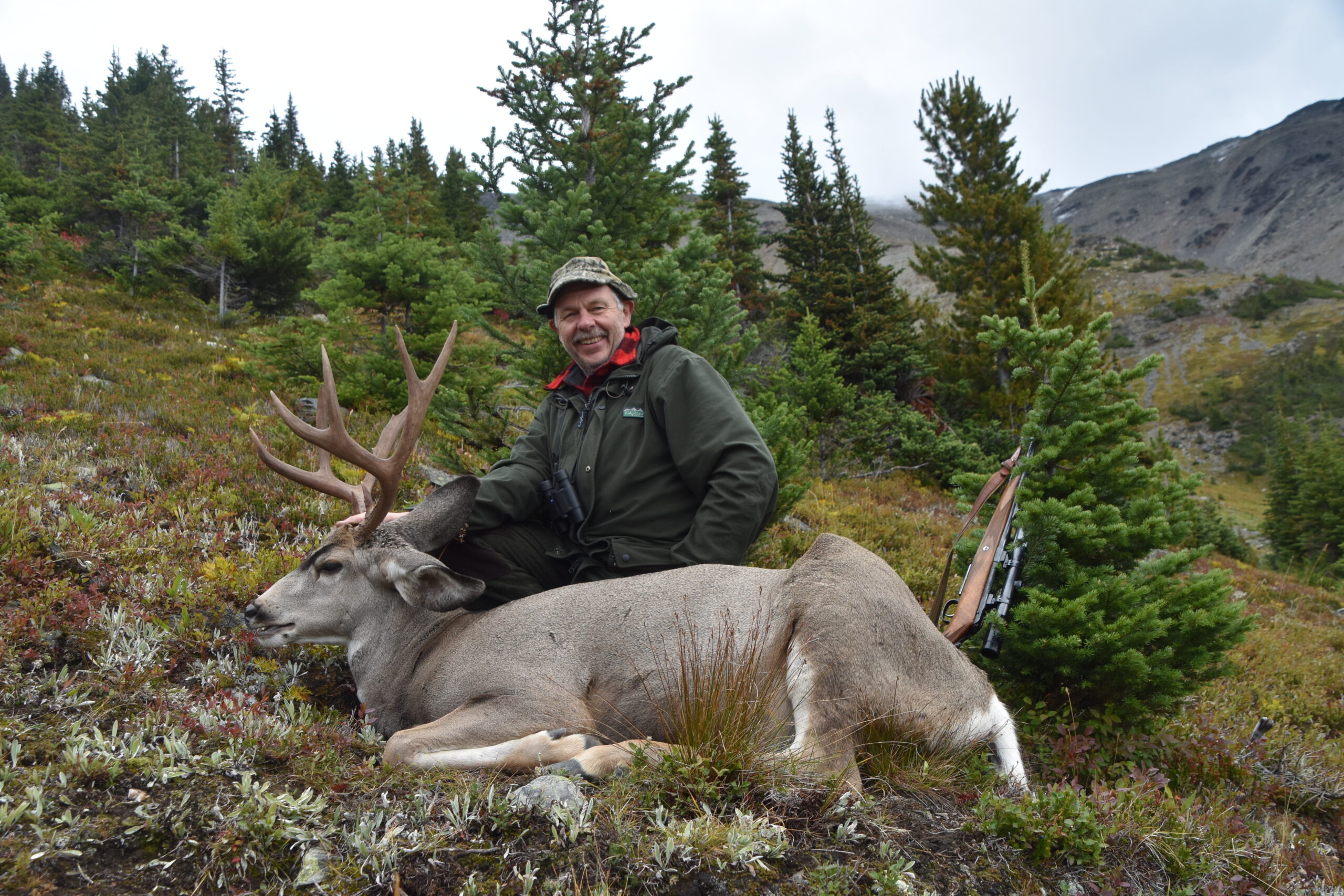
As the rut winds down and the chaos of November fades into the quiet chill of early winter, mature bucks shift into a new phase of survival. Gone are the reckless chases and all-day movements. Now, it’s about recovery—rebuilding strength, conserving energy, and staying out of sight. For hunters who understand this transition, early winter offers one of the most rewarding opportunities to tag a wary buck that survived the frenzy of the rut.
This is a time when whitetails become creatures of habit again. Their world shrinks to food, cover, and rest—and knowing where they bed during these cold, post-rut weeks is the secret to finding them.
1. Understanding the Post-Rut Behavior Shift
After weeks of constant movement, bucks enter what biologists call the “recovery phase.” During this time, their priorities flip: food and rest outweigh breeding. A mature buck may have lost 20–25% of his body weight chasing does, so his first objective is replenishment.
Unlike the pre-rut, when bucks roamed widely, early winter deer settle into smaller, predictable home ranges. They move less often, favor secluded bedding spots, and feed close to heavy cover. That means your strategy should pivot from chasing movement to pinpointing rest.
2. Where Bucks Bed in Early Winter
Winter bedding areas differ greatly from early-season or rut patterns. The key is thermal comfort and security. Bucks seek bedding that shields them from cold winds while offering quick access to food sources. Here’s where to look:
- South-Facing Slopes: These catch maximum sunlight during short winter days, helping bucks conserve energy. Tracks and droppings often line the upper third of these ridges.
- Conifer Thickets: Pine, cedar, and spruce stands provide windbreaks and ground insulation, keeping deer warmer and hidden from predators.
- CRP Fields and Grass Edges: When snow piles up, tall grass and switchgrass offer cover that’s both warm and visually protective.
- Leeward Hillsides: Bucks often bed just below ridgelines where the wind carries scent over the top while keeping them sheltered.
Early winter bedding isn’t random—it’s strategic survival. The same intelligence that keeps these deer alive through hunting season can work in your favor once you learn to read it.
3. Food Drives Everything
In early winter, food sources become fewer, but more predictable. Bucks will choose bedding locations within easy reach of high-energy meals. The closer the food, the less energy they waste.
Prime winter food sources include:
- Late-standing corn and soybeans
- Brassicas and winter wheat plots
- Acorns left over from the mast drop
- Browse on saplings, briars, and honeysuckle in thick cover
Focus your scouting between these food sources and the bedding cover nearby. Bucks recovering from the rut won’t travel far—most feeding occurs within the first and last hour of daylight.
4. Scouting for Post-Rut Beds
When scouting winter bedding areas, stealth is everything. Bucks are back to their wary selves, and one mistake can push them into nocturnal mode.
Look for these signs:
- Oval depressions in snow or leaves (indicating bedding)
- Rub lines along sheltered paths
- Fresh tracks leading from thick cover to food sources
- Wind-sheltered trails that avoid open areas
A smart tactic is to glass from a distance during midday. Bucks often rise briefly to reposition or stretch, giving away their location before bedding again.
5. Playing the Wind—Even in the Cold
In cold weather, it’s tempting to ignore wind in favor of comfort, but that’s a mistake. Bucks still rely on their noses more than anything else. Always set up downwind or crosswind of a known bedding area, and use the terrain to your advantage.
Pro tip: Thermal currents can reverse direction as temperatures drop or rise during the day. Morning thermals typically fall downhill, while afternoon thermals rise. Use this knowledge to plan your entry and exit routes without contaminating the area.
6. Late-Season Setups That Work
Your tree stand or blind placement should match a buck’s early winter routine: short movements between thick cover and evening food.
Ideal setups include:
- Transition zones: The narrow strips between bedding and food.
- Edge lines: Where hardwoods meet conifer thickets or crop fields.
- Thermal cover corners: A stand just off a cedar thicket lets you intercept bucks heading out to feed.
Consider ground blinds with natural brushing for extra concealment—they hold heat better and blend seamlessly in snowy or windy conditions.
7. Patience and Timing
Early winter hunting requires a mindset shift. You’re not chasing aggressive rutting deer—you’re patterning cautious, recovering ones. Morning hunts are often less productive since bucks return to bed before dawn. Instead, focus on afternoon setups where you can catch them staging near food.
Persistence pays off here. Once you’ve identified a core bedding area, stay patient. Bucks rarely move far, and with consistent weather patterns, they often repeat their route day after day.
8. Gear and Comfort Count
Cold-weather hunting demands discipline—and good gear. If you’re cold or uncomfortable, you won’t last long enough to capitalize on short movement windows.
- Wear silent, insulated outerwear to prevent noise in frozen air.
- Use waterproof boots like Trudave hunting boots, which offer warmth and traction through snow and ice.
- Layer smartly—moisture-wicking base, fleece mid-layer, and windproof shell—to avoid sweating on the walk in.
The less you fidget from the cold, the more likely you’ll stay undetected when the moment arrives.
Final Thoughts
Early winter hunting is about reading recovery—understanding where bucks rest, feed, and regain strength after the exhausting rut. They’re not gone; they’re just quieter, more cautious, and conserving energy.
By focusing on south-facing slopes, dense bedding cover, and nearby food, you can locate these post-rut ghosts and move in with precision. Stay downwind, stay patient, and remember—the best late-season hunters aren’t chasing deer. They’re intercepting them where they rest.
