
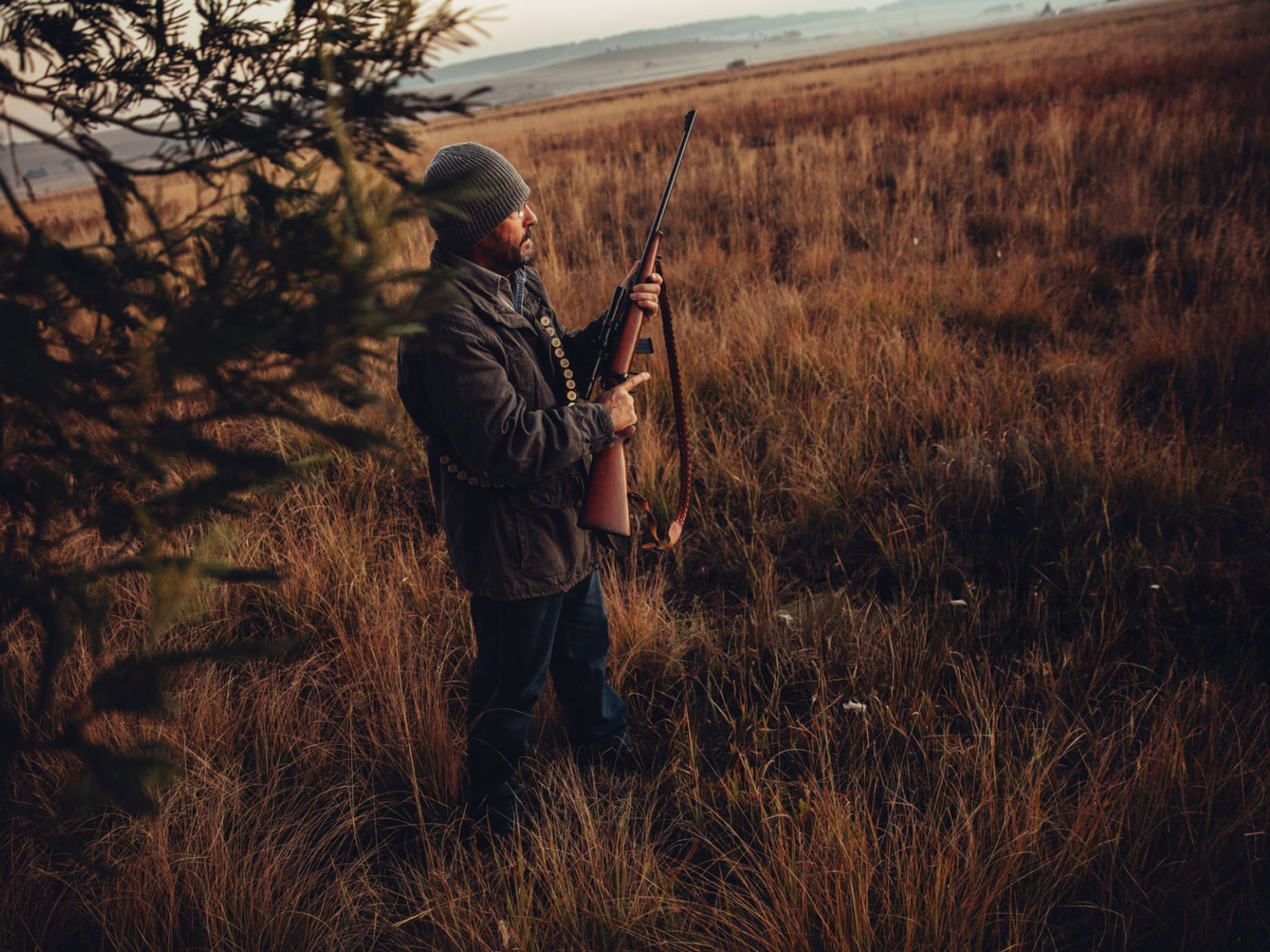
Winter hunting presents a unique set of challenges, from colder temperatures to shorter days, but one of the most overlooked obstacles is managing scent. Cold, crisp air can carry smells farther, and animals are often more cautious during this time of year. For hunters, maintaining scent control is crucial to avoid alerting game to your presence. Whether you’re hunting whitetail, waterfowl, or predators, these tips will help you keep your scent undetected and improve your chances of success.
1. Understanding How Cold Affects Scent
During winter, the air tends to be drier, which can make scents travel differently than in warmer weather. Cold air can carry your scent further, especially if there’s a wind. In contrast, calm and cold days allow scents to linger in the environment longer, making scent control even more critical. On the flip side, wet and snowy conditions can also trap scent, so understanding how weather conditions impact scent dispersion is essential.
- Windy Days: Wind can carry your scent a long way, which means staying downwind of your target is critical. However, in very cold conditions, wind direction can shift unexpectedly, so always keep an eye on the weather.
- Calm, Cold Mornings: Calm mornings, often found in winter, can be tricky. With little wind, your scent can travel long distances. Ensure you are aware of your surroundings and be ready to adapt quickly.
2. Pre-Hunt Scent Control: Preparing for Success
Effective scent control starts before you even leave the house. There are several steps you can take to reduce your natural odor and the scent of human activity:
Wash Your Gear and Clothes Properly
Clothes are your first line of defense against scent. Make sure everything, from your base layers to your outer jacket, is scent-free.
- Use Scent-Free Detergents: Commercial laundry detergents often contain perfumes and chemicals that leave behind traces of scent. Opt for scent-free detergents designed specifically for hunters, such as those made by brands like Dead Down Wind or ScentLok.
- Avoid Fabric Softener: Fabric softeners contain fragrances that can cling to fabrics. Use scent-free softeners or skip it altogether.
- Drying: Always dry your hunting clothes in a place where they won’t be exposed to strong smells—this includes your garage, basement, or outdoors. Avoid drying clothes in the house where everyday scents like cooking oils or air fresheners linger.
Scent-Eliminating Sprays and Wipes
Once your clothes are clean, use a scent-eliminating spray on your hunting gear. These sprays are designed to neutralize odors on your clothes, boots, and hunting pack, and many contain activated carbon or ozone technology, which can be highly effective at neutralizing human scents.
- Spray After Every Use: After each hunting trip, spray your gear again before storing it. This prevents lingering odors from accumulating.
- Wipes for Extra Coverage: Scent-eliminating wipes can be useful for quick cleanups before heading out into the field. Wipe down your boots, your hands, and your gear to reduce the amount of natural scent transferred into the environment.
3. Gear and Equipment: Keeping Scent at Bay
While clothing is the most obvious place where scent lingers, your hunting gear and equipment can also become a source of odor. Here’s how to manage it:
Boots and Footwear
Footwear is one of the most common culprits in spreading scent. Mud, snow, or even dust from the ground can get into your boots, making them carriers of odor.
- Boot Scent Control: Clean your boots thoroughly after every use. Invest in a scent-neutralizing spray for your boots, or use activated charcoal insoles to absorb odors. Be sure to dry your boots in a well-ventilated area to avoid trapping moisture inside.
- Scent-Free Footwear Options: Consider using rubber or scent-blocking boots designed specifically for hunting. These are especially useful when hunting in wet or snowy conditions.
Backpacks and Gear Bags
Your pack can also pick up and carry scents, especially if you’re storing snacks or scent-contaminated items inside. When possible, keep your pack clean and scent-free.
- Use Scent-Proof Bags: Look for scent-proof or scent-controlling bags made with activated carbon linings or other odor-blocking materials.
- Separate Food and Gear: If you’re carrying food, keep it in a sealed container away from your hunting equipment. Even a hint of human food can alert game to your presence.
Bow and Rifle Care
Your weapon can easily pick up scents during the hunt, particularly if you’ve handled it with your hands or stored it improperly.
- Gloves for Handling: Always wear gloves when handling your rifle or bow. Human scent from your hands can transfer to the equipment, and it’s tough to eliminate once it’s there.
- Gun Oil and Lubricants: Be mindful of the oil you use on your firearms. Some oils have a strong smell that can alert animals, so opt for odor-free lubricants that won’t leave a scent trail.
4. In the Field: Staying Scent-Free While Hunting
Once you’re out in the field, staying scent-free requires continuous effort and awareness. Here are some tactics you can use:
Use the Wind to Your Advantage
Before setting up your stand or blind, check the wind direction. As mentioned earlier, wind carries scent, so always position yourself downwind of where you expect game to approach. Wind direction can change throughout the day, so keep checking and adjust accordingly.
- Scent Control on the Move: When stalking or moving through the woods, always be aware of your wind direction. Even a slight change in wind can give you away. If you need to, adjust your route to avoid moving directly into the wind.
Stay Low and Move Slowly
In colder months, animals are less active during the day, so they’ll be even more sensitive to movement. To avoid detection:
- Move Slowly and Deliberately: When walking to your stand or blind, move quietly and keep your profile low to the ground. Avoid sudden movements that can stir the air around you.
- Avoid Overexposure: If you need to cross an open area, do so quickly but quietly. Minimize the amount of time your scent can travel over open ground.
Hunt from a Blind or Elevated Stand
Blinds and tree stands provide an additional layer of scent control. Not only do they give you a good vantage point, but they also reduce the chance that animals will detect you on the ground.
- Scent-Proof Blinds: Choose a blind made from scent-blocking materials or one that has been treated with scent-eliminating sprays. Make sure to keep it clean and well-maintained to avoid trapped smells.
- Elevation Matters: A tree stand places you above the scent zone of many animals, offering an advantage, especially when hunting deer. Just be sure your stand is placed with the wind in mind.
5. After the Hunt: Washing and Storing Your Gear
Once your hunt is over, your scent control doesn’t stop. How you handle and store your gear after hunting plays a big role in maintaining scent-free equipment.
- Washing Again: Wash your clothes with scent-free detergent after each use to ensure no lingering odors remain.
- Storing Properly: Store your hunting gear in scent-free bags or containers. Use airtight, odor-proof storage bins for long-term storage and keep your gear away from heavily scented areas like garages or basements.
Conclusion: Mastering Scent Control for Winter Hunts
Scent control is an ongoing process, and winter hunts add their own set of challenges, but by taking the right steps before, during, and after your hunt, you can significantly reduce your chances of being detected. From the right clothes and gear to understanding how weather conditions impact scent dispersal, effective scent management is one of the key elements in becoming a successful hunter. Stay vigilant, stay scent-free, and you’ll find your odds of a successful winter hunt dramatically improved.
