
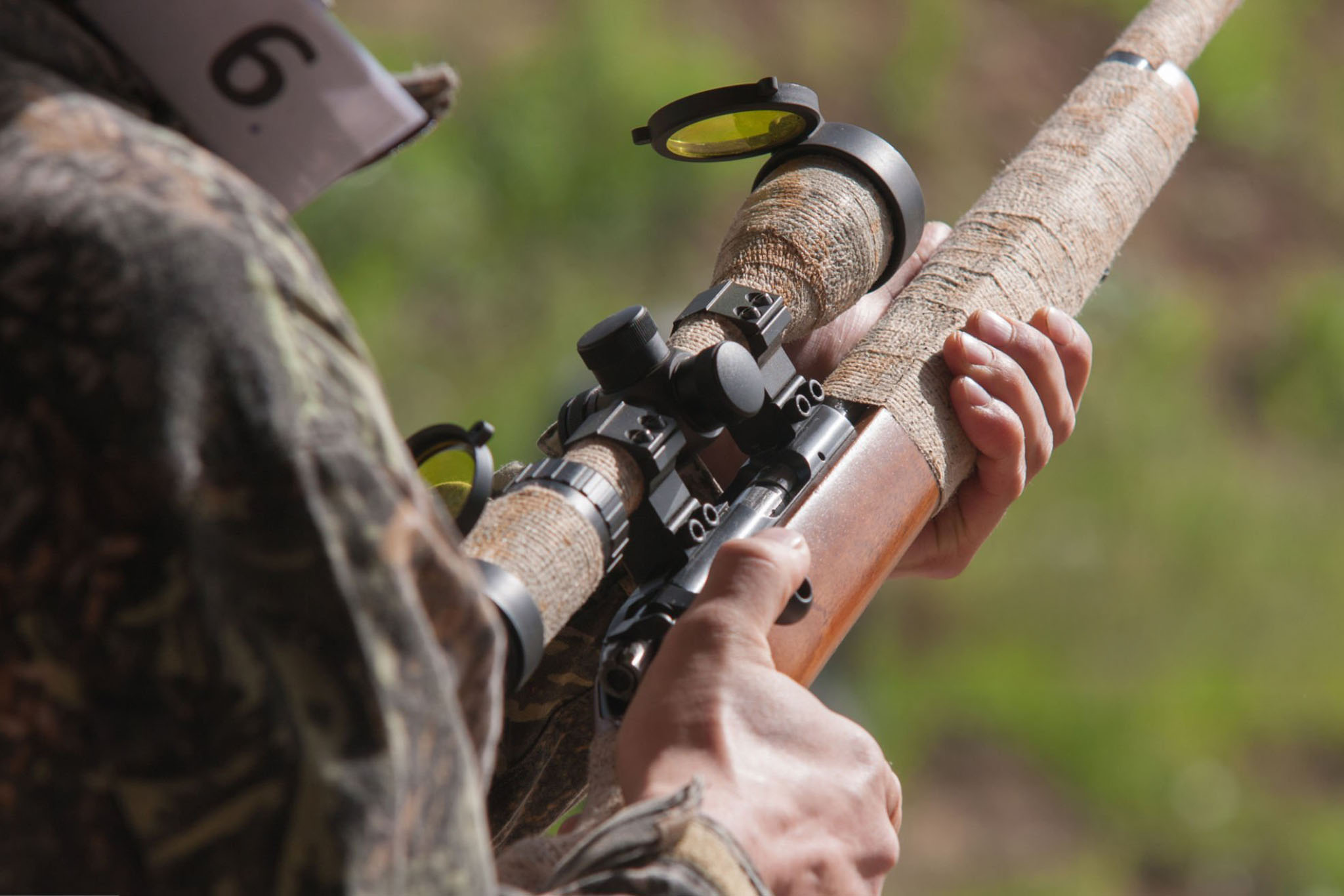
As the last leaves fall and the frost clings to every blade of grass, deer hunters across the country start to notice a quiet transformation in the woods. The cold brings structure to chaos — the rut slows, the forest opens up, and deer patterns become more predictable. Among the many shifts that happen in late fall, one stands out for the savvy hunter: the whitetail’s attraction to the frost line — that delicate boundary between sun-warmed cover and icy open terrain.
Understanding how deer use these transition zones during cold weather can redefine your late-season success. The frost line isn’t just a temperature marker; it’s a corridor of comfort, concealment, and opportunity — the perfect edge ambush zone.
What Is the Frost Line — and Why It Matters
In hunting terms, the “frost line” isn’t the subsurface freeze depth; it’s the visible edge where frost begins or ends across terrain — the microboundary between shade and sunlight, warm and cold, soft ground and crusted earth.
This line is most noticeable on early winter mornings. South-facing slopes, sheltered creek bottoms, and open fields catch the day’s first warmth, while shaded timber and north slopes hold the chill. To a whitetail, these subtle changes in temperature and footing matter far more than we often realize.
Whitetails are creatures of energy efficiency. In cold conditions, they instinctively gravitate toward areas that balance thermal comfort, safety, and access to food. The frost line provides all three — making it one of the most reliable travel corridors when temperatures plummet.
Thermal Advantage: How Whitetails Read the Landscape
Deer have an incredible ability to detect temperature gradients. During cold, clear mornings, you’ll often find them moving right along that frost boundary — using warmer microclimates that allow easier movement and less energy loss.
Here’s how they use it to their advantage:
- Morning Movement: After bedding through a cold night, deer use frost edges to move toward feeding zones where the sun hits first. South-facing ridges and transition areas warm up early, making them natural travel routes.
- Midday Bedding: As frost melts, whitetails slip back into thermal cover — dense pines, cedars, or creek bottoms that trap heat and block wind.
- Evening Transition: As temperatures fall again, deer hug those same edges on their way back to feed, following predictable temperature and wind corridors.
This cyclical use of the frost line makes these routes ideal for hunters who know where to set up.
Edges and Funnels: Natural Whitetail Highways
The frost line often runs parallel to terrain edges — where timber meets field, hill meets hollow, or thick cover meets open ground. These natural seams already attract deer, and the added element of temperature difference during the cold season only amplifies their use.
Look for areas such as:
- South-Facing Timber Lines: Deer follow these edges in the morning as they move from bedding to feed.
- Creek Banks and Drainages: These areas hold warmth longer and offer easy travel sheltered from the wind.
- Field Corners and Brush Lines: Perfect ambush zones where deer stage before entering open feeding areas.
When frost outlines these features, you can literally see the path of least resistance — the one whitetails are most likely to take.
Setting Up the Perfect Edge Ambush
To make the most of frost-line travel patterns, placement and timing are everything. Here’s how to plan your setup:
- Scout the Frost, Not Just the Sign:
Early-morning walks reveal frost patterns — where it melts first and where it lingers. Note these thermal shifts and match them with fresh tracks, droppings, or rub lines. - Play the Wind Smart:
Frost edges often coincide with shifting thermals. In the morning, cold air sinks and pulls scent downward; by midday, rising thermals lift it. Place your stand on the downwind side of the thermal boundary to keep your scent away from travel routes. - Time Your Hunt:
- Morning Hunts: Focus on sunlit slopes or open edges just as frost melts — deer will move here to warm up.
- Evening Hunts: Target shaded edges where frost begins to return; deer often use these areas as cover while staging before dark.
- Blend In with the Transition:
Set stands or blinds at cover transitions — spots where tall grass meets timber or brush breaks the skyline. Use natural elements like cedar branches to break your silhouette.
Reading Sign in the Frost
One advantage of hunting frost-line routes is how clearly deer sign stands out. On cold mornings, fresh tracks appear dark against the white frost. You can quickly identify direction of travel, group size, and timing of movement — invaluable intel for adjusting your setup.
Other clues include:
- Melted patches near trails or rub lines where deer movement generates heat.
- Frost-free bedding depressions in sheltered areas, indicating preferred daybeds.
- Frost condensation on branches showing recent movement or rubbing.
The frost reveals patterns most hunters miss — if you’re there early enough to see it.
Adapting to Changing Conditions
As November gives way to December, frost lines shift with weather and sunlight. After a snowfall, the same principles apply — deer still follow temperature and cover transitions. In fact, these patterns become even more predictable because food is scarcer and movement is concentrated.
When warm spells hit, deer may venture farther from the frost edge into open areas. When deep cold returns, they’ll tighten their range — sticking close to sheltered transitions where food and warmth overlap.
Stay flexible: what’s a productive frost line one week may move 100 yards the next as the sun’s path and temperatures change.
The Mindset Behind the Edge Ambush
The best late-season hunters know that patience and precision beat aggression every time. Hunting the frost line is about reading the subtle cues — the way frost fades from a field edge, how shadows stretch across a ridge, how deer conserve energy in biting cold.
You’re not forcing an encounter; you’re intercepting one that’s bound to happen.
By positioning yourself where frost meets sunlight, cover meets open, and comfort meets necessity, you turn nature’s transitions into your tactical advantage.
Final Thoughts
The frost line isn’t just a weather feature — it’s a map of movement for cold-weather whitetails. Every morning it redraws itself across the landscape, showing you where deer feel safest and most efficient.
When you set your ambush along those frosty seams — with wind in your favor, patience in your pocket, and the rising sun at your back — you’re not just hunting smarter; you’re hunting with nature’s rhythm.
And on those crisp mornings when frost crunches underfoot and breath fogs in the air, that rhythm might just lead to the moment every hunter waits for — a heavy-bodied buck slipping quietly down the edge, right along the frost line.
