
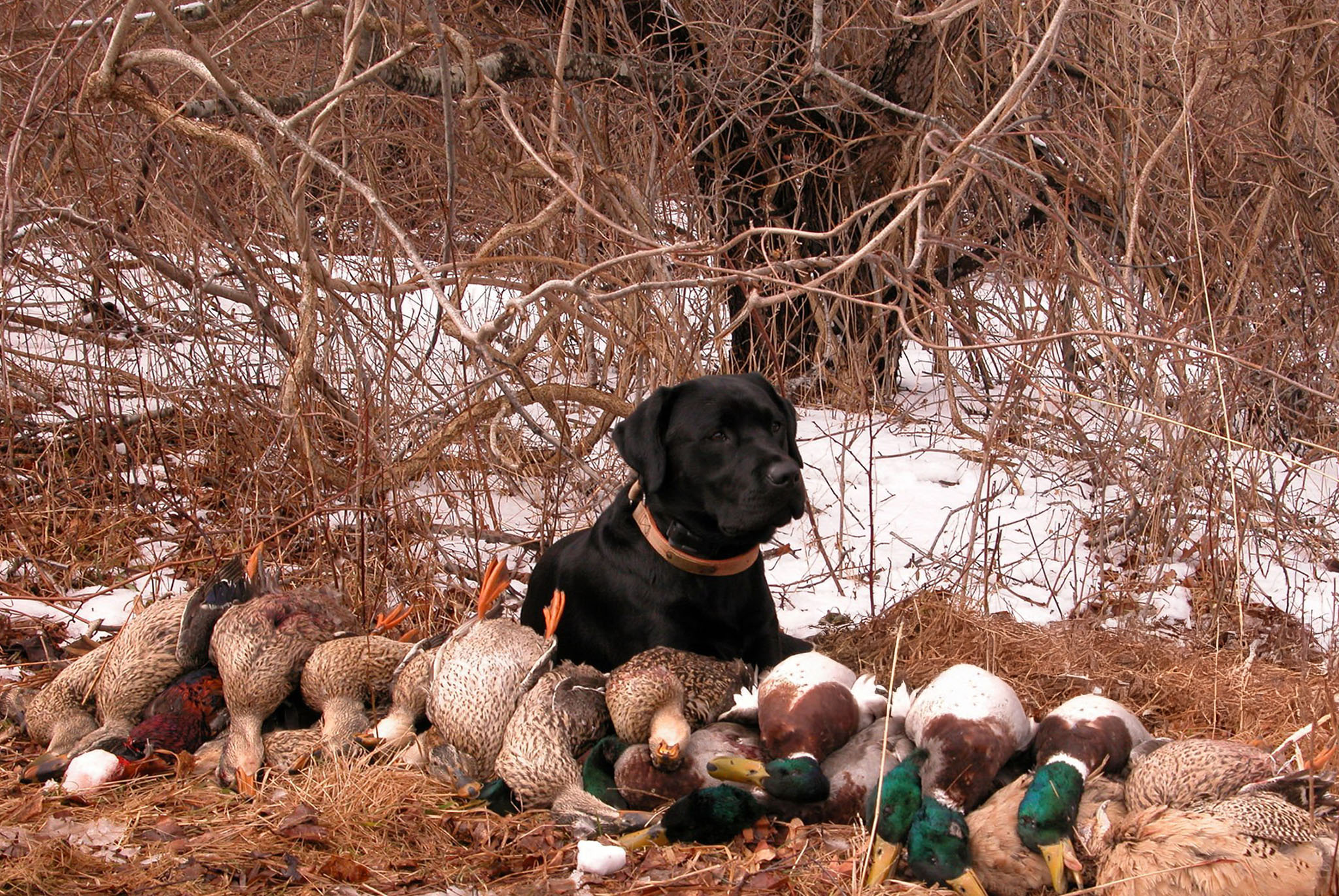
When winter tightens its grip and the fields turn white, most hunters hang up their gear. But for those who live for the sound of wings cutting through cold air, the snow-covered landscape is a signal — not to stop, but to get started. Late-season goose hunting brings together the most dedicated waterfowlers, those who understand that success in frozen fields demands grit, precision, and strategy.
The Migration Doesn’t End — It Just Changes
By the time the snow starts falling, the easy days of early migration are long gone. The birds that remain are battle-hardened — educated by weeks of pressure and smart enough to avoid obvious setups. Still, winter weather shifts patterns in your favor. When temperatures drop and food becomes scarce, geese concentrate in areas where they can feed efficiently and conserve energy.
Cornfields, wheat stubble, and bean fields that aren’t buried under deep snow become magnets. If you can find open ground near open water, you’re already halfway there. The key is to stay mobile — track the birds’ feeding cycles, follow local weather systems, and scout daily. In cold weather, flocks often feed once per day, typically mid-morning when the sun softens the frost.
Reading the Winter Landscape
Snow adds a new layer of challenge — and advantage. The visibility is better, but so is the risk of being seen. Your decoy spread, hide, and movement all become more noticeable against a white background. This is where blending in becomes an art form.
- Blend Your Blind: Use snow covers or white sheets to break up your outline. A poorly hidden layout blind in the snow will flare birds instantly.
- Mind the Shadows: When the sun is low, cast shadows can betray even a perfect setup. Use terrain dips, hay bales, or fencerows for natural cover.
- Decoy Depth: Spread your decoys tighter together to mimic real flocks huddled for warmth. Keep them off the snow by clearing small patches or using dark bases to add contrast.
Sloughs and frozen creeks can also hold late-season birds. Geese often loaf in slow-moving water or on edges where ice hasn’t fully set. If you find one of these thermal spots, you’ve struck gold — geese will return daily until it freezes solid.
Timing the Weather: When the Cold Works for You
There’s a magic window in goose hunting — that period right before and after a major cold front. Geese become restless as the barometer drops, feeding heavily before conditions worsen. Once the storm passes, clear skies and high pressure can push flocks to relocate or feed aggressively again.
If you see an incoming front on the forecast, get ready. Pack your gear, prepare decoys the night before, and plan to be in the field as soon as the wind shifts north. The birds know the storm is coming, and that urgency can turn an average day into a limit shoot.
Guns, Gear, and Grit
Cold-weather hunts test both your equipment and your endurance. Freezing temps can jam actions, fog optics, and numb trigger fingers. To stay in the game:
- Keep Your Shotgun Clean and Dry: Use a light, synthetic-safe lubricant and check the action regularly.
- Wear Layered, Non-Bulky Clothing: Merino base layers, waterproof outer shells, and insulated gloves keep you warm without restricting movement.
- Protect Your Feet: Insulated waterproof boots or waders are a must for slushy fields and half-frozen ponds.
Remember, success often comes to those who last longest in the elements. The geese are still there — it’s the hunters who usually give up first.
The Reward: Late-Season Magic
There’s something special about a winter goose hunt — the crunch of snow underfoot, the steam of your breath mixing with the calls, and the distant echo of honks growing louder with every second. The challenge is higher, but so is the satisfaction.
Late-season hunts strip the sport down to its core — patience, precision, and persistence. You earn every bird in these conditions, and that’s exactly why they taste so much better.
Final Thoughts
Chasing geese through frozen fields isn’t just about the harvest — it’s about embracing the quiet rhythm of winter itself. It’s the test of skill and spirit that separates the seasonal sportsmen from the year-round outdoorsmen.
So grab your shotgun, brush off the snow from your blind, and get ready for the grind. Because when the sloughs freeze and the winds bite hard, that’s when the best hunting truly begins.
