
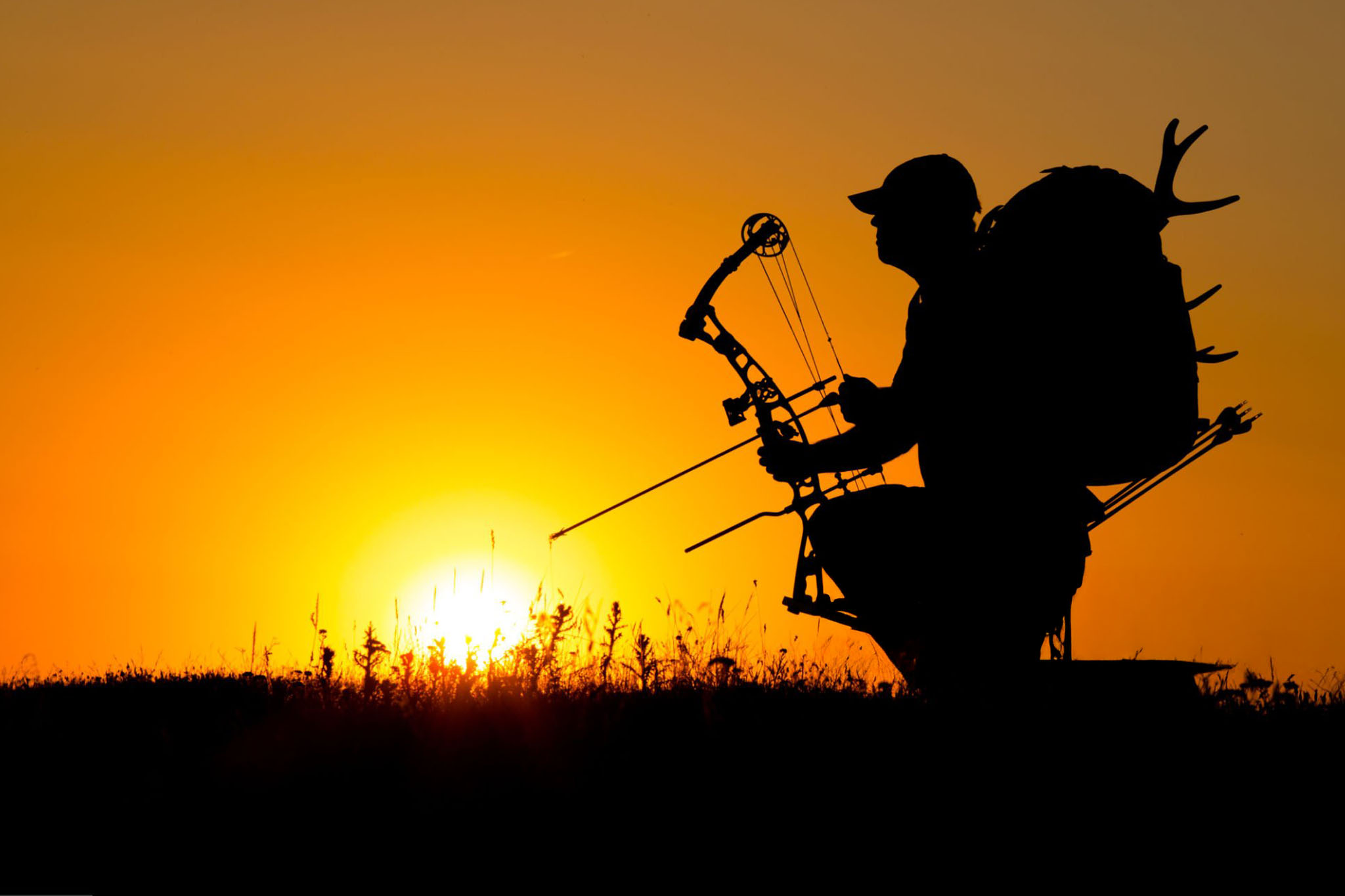
When winter settles in and the woods turn quiet under a layer of frost, many hunters hang up their bows and wait for spring. But for those willing to brave the bitter cold, late-season bowhunting offers some of the most rewarding — and challenging — opportunities of the year. The deer are on strict feeding patterns, pressure is low, and every crisp sunrise brings a shot at a trophy buck. Yet, the cold can also be your worst enemy. Shivering muscles, frozen fingers, and bulky clothing can destroy accuracy faster than a missed shot.
Here’s how to keep both accuracy and warmth in the freezing woods when every degree — and every movement — counts.
🏹 1. Master the Art of Layering Without Losing Mobility
Cold-weather bowhunting starts long before you hit the stand — it begins in your closet. Layering smartly means balancing insulation and flexibility.
- Base Layer: Start with a moisture-wicking merino wool or synthetic base layer. It keeps sweat off your skin so you don’t freeze once you stop moving.
- Mid Layer: Add a fleece or grid-pattern thermal for warmth that traps heat but still breathes.
- Outer Layer: Choose a quiet, windproof, and water-resistant shell. Avoid stiff materials that crackle with movement.
Your clothing should move silently with your draw. Remember — staying warm is useless if you can’t shoot comfortably.
🧤 2. Protect the Hands Without Sacrificing Feel
Cold fingers are the first casualty of late-season hunts. Numb hands can ruin a perfect release or cause you to flinch.
- Use half-finger or fold-back gloves designed for archers. These keep your trigger fingers exposed while protecting the rest.
- Carry chemical hand warmers in your pockets. Rotate them before each draw to restore dexterity.
- A hand muff around your waist is an underrated gem — you can keep your hands warm without bulky gloves that compromise grip.
Tip: Slip a thin merino glove liner under your main glove for an extra layer of comfort.
🎯 3. Keep Your Bow in Top Cold-Weather Condition
Frigid temps affect your bow just like they affect you. Strings stiffen, lubricants thicken, and your draw weight may feel heavier than usual.
- Store your bow in a cool place before the hunt — not in a warm truck cab. This prevents condensation that could freeze later.
- Wax your strings to repel moisture.
- Check your sights and peep before you climb the stand; cold air can slightly shift your setup.
- Avoid over-lubricating cams or rest parts — use products made for sub-zero conditions.
A well-maintained bow ensures your accuracy doesn’t freeze up with the weather.
🪶 4. Manage Your Breath and Body Movement
Late-season whitetails are edgy — they’ve seen it all. In cold air, even your breath can give you away.
- Exhale slowly through your nose to minimize visible vapor.
- If wind direction is unpredictable, consider a face mask or gaiter that diffuses your breath.
- Stretch occasionally in your stand to keep blood flowing — small movements prevent stiffness but keep them subtle and silent.
Tip: Avoid “huffing” warm air into your gloves; it adds moisture and cools down faster than you think.
🔥 5. Stay Warm from the Core Out
Accuracy comes from stability — and you can’t stay steady if you’re shivering. Warmth starts with your core temperature.
- Eat high-fat snacks like jerky, trail mix, or peanut butter to keep your body fueled.
- Sip warm liquids from a thermos. Coffee works, but hot broth or tea lasts longer without dehydrating you.
- Avoid cotton socks — once they get damp, you’ll lose heat fast. Go for wool or thermal synthetics and use insulated boots with room to breathe.
When your core stays warm, your hands and focus follow.
🦌 6. Adjust Shooting Form for Heavy Clothing
Cold-weather layers change your anchor points. Practice in your full hunting setup before the season.
- If your string hits your sleeve, use an arm guard or slim down your outer layers around the elbow.
- Lower your draw weight slightly if the cold makes it hard to pull back smoothly. A shaky draw equals a missed shot.
- Practice with gloves and gaiters on — replicate every condition you’ll face in the field.
Muscle memory is your best defense against the cold.
🌨️ 7. Mental Edge: Patience in the Freeze
Hunting in freezing weather isn’t just a test of endurance — it’s a battle of mindset. The deer will move late. The wind will sting. Your fingers will ache. But staying still and patient separates successful bowhunters from the rest.
Take slow breaths. Watch the treelines. Trust your preparation.
That one late-morning movement in the frosty stillness could be your season’s defining moment.
🏕️ Final Thoughts: Comfort Fuels Confidence
Bowhunting in bitter cold conditions isn’t for everyone — but it rewards those who prepare with precision. When your gear is dialed, your layers are right, and your focus is steady, you’ll find that the cold becomes part of the experience rather than an obstacle.
Because when you can draw back with frozen breath in the air and still hit your mark, you’re not just hunting — you’re mastering the elements.
