
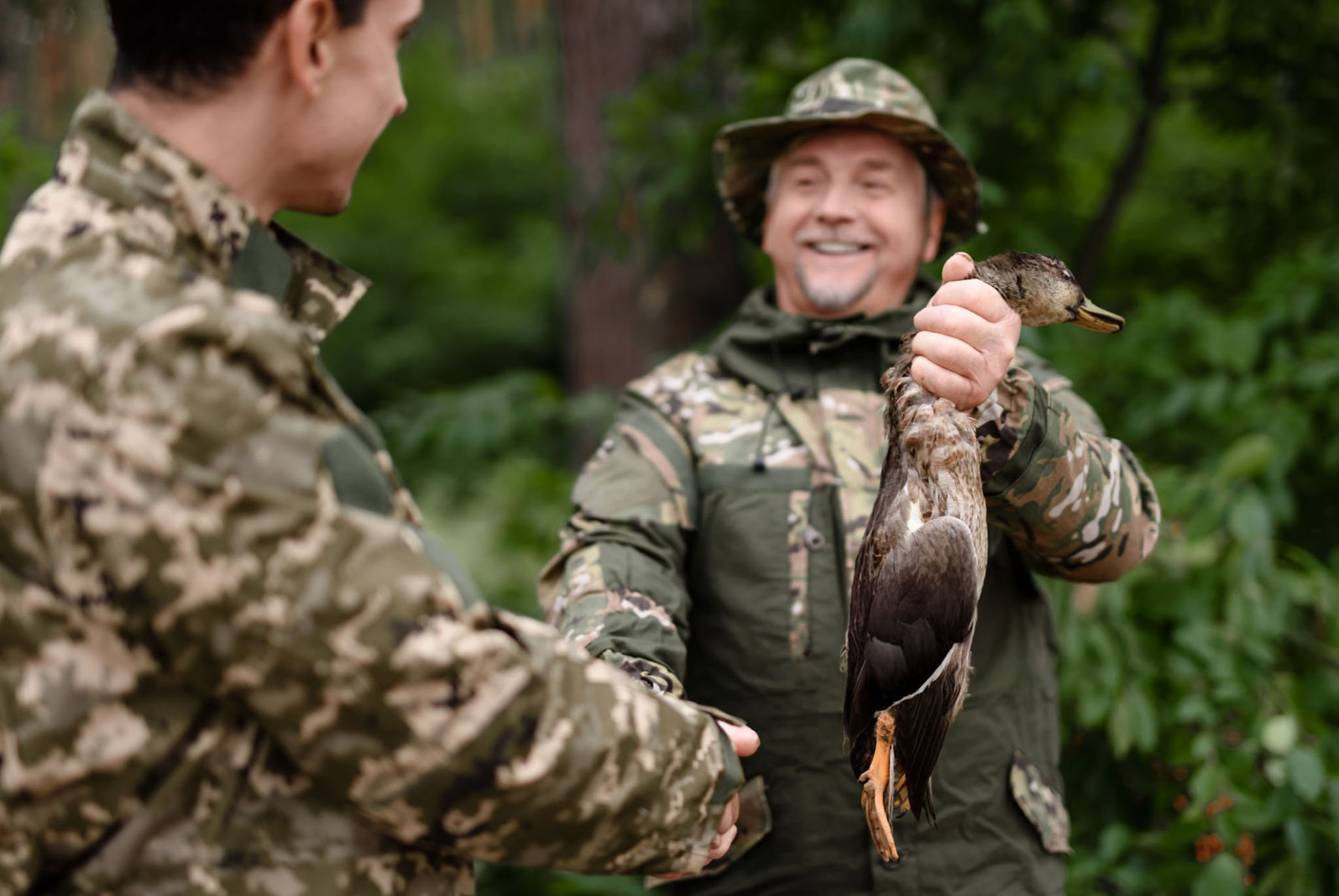
When the sky darkens, the wind picks up, and the air feels heavy with pressure, duck hunters know it’s time to be in the blind. There’s something electric about the hours before a storm front moves in—a restless energy that seems to ripple through the marsh. Ducks feel it too. Long before raindrops fall or snowflakes start swirling, they take to the air in remarkable numbers. Understanding why ducks fly best before the weather turns—and how to hunt them during that narrow window—can transform your late-season success.
The Science Behind Pre-Storm Movement
Waterfowl are incredibly sensitive to atmospheric changes. As a low-pressure system approaches, air pressure drops, winds shift, and humidity spikes. These environmental cues act as biological alarms, triggering feeding and flight activity.
Ducks, especially mallards, pintails, and teal, seem to instinctively know that bad weather will soon make flying and feeding more difficult. Before the front hits, they feed aggressively to build energy reserves and relocate to safer, more sheltered roosts.
In simple terms: when ducks feel the storm coming, they get moving. And that’s your cue to be ready.
Why Timing Is Everything
Hunters who succeed during storm systems understand one key principle—ducks move most before the front, not during it.
When heavy rain, snow, or high winds actually arrive, ducks often hunker down, seeking protection and conserving energy.
But the hours leading up to the front—that’s when the sky comes alive. You might see new flocks migrating in from the north, locals switching feeding spots, and restless birds trading back and forth across the marsh.
If your schedule allows, plan your hunts to align with the pressure drop. A barometer reading below 30.00 inches and falling fast is often a perfect indicator that it’s time to grab your gear and head out.
Reading the Signs of a Pre-Storm Flight
Every hunter should learn to recognize the natural signs that a storm is approaching—and the ducks are about to fly:
- Sudden Wind Change: A shift from calm to a brisk south or southwest wind often signals the leading edge of a front.
- Temperature Drop: When you feel the first bite of cooler air, expect movement within the next few hours.
- Cloud Layers Building: Streaks of high cirrus clouds thickening into gray cover are early indicators of an approaching system.
- Increased Noise and Motion: Marsh birds become more vocal and active right before the weather breaks.
These signs are your countdown clock—once they appear, the action can start fast and end just as quickly.
Positioning for Success
The best pre-storm hunts aren’t about luck—they’re about positioning. Ducks on the move are driven by both weather and survival instincts, so they favor certain flight paths:
- Leeward Edges of Lakes and Marshes: Birds seek calmer air and sheltered feeding zones.
- Crop Fields Adjacent to Water: Pre-storm feeding frenzies often happen in corn or rice fields close to resting water.
- River Systems and Drainages: Ducks follow river corridors as they migrate ahead of a front.
Scout these areas before the storm and be ready to adjust quickly—ducks often change their habits within a single day when the pressure drops.
Fine-Tuning Your Spread and Calling
Pre-storm ducks are often traveling in groups, on alert, and eager to find company.
Here’s how to make your setup more convincing:
- Increase Visibility: Use more decoys than usual, spacing them widely to mimic large, active flocks.
- Add Movement: The rising wind provides perfect conditions for spinning wings and jerk cords.
- Call with Urgency: Ducks are social when moving ahead of a front—excited chatter and comeback calls can help pull them in.
Be prepared for high, fast-flying flocks that circle warily before committing. These birds are often migrators, not locals, and they respond best to confident, consistent calling.
Gear Up for the Weather Swing
Pre-storm hunts can be the most rewarding—but also the most punishing—days of the season. Conditions can turn ugly fast.
Dress in waterproof layers, wear durable insulated waders, and pack extra gloves and hand warmers. A good pair of deck boots or knee-high waterproof boots can make the difference between comfort and misery when the first rain hits.
Always monitor radar on your phone or GPS device to avoid being caught in lightning or extreme wind. Once the front arrives in full force, it’s usually time to call it a day.
The Calm After the Chaos
After the storm passes, ducks often sit tight for a day or two. Food sources are waterlogged, temperatures drop, and the wind settles. This lull gives hunters a chance to rest and scout for where the birds relocated.
But for those few hours before the front, when clouds build and the world feels on edge, you’re in one of the most productive—and exhilarating—windows in waterfowl hunting.
Final Thoughts
Storm systems bring challenge and reward in equal measure. Ducks are tuned to nature’s rhythms, and few moments capture that better than their pre-storm flights. By reading the weather, positioning yourself ahead of the front, and understanding why ducks behave the way they do, you can capitalize on one of the most dynamic hunting opportunities of the year.
When the sky darkens and the first wind gust rattles the reeds, you’re not just hunting ducks—you’re hunting the weather itself.
