
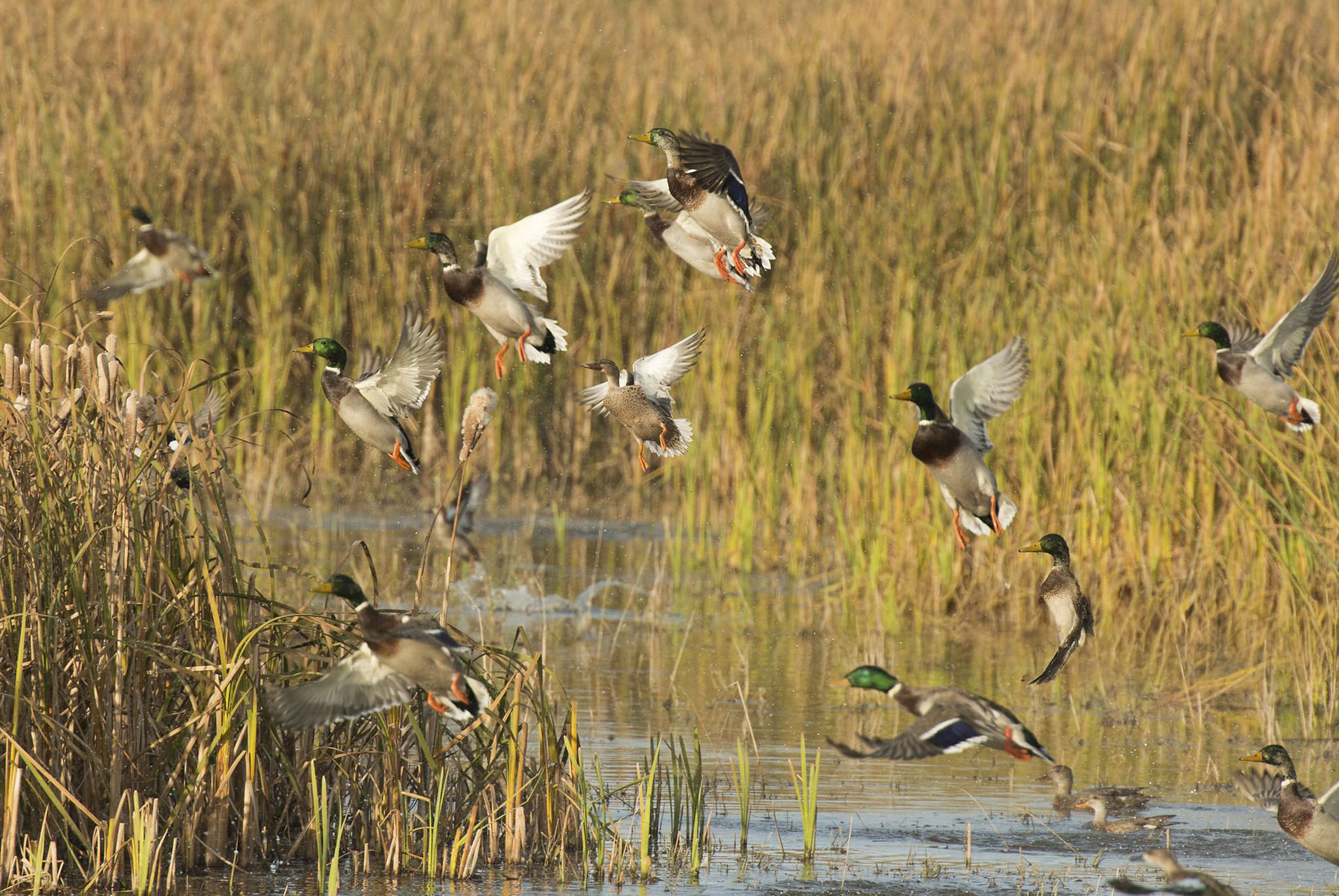
As winter tightens its grip across the continent, the migration of mallards becomes a living rhythm of survival, instinct, and adaptation. For waterfowl hunters, understanding this pattern—especially around the critical freeze line—can mean the difference between empty skies and a full strap. The freeze line marks where open water begins to lock up, and it dictates nearly every move these resilient ducks make as they push south in search of food and open roosts.
Understanding the Freeze Line: The Mallard’s Migration Highway
Mallards are remarkably adaptable, but when water starts icing over, their options shrink fast. The freeze line—the transitional zone between frozen and open water—acts as a natural border that guides their movements. As northern lakes and marshes seal up, mallards shift southward, stacking up along rivers, reservoirs, and flooded fields that still offer open water and food sources.
Hunters who track this moving boundary often stay in the action long after northern hunters have packed up for the year. Apps that monitor weather fronts and temperature drops can help pinpoint these migration shifts. When daytime highs hover just above freezing and nights dip below, expect big flocks to move.
Timing the Migration: Reading the Weather
Mallards move in rhythm with the weather. Sharp cold fronts, north winds, and dropping temperatures are classic migration triggers. But it’s not just about the chill—it’s about duration.
A single frosty night won’t push birds, but a sustained cold snap that locks up shallow wetlands will send them packing. On the other hand, mild spells can hold ducks in mid-latitude zones for weeks.
Smart hunters plan their hunts around these weather cycles—getting in position just ahead of a strong front, when birds are restless and ready to move.
Where to Find Birds Below the Freeze Line
Once the freeze line sets in, mallards concentrate around a few key habitat types:
- Rivers and Creeks: Flowing water resists freezing and provides roosting areas. Ducks often feed in nearby crop fields and loaf on sandbars by day.
- Power Plant Lakes and Reservoirs: The warm discharge from power facilities keeps parts of these waters open year-round, creating reliable refuges.
- Flooded Timber and Fields: If temperatures are mild enough to prevent full freeze-up, these areas offer both food and cover—a winning combination.
- Southern Impoundments: As the migration progresses, managed wetlands in the South become the final strongholds for wintering flocks.
Hunters who scout ahead, checking where open water remains, often find themselves right in the middle of migrating concentrations.
Adapting Your Spread for Midwinter Ducks
Mallards that have traveled hundreds of miles and seen every decoy spread from Saskatchewan to Missouri become wary and selective.
To fool these late-season veterans, subtlety matters:
- Use fewer decoys. Late in the season, smaller groups feel more natural.
- Add movement. Spinning-wing decoys can still work, but flagging and jerk rigs often look more authentic in cold, still air.
- Mix species. Include pintails, gadwalls, or wigeon to mimic diverse flocks mallards naturally join.
- Watch the ice. Breaking small pockets of open water in a frozen pond can be irresistible to ducks seeking rest.
Staying Ahead of the Birds
Following the migration means thinking like the birds. They don’t migrate on a calendar—they move on conditions.
Monitor northern weather, check satellite imagery for ice coverage, and talk to other hunters along the flyway. Social media reports can be useful, but local scouting always trumps secondhand info.
Some hunters even make a season-long journey out of it, trailing the migration from the Dakotas to Arkansas, matching the pace of the freeze line like a mobile waterfowl camp.
Final Thoughts
The freeze line is more than a weather boundary—it’s a map of opportunity. For those willing to follow it, it represents the living pulse of the mallard migration.
By understanding how temperature, food, and open water dictate bird movement, hunters can stay in productive areas long after others have given up.
Late-season duck hunting is about persistence, adaptability, and respect for the rhythms of the wild. When you chase mallards through the freeze line, you’re not just following ducks—you’re following the heartbeat of winter itself.
