
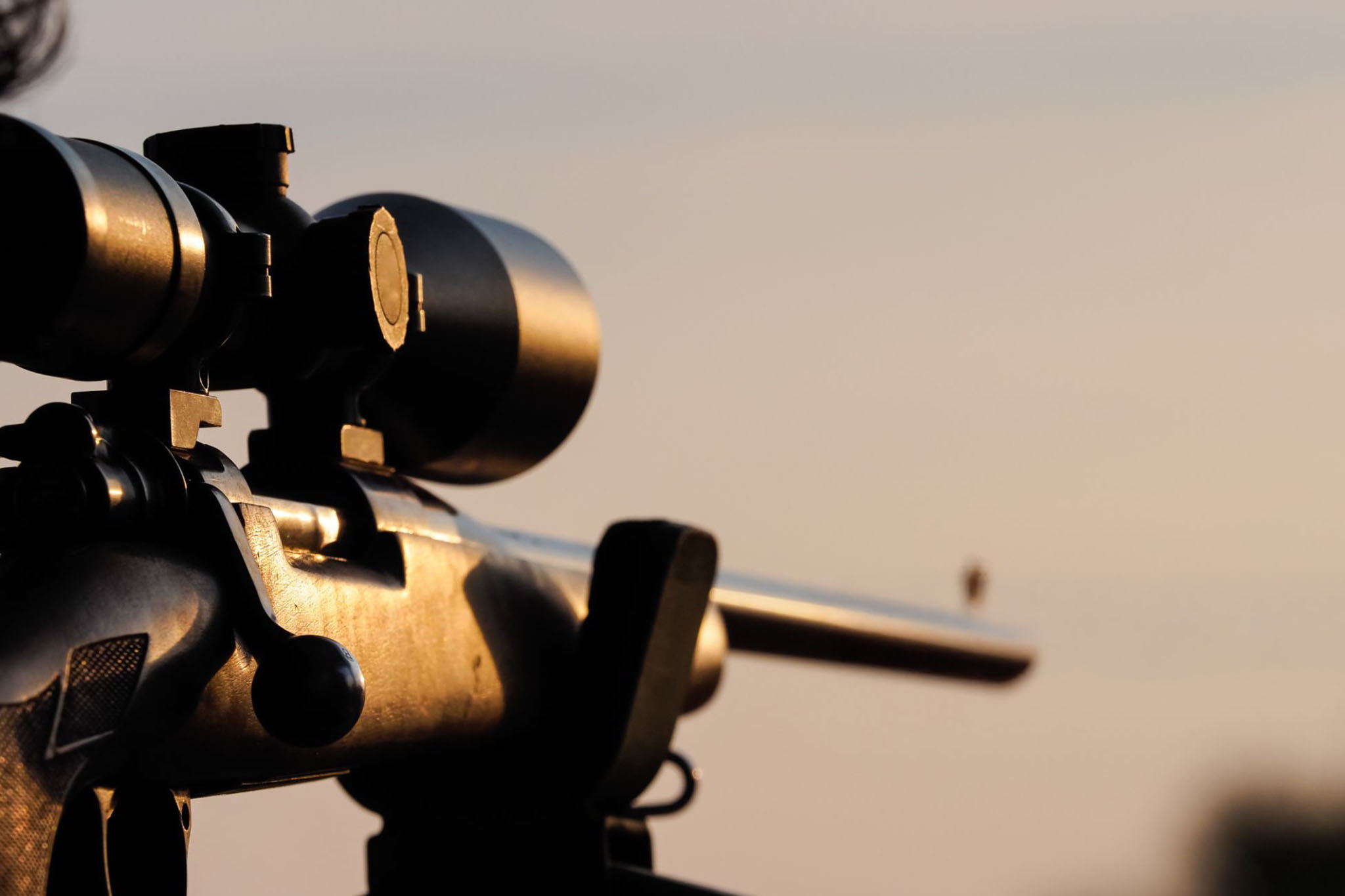
When the air turns crisp and frost clings to every blade of grass, late-season hunters face one of the toughest decisions of the year: gun or bow? It’s not just about preference—it’s about performance, precision, and how your weapon of choice handles the biting cold. Both firearms and bows have distinct advantages when winter locks the woods, and understanding those differences can be the key to success when every opportunity counts.
1. The Case for the Gun: Power, Range, and Efficiency
When temperatures drop and animals grow wary after months of hunting pressure, firearms offer a clear edge in range and stopping power. A well-sighted rifle or shotgun can make the difference between a filled tag and a haunting memory of “the one that got away.”
Advantages of Using a Gun in Cold Conditions:
- Extended Range: Firearms allow you to reach game that hangs up beyond bow range—often 100 to 300 yards away. This is particularly useful when deer or ducks are reluctant to close the distance on open fields or frozen marshes.
- Quick Recovery: With a firearm, clean shots are more attainable in unpredictable conditions, ensuring humane kills when precision counts.
- Reliable Penetration: Thick winter coats and dense muscle tissue require energy transfer—something bullets and buckshot deliver consistently.
- Ease of Handling in Layers: Heavy gloves and bulky jackets can make drawing a bow difficult, but rifles and shotguns are easier to manage when you’re bundled up.
Cold-Weather Tip: Keep your firearm dry and free from condensation. Moisture can freeze inside the barrel or action, leading to dangerous malfunctions. Use a lightweight oil that won’t thicken in subzero temps, and store your gun in a cold area before the hunt to prevent fogging.
2. The Case for the Bow: Silence, Challenge, and Stealth
For many hunters, bowhunting in the cold isn’t just about the kill—it’s about the pursuit. When snow crunches underfoot and the woods fall still, a bow offers the kind of quiet precision that keeps you connected to the raw rhythm of the hunt.
Advantages of Bowhunting in Icy Conditions:
- Stealth Factor: Bows are nearly silent, allowing hunters to operate undetected in still, sound-carrying air. In cold, clear weather, every metallic click or gunshot carries farther than you think.
- Closer Encounters: Cold-season bowhunters thrive on proximity—those adrenaline-filled 20-yard shots where skill, patience, and timing align perfectly.
- Extended Season Opportunities: In many states, bow seasons extend later than firearm seasons, offering more days in the woods and less competition from other hunters.
- Deeper Connection: Many hunters find that bowhunting in the cold tests their grit. Drawing a bow when muscles are stiff and breath fogs the air demands focus, discipline, and raw determination.
Cold-Weather Tip: Keep your bow strings waxed and your cams clean. Moisture and ice can seize up moving parts. Store your release aid close to your body to keep it flexible and responsive.
3. The Weather Factor: How Cold Impacts Each Weapon
Cold affects ballistics and performance—whether you’re firing a bullet or releasing an arrow.
- Firearms: Cold air is denser, slightly altering bullet trajectory. Ammunition stored in the cold may also lose a small amount of velocity. Keep rounds dry and at a stable temperature when possible.
- Bows: Cold reduces string elasticity and arrow speed. Carbon arrows often perform better in freezing temperatures than aluminum shafts, maintaining consistency in flight.
Wind chill is another hidden factor. It can push bullets off course and deflect lighter arrows. Understanding the wind direction before you shoot—and compensating accordingly—can make the difference between a hit and a miss.
4. Terrain and Tactics: Matching Your Weapon to the Landscape
Your weapon choice should reflect your environment.
- Open Country or Crop Fields: Firearms excel in wide, exposed terrain where long shots are common and cover is scarce. A scoped rifle lets you reach distant deer feeding on leftover corn or soybeans.
- Timber and Brushy Cover: Bows dominate in tight quarters. When visibility is limited and deer travel defined trails, you can set up close to natural funnels for high-percentage opportunities.
- Waterfowl Hunts: Shotguns reign supreme here. Whether jump-shooting creeks or waiting over decoys, the ability to reach fast-moving birds in bitter wind is unmatched.
If you hunt both habitats, consider switching midseason—start with firearms when conditions are open and visibility high, then transition to bowhunting as deer herd up and move predictably in the woods.
5. The Mindset: It’s Not the Weapon—It’s the Hunter
At the end of the day, late-season success depends less on the tool and more on the hunter behind it. Whether you choose a rifle or a bow, cold-weather hunting demands preparation, patience, and mental toughness.
It’s about sitting through the biting wind when everyone else is home by the fire. It’s about knowing your gear so well that the cold can’t beat you.
The best weapon? The one you trust when your fingers are numb, your breath hangs in the air, and the trophy of the season finally steps into view.
Final Thoughts: Balance, Grit, and Choice
Winter hunting doesn’t offer comfort—it offers clarity.
When you choose between gun and bow, you’re really choosing your style of pursuit: precision at range or stealth up close. Both are deadly in the right hands; both demand mastery in the cold.
So, this season, don’t just ask, “Which weapon should I use?” Ask instead, “What kind of hunt do I want to remember?”
