
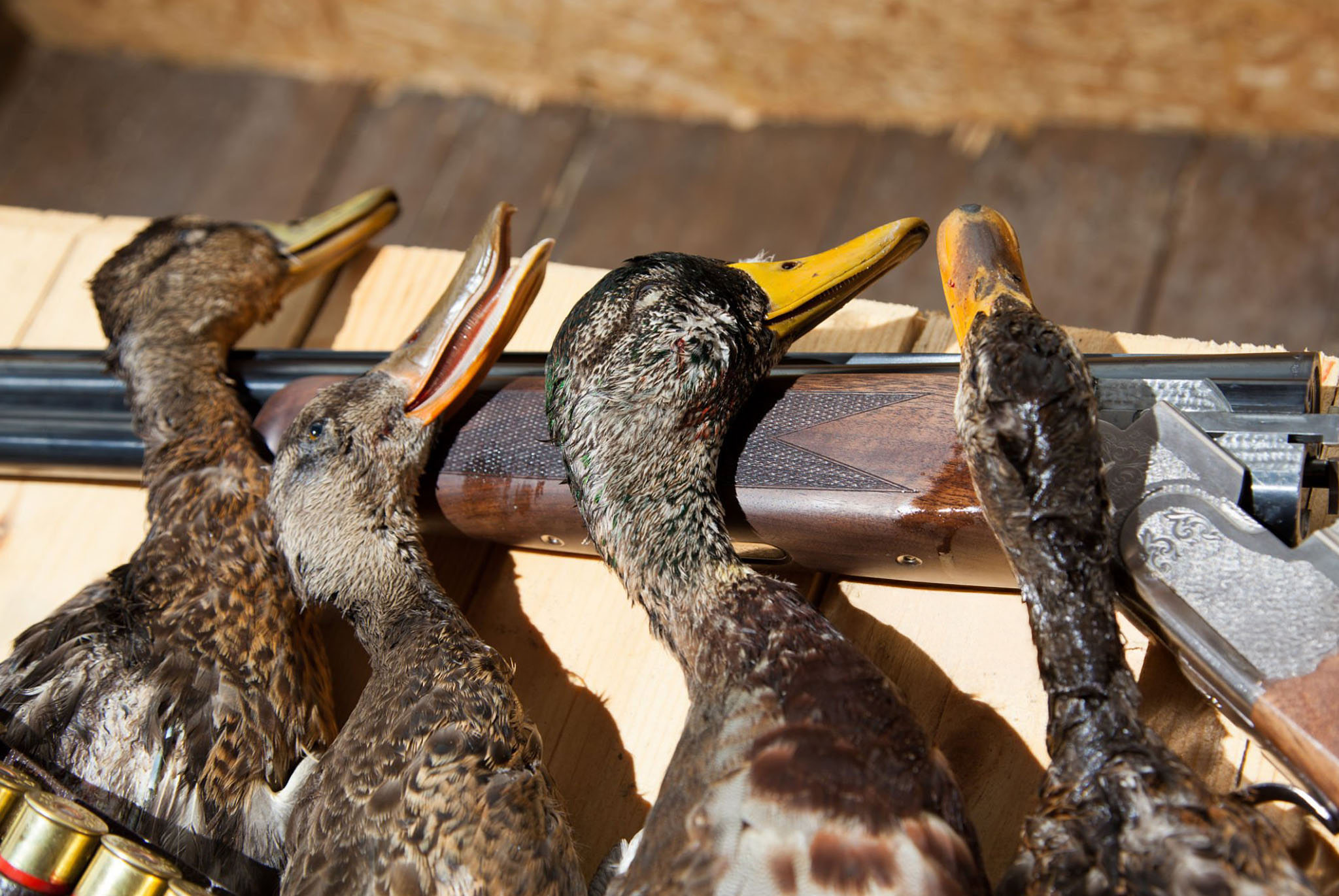
For duck hunters, weather isn’t just a backdrop — it’s the heartbeat of every hunt. The rhythm of clouds, wind, and changing fronts determines how, when, and even if ducks take to the sky. Understanding these weather-driven behaviors can turn an average morning into a full strap of birds. Whether you’re chasing mallards on flooded timber or pintails over open marsh, reading the weather is one of the most powerful tools in your hunting arsenal.
Clouds: The Hidden Ally of a Hunter
Overcast days often make for the best shooting. Ducks feel safer when the sky is gray — the muted light softens reflections on decoys and blinds, helping hunters remain concealed. Bright, clear days, on the other hand, make water surfaces glare and blinds stand out like warning signs.
Cloud cover also affects duck movement timing. On cloudy days, ducks tend to fly later in the morning and earlier in the evening since they don’t rely as heavily on sunlight for navigation. During cold fronts, thick clouds can also trap a bit of warmth, keeping shallow waters open a little longer — a subtle but critical advantage for both ducks and hunters.
Pro tip: Use decoys with more natural, matte finishes on sunny days to reduce shine. On cloudy mornings, contrast matters more than reflection, so darker decoys stand out better.
Wind: The Flight Path Architect
If clouds affect how ducks see, wind dictates how they fly. Ducks, especially mallards and teal, prefer to land and take off into the wind. This gives them more control and a slower descent — something smart hunters use to their advantage when setting spreads.
A steady 10–15 mph wind is ideal. It keeps decoys in motion, ruffles the water just enough to mimic life, and forces ducks to commit to a predictable landing direction. Too little wind makes spreads look dead; too much wind can push birds too fast, making shots harder to line up.
Spread setup tip:
- Set your decoys with the landing zone on the downwind side, ideally with an open pocket 15–20 yards from your blind.
- Adjust your blind angle so you’re facing crosswind — that way, birds land sideways across your shooting lanes instead of right at you.
When cold fronts roll in, wind direction can change dramatically overnight. If the breeze shifts from the south to the north, expect migratory ducks on the move — they’ll ride that north wind to find fresh feeding and resting areas.
Temperature and Fronts: Timing the Migration
Temperature changes and barometric shifts are the silent drivers of large-scale duck movements. A sharp drop in temperature — especially after a front — signals ducks to move southward. These migrations often happen overnight or just ahead of freezing conditions when northern waters begin to ice over.
A rising barometer after a storm often brings bright skies and calmer winds — not great conditions for decoying, but excellent for scouting. Ducks are typically loafing, resting, or feeding heavily during this phase.
A falling barometer, however, means ducks are on the move. As the air pressure drops before a storm, they feed aggressively and fly lower, making them more responsive to calls and decoys.
Hunting strategy:
- Hunt aggressively right before a front passes — ducks will be moving fast and hungry.
- After the storm, switch to a more relaxed setup with quiet calling, mimicking content birds rather than aggressive feeders.
Moisture and Visibility: Reading the Sky
Fog and drizzle can be both friend and foe. While limited visibility makes calling more effective and forces ducks to rely on close-range cues, it also makes locating flocks harder. Use louder hail calls and keep spreads tighter in foggy weather.
When snow enters the picture, contrast becomes key. White decoys or mixed species spreads with darker mallards can help ducks pick up visual cues better from the sky. In snow, ducks often feed in short bursts between flakes — a perfect time to intercept them over open water or flooded fields.
Conclusion: Weather Is the Ultimate Teacher
Seasoned duck hunters don’t just watch the weather — they hunt through it. Every gust, cloud bank, and temperature shift reveals clues about how ducks think and move. When you learn to interpret these signals, you stop chasing ducks — and start being where they’re headed.
So next time you head out, don’t just pack shells and calls. Pack patience, pay attention to the sky, and remember: the wind, the clouds, and the wings always tell a story — if you’re willing to listen.
