
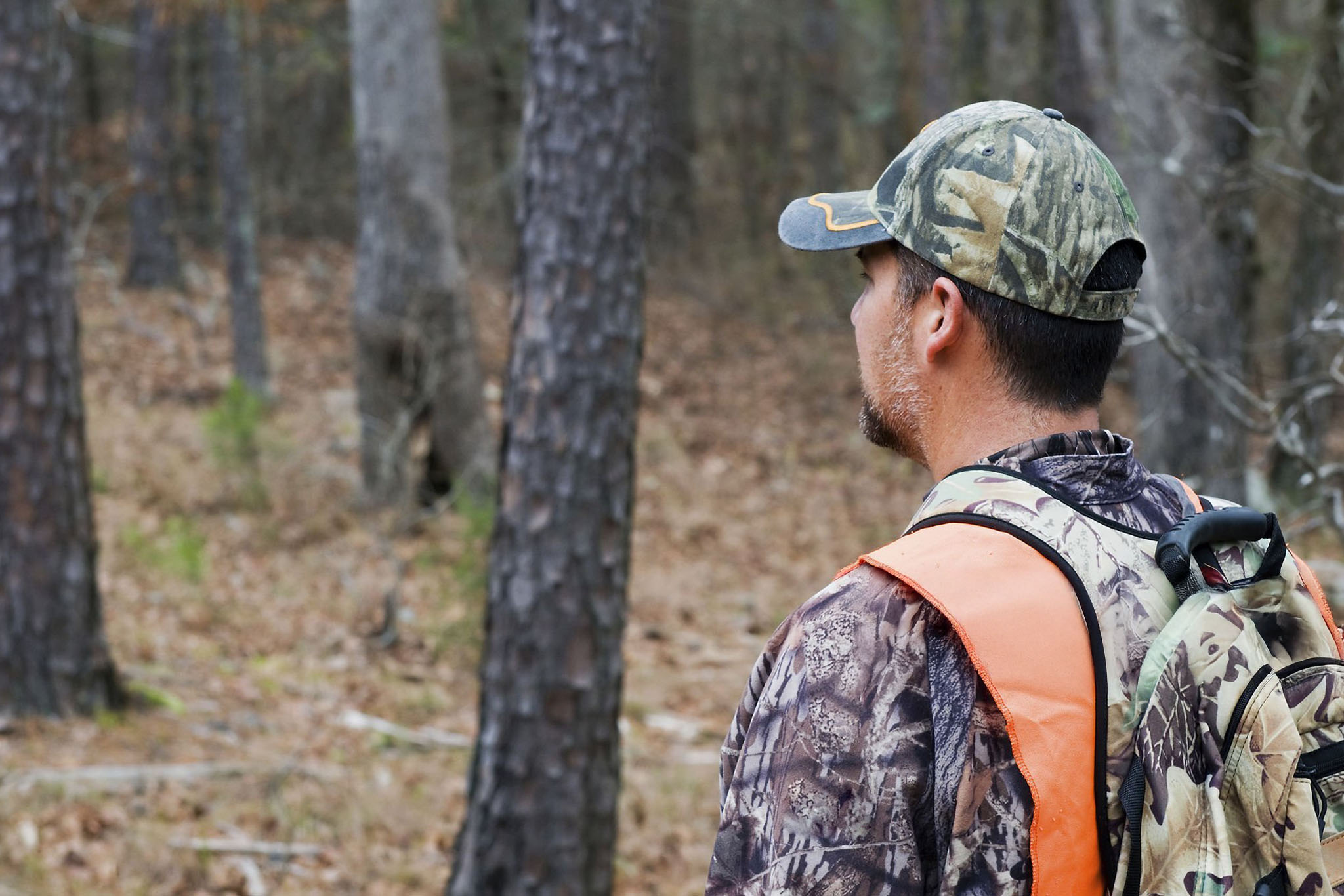
When the chaos of the rut fades and the woods grow quiet again, the whitetail world changes. Bucks that once moved recklessly across open fields and trails now turn into shadows—cautious, calculated, and almost invisible. Hunting during the post-rut is a game of patience and precision, where pressure—both hunting and environmental—shapes every decision a deer makes. Understanding how whitetails respond in this phase is the key to tagging that late-season trophy when others have hung up their rifles.
The Calm After the Storm
By late November and into December, most breeding activity has wound down. The testosterone-fueled chaos of the rut gives way to survival mode. Bucks that have been running hard for weeks are physically depleted, carrying injuries and fat loss from the rut’s grind. Food, rest, and safety become top priorities.
This is the period when hunting pressure has its greatest impact. Months of human scent, gunfire, and disturbance have taught deer which paths are safe—and which are not. They retreat to the thickest, most remote cover they can find, often moving only under low light or darkness.
Insight: The post-rut woods are a chessboard. Every sound, scent, and step matters. The deer are still there—you just have to hunt the way they live now: quietly and strategically.
Understanding Pressure: The Human Factor
Deer learn fast, especially mature bucks. After several weeks of hunters filling the woods, their behavioral patterns shift dramatically.
- They Avoid Open Terrain: Fields and clearings that were productive in early November often turn empty.
- They Move Later: Daylight activity drops sharply. Most travel occurs in the gray moments of dawn and dusk.
- They Circle With the Wind: Bucks use wind to test trails before stepping out.
- They Bed Deeper: Expect bedding areas in nasty, hard-to-reach cover—blowdowns, swamps, or dense pines.
To counteract this, hunters must reduce their own footprint. Every intrusion—every scent molecule, snapped twig, or glint of metal—teaches deer to avoid your setup. This is why post-rut success depends more on stealth and restraint than aggression.
The Role of Environment and Weather
Pressure isn’t just about hunters. Weather patterns also play a part in shaping deer behavior during this time. Cold snaps, shifting winds, and food availability push deer into specific rhythms.
- Cold Fronts: Trigger brief feeding windows during daylight hours, especially before a storm hits.
- High Pressure Systems: Calm, still days can make deer uneasy; movement tends to happen in shaded or protected areas.
- Snowfall: Encourages patternable movement as deer stick to defined travel routes between bedding and food sources.
Smart hunters watch not only the weather forecast but also the barometric trends and moon phase to predict when pressured deer might drop their guard.
Hunting Strategy: Stealth Over Aggression
This is not the time for loud rattling or heavy foot traffic. Success comes to those who move like ghosts.
1. Go Deep or Stay Home
Find overlooked spots other hunters avoid—thick creek bottoms, small patches of timber between roads, or steep ridges that require effort to reach. Pressured bucks favor these “sanctuary zones.”
2. Think Wind, Always
Set up with a crosswind whenever possible. Post-rut deer live and die by their noses, and even a faint drift of scent will blow your opportunity.
3. Hunt Food Sources, Not Trails
After the rut, deer feed heavily to rebuild lost fat reserves. Key late-season foods include:
- Standing corn or soybeans
- Acorns (especially red oak varieties that last into winter)
- Brassica plots or winter rye
- Browse along south-facing slopes
Focus on the edges where thick cover meets these food sources. Bucks rarely march right in—they stage 30–60 yards back, waiting for darkness.
4. Minimize Disturbance
Avoid over-hunting a single stand. Once you’re busted, that area can go cold for weeks. Rotate setups, and always enter and exit quietly.
Reading the Woods After the Rut
In post-rut terrain, sign tells a subtle story. Rubs and scrapes are still there, but they’re less active. What matters now are tracks, droppings, and thermal cover clues.
- Fresh tracks in snow reveal nightly feeding patterns.
- Concentrated droppings near dense cover show bedding proximity.
- Trails running parallel to ridges or edges signal travel between food and safety.
Deer will almost always favor south-facing slopes for bedding during cold weather—they get more sun and block prevailing north winds. If you find one connected to thick brush and nearby food, you’ve found a prime post-rut setup.
Mental Game: Patience and Persistence
Hunting pressured deer in silent woods tests your discipline. You might go days without seeing movement, but every sit builds data. Stay alert during “slow” hours—late mornings and early afternoons often produce surprise appearances from worn-down bucks looking for isolated food.
Remember: Post-rut hunts reward observation and restraint. The woods might seem dead, but deer are adapting, surviving, and moving on their own time.
Gear Up for the Quiet Season
When temperatures plummet and patience is your main weapon, comfort and silence are key.
- Quiet Outerwear: Choose soft-shell or fleece materials that won’t rustle.
- Insulated Boots: Cold feet end hunts early—brands like Trudave and Hisea provide dependable warmth and waterproof protection.
- Compact Packs: Carry only essentials to reduce noise and scent spread.
- Hand Warmers and Thermals: Help you stay still when the chill bites.
Every movement counts—gear that helps you remain undetected and motionless directly increases your odds.
Final Thoughts
The post-rut phase separates seasoned hunters from casual ones. The deer that remain active now are survivors—keen, wary, and hypersensitive to human presence. But with the right mindset and tactics, you can match their intelligence and patience.
In the silent woods of winter, success doesn’t come from luck or loud calling—it comes from understanding pressure, reading sign, and moving like the wind itself. The reward? That ghostly buck slipping through the frost-bitten timber when everyone else believes the season is over.
