
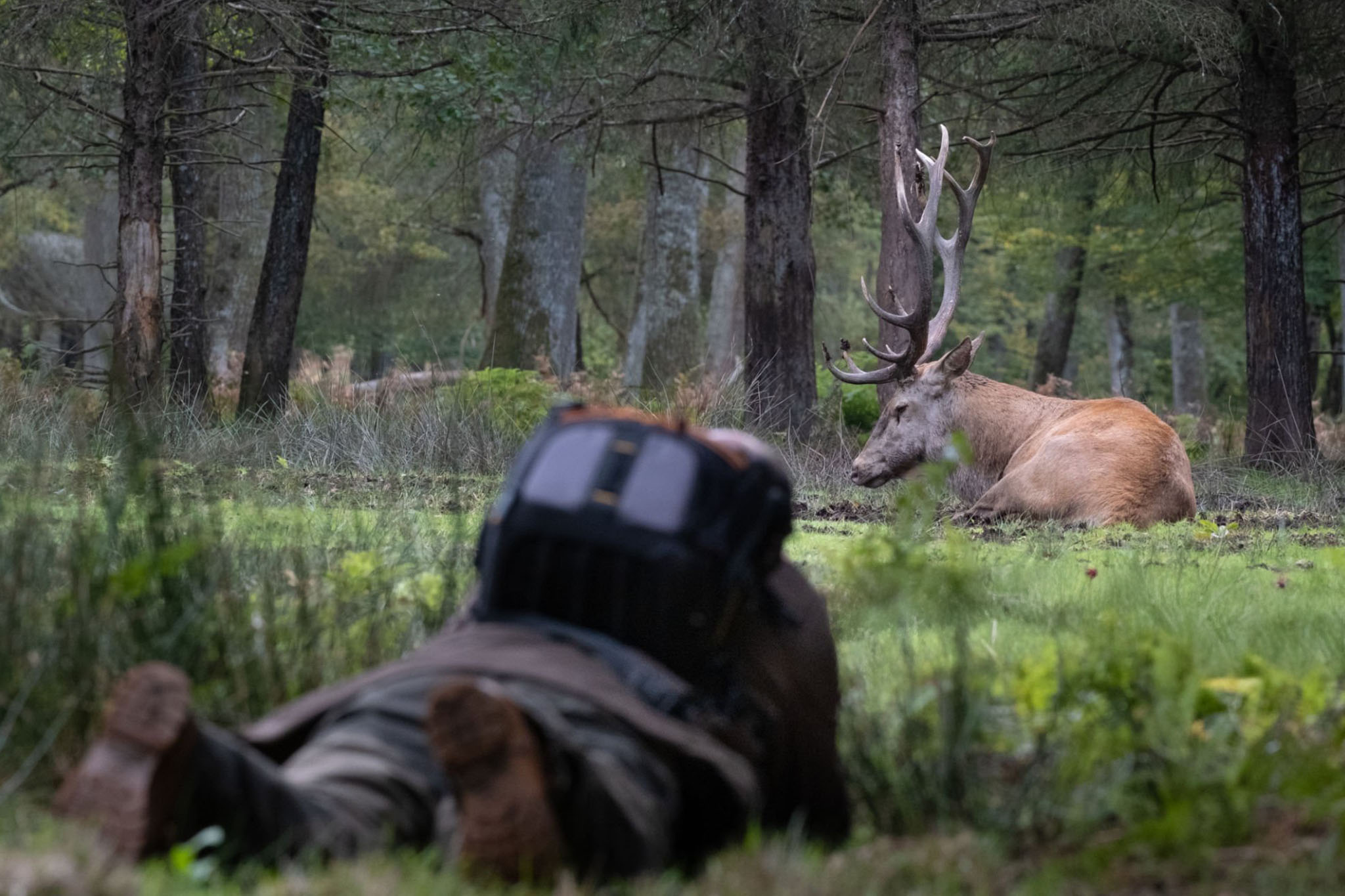
When most hunters are back at camp sipping coffee or grabbing lunch, the woods often feel empty and lifeless. The morning rush has faded, the forest goes quiet, and it seems like everything with a heartbeat has gone still. But for those who’ve learned to read nature’s rhythms, this midday lull is one of the most underrated windows of deer movement all season long.
The Myth of “Dead Time” in the Woods
Many hunters call it quits by 10 a.m., believing deer go completely nocturnal once the sun’s high. But in truth, deer—especially mature bucks—often move between late morning and early afternoon. These midday hours aren’t “dead time” at all; they’re transition periods. Bucks relocate from one bedding area to another, check scrapes, or slip between feeding zones when human pressure is lowest.
During the rut, this effect amplifies. Bucks cruising for does often move throughout the day, but around noon they’re less cautious and more willing to travel open areas or cross windlines, assuming hunters have already left.
Why Deer Move Midday
Several factors drive midday deer activity:
- Thermal Shifts: As the air warms, scent currents rise. Deer adjust their positions to keep their noses in the best airflow, often relocating bedding spots to maintain a wind advantage.
- Feeding Cycles: Deer don’t strictly feed at dawn and dusk. If they fed lightly in the morning or faced human disturbance, they often rise again to browse during late morning hours.
- Breeding Urges: In November, bucks may bed with does overnight, then get up late morning to resume their search. That movement spike between 11 a.m. and 2 p.m. can be pure gold.
- Hunting Pressure: By midday, most hunters have left. Deer quickly learn this and time their movement accordingly—slipping through areas that were risky just hours before.
How to Set Up for Midday Success
If you’re serious about taking advantage of this window, staying put isn’t enough—you need a strategic setup that capitalizes on deer behavior in the middle of the day.
- Hunt Bedding Transition Zones: Set up downwind of thick cover, near the trails connecting multiple bedding pockets. Midday travelers often follow these low-traffic routes.
- Stay Mobile: Use a lightweight saddle or hang-on setup to relocate quietly if sign points elsewhere. Bucks move unpredictably during midday, so agility is key.
- Play the Thermals: As the air warms, your scent rises. Position slightly above deer trails or on shaded slopes where thermals pull scent upward rather than across.
- Pack for Comfort: Sitting through midday requires patience. Dress in layers to manage temperature swings, and pack snacks or water to stay focused.
Timing and Conditions That Trigger Movement
While midday movement can happen anytime, it’s most pronounced under these conditions:
- Cold, Calm Days: Clear skies and stable air encourage movement between bedding areas.
- Post-Rut Recovery: In late November and early December, bucks recovering from the rut feed more frequently during daylight—especially midday.
- Low Hunting Pressure: On private land or overlooked public sections, deer often shift patterns to match hunter absences.
Real-World Pattern: The 11-to-2 Window
Many veteran hunters swear by the “11-to-2 rule.” Bucks seem to favor this window for slipping through timber or visiting edge scrapes. Game camera data supports it too—trail cams often record lone mature bucks traveling in the middle of the day, even in heavily hunted areas.
If you’ve been seeing good sign but no daylight movement at dawn or dusk, try sitting through the middle hours. You might be surprised at what shows up when the woods seem stillest.
Patience Pays When the Woods Go Quiet
Midday hunting isn’t glamorous. It’s long, cold, and sometimes painfully uneventful. But it’s exactly in those quiet hours—when you start doubting the decision to stay—that mature bucks make their move.
So next time the woods fall silent and the sun hits its peak, resist the urge to leave your stand. Settle in, stay alert, and remember: when the forest feels dead, that’s often when opportunity stirs.
