
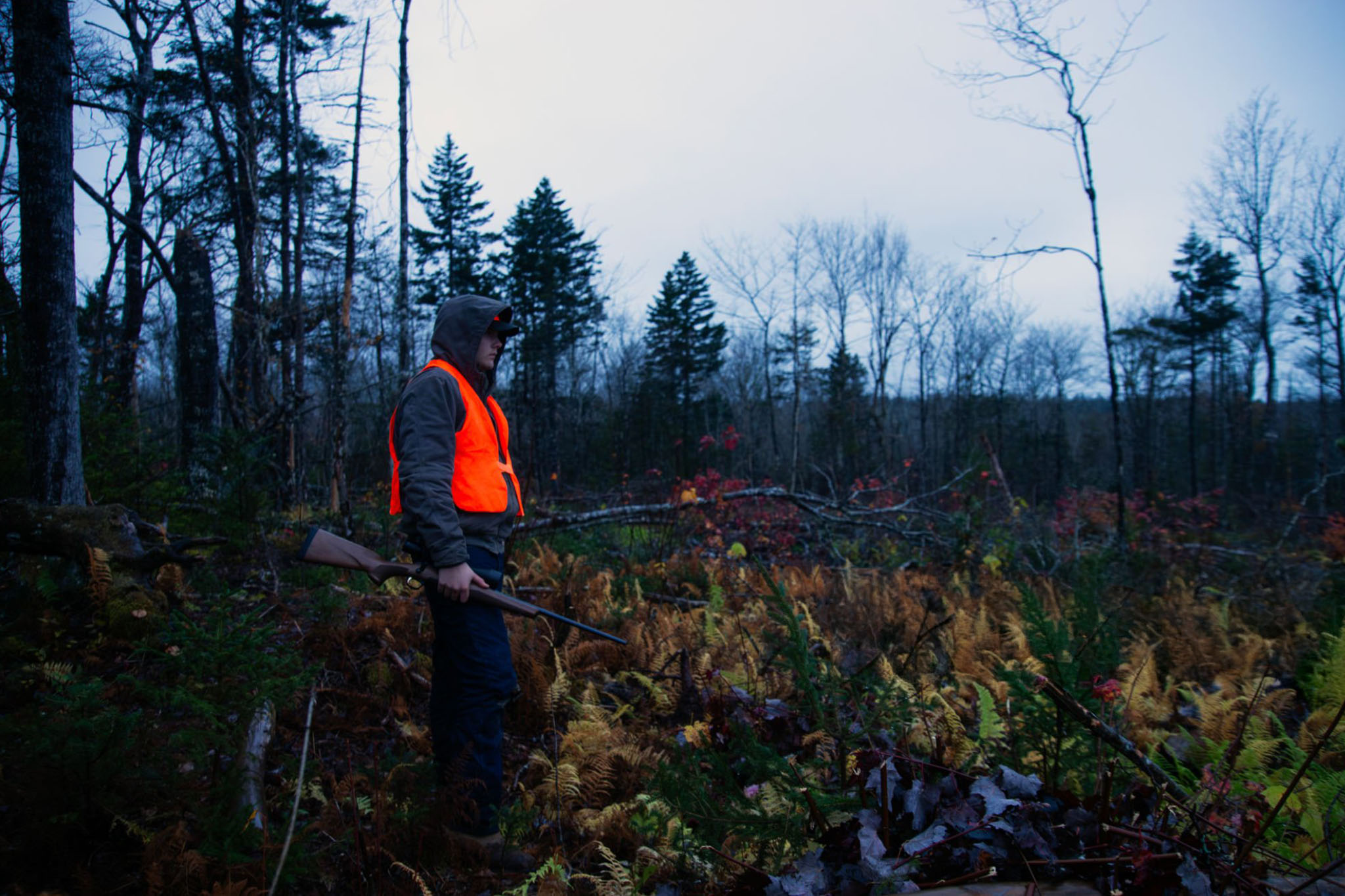
When the woods freeze over and sound carries like a drumbeat, every movement a hunter makes can decide whether the morning ends with success or just another cold sit. Late-season hunts bring a brutal combination of frigid temperatures and sharp-eared game — deer that have survived months of pressure and have learned to react to the slightest noise. That’s why building a silent and warm system is critical. It’s not just about layering for warmth; it’s about choosing materials and gear that let you move without being detected.
1. Silence Starts with Fabric: Know What Makes Noise
Not all cold-weather gear is created equal. The problem with many insulated jackets and bibs is that they rustle — especially synthetic shells designed for wind resistance. On a cold, still morning, that crinkle can travel farther than you’d think.
Choose brushed fleece, wool blends, or soft-shell outer layers that dampen sound while still cutting wind. Many modern hunting brands now produce insulation systems lined with quiet materials that maintain flexibility even in subfreezing temperatures. Avoid anything with stiff membranes or heavy nylon if you’ll be moving through tight cover.
Pro tip: Before the season starts, take your outerwear outside on a frosty morning and move around. If you can hear it, a mature buck definitely can.
2. Build the Core: Layering Without Bulk
Warmth doesn’t have to mean heavy. A good silent system relies on strategic layering — trapping heat, wicking sweat, and allowing freedom of movement. Here’s a simple breakdown that works for most late-season conditions:
- Base Layer: Start with a merino wool or synthetic blend that wicks moisture. Sweat is your enemy; once you’re damp, you’ll get cold fast.
- Mid Layer: Add an active insulation layer — something like grid fleece or Primaloft. It keeps you warm while allowing breathability.
- Outer Layer: A quiet, wind-resistant shell that seals out the cold but won’t betray you with noise.
If you hike to your stand, strip down for the walk. Overheating and sweating early will chill you later when you sit still. Once you settle in, layer back up to retain heat.
3. Manage the Little Sounds That Ruin Big Hunts
A silent system isn’t just about clothing — it’s about awareness. Cold air amplifies everything, from a loose buckle to the click of a safety. Take time before the hunt to soundproof your gear:
- Tape metal buckles or zippers with felt or moleskin.
- Replace noisy plastic straps with paracord.
- Use fleece covers for optics, rangefinders, and bow accessories.
- Keep your backpack zippers waxed and smooth.
Even the faint clink of a rifle sling swivel can send a wary buck on high alert. Every decibel counts.
4. Insulate Feet and Hands — Quietly
Late-season hunting often ends because of numb fingers and toes. But layering for extremities is also where noise creeps in — stiff boots, crunchy gloves, and frozen fabric.
- Boots: Choose insulated, waterproof boots with soft rubber outsoles. A 1200–1600g Thinsulate model keeps warmth in without bulk. Pair them with merino socks and a thin liner sock to wick moisture.
- Gloves: Go with soft-shell insulated gloves that allow trigger control. Keep chemical warmers in your pockets instead of bulky mittens that make noise when grabbing gear.
- Headgear: A fleece-lined beanie and a neck gaiter do wonders for quiet warmth without affecting hearing.
If you use hand warmers or heated gear, make sure batteries or packets are secured and silent.
5. Don’t Forget Movement Discipline
Even the quietest setup can fail if you move at the wrong time. Cold mornings often mean crisp, still air that carries noise for hundreds of yards. When you shift positions, move during cover sounds — a gust of wind, a crow call, or a distant vehicle.
Train yourself to move slowly, deliberately, and smoothly. The sound of fabric stretching fast is more noticeable than slow motion. If you’re drawing a bow or raising a rifle, plan it in advance — anticipate where your shot window will open, and minimize unnecessary adjustments.
6. The Payoff: Comfort Meets Stealth
When you get your system dialed in — warm core, silent gear, disciplined movement — you become nearly invisible in the late-season woods. You can stay longer, focus sharper, and wait for that one chance when a mature buck slips through the frosty timber.
Success in late-season hunting isn’t about luck — it’s about preparation. The hunters who stay comfortable, undetected, and patient are the ones dragging deer through the snow while others are warming up in the truck.
Final Thoughts
Building a silent and warm hunting system is an art — one that combines the science of insulation with the skill of stealth. Test your gear, layer smart, and move with intent. In the icy stillness of winter woods, the quietest hunters always win.
