
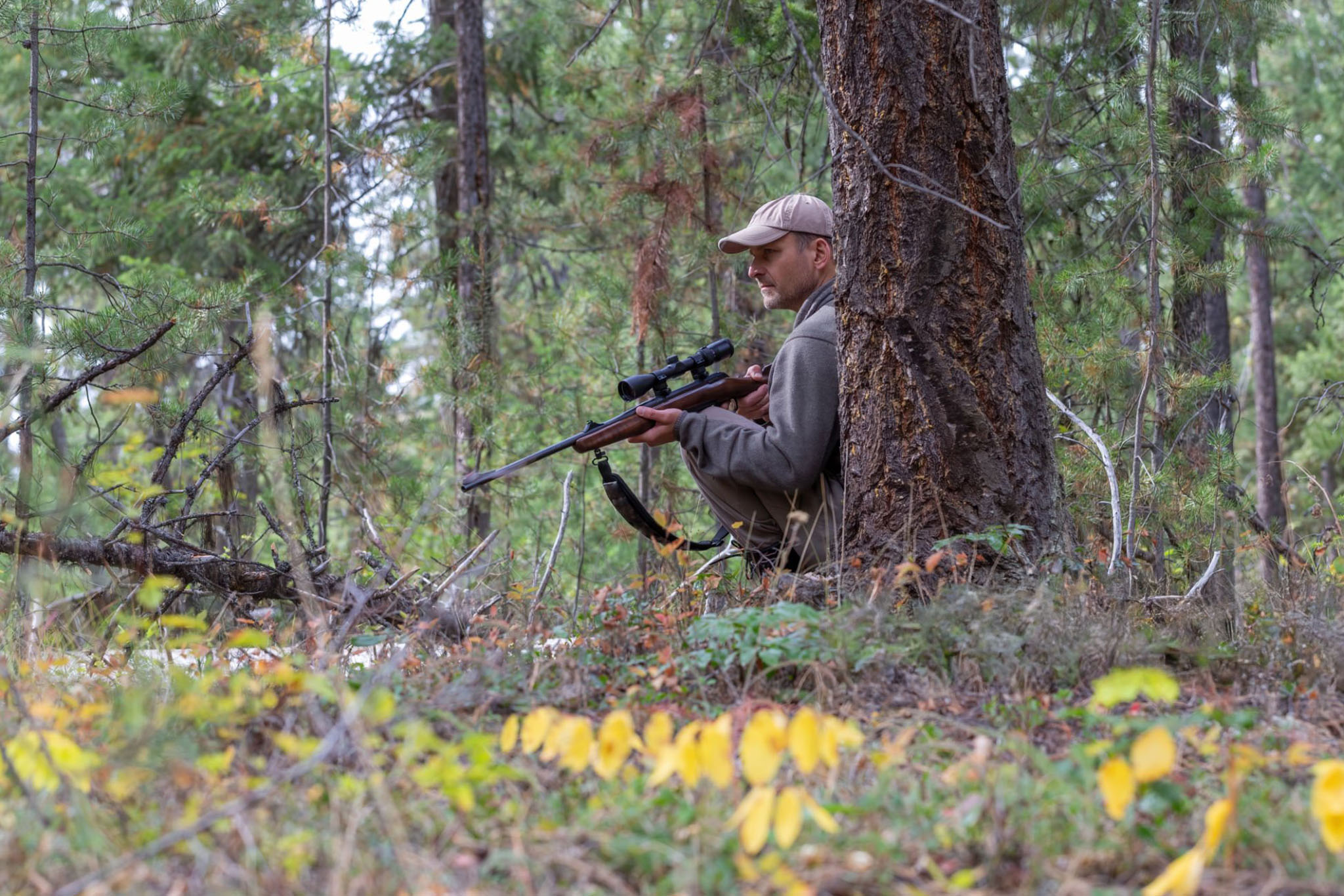
When late fall settles in and the air turns crisp, deer behavior changes—and so does the way scent moves through the woods. While most hunters focus on moon phases or rut timing, few truly understand the invisible currents that dictate success or failure in the stand: thermals. Learning to read and use cold-air thermals to your advantage can transform your hunts, especially in the timbered ridges and valleys where big bucks love to hide.
Understanding Thermals in the Deer Woods
Thermals are the vertical air movements caused by temperature differences. As the sun heats the ground during the day, warm air rises; when the temperature drops in the evening, cooler, denser air sinks. These shifting currents play a crucial role in how your scent travels—and deer, with their razor-sharp noses, detect even the faintest hint of human odor.
In the morning, as the sun warms the ground, air begins to rise uphill, carrying scent upward. In the evening, when temperatures cool, air begins to sink downhill, pulling scent toward the bottoms. Midday is the most unpredictable time, when changing light and shade make thermals swirl and drift.
Understanding this natural rhythm allows you to position yourself so that your scent works for you—not against you.
Morning Hunts: Rise with the Thermals
In the early hours before sunrise, cold air pools in the lowlands, creating a downhill flow. Bucks returning from feeding areas often travel uphill toward bedding cover, taking advantage of those same downhill thermals to detect danger.
To stay undetected, set up higher on the ridge but not too close to the top. As the sun rises and warms the forest floor, thermals will begin to lift your scent upward—away from approaching deer. This timing gives you a short but valuable window when conditions align perfectly for an ambush.
Pro tip: choose stand locations with open east-facing slopes that warm up quickly, giving you a more predictable thermal rise and less swirling scent.
Evening Hunts: Follow the Fall
As the day cools and shadows stretch across the woods, thermals reverse. Warm air stops rising, and cold air begins to slide downhill like a slow, invisible river. This change can ruin a setup if you’re not prepared—especially in steep terrain.
If you’re hunting food sources below bedding areas, this is when you want to move lower on the slope or position yourself along a thermal corridor—where the falling air meets deer travel routes. Cold thermals naturally carry your scent down and away, keeping your presence hidden from sharp-nosed bucks heading to feed.
Avoid hunting the tops of ridges during the evening. Once the thermals shift, your scent will tumble right down into the valleys where deer are moving.
Midday Variables: When Wind Meets Thermal
Between 10 a.m. and 2 p.m., thermals are at their most unpredictable. Sunlight angles, wind gusts, and cloud cover can make air currents swirl and shift in multiple directions. During this time, rely more on consistent wind direction than thermal flow.
However, savvy hunters can use midday thermals for still-hunting or tracking. As rising air currents carry scent upward, moving slowly along contour lines helps minimize your odor trail. Deer often reposition or get up to browse during this time, making it ideal for subtle, scent-smart movement through timber.
Reading the Terrain: Natural Thermal Funnels
Certain landscapes amplify thermal behavior.
- Ravines and gullies act like cold-air highways, funneling descending thermals each evening.
- South-facing slopes warm faster, creating early rising thermals.
- North-facing timber holds cool air longer, delaying thermal shifts.
By noting how the terrain interacts with the temperature, you can plan your approach routes and stand placements for minimal detection. Always test the air with powder puffs, milkweed seeds, or lightweight down fibers—they reveal real-time air movement better than any app.
The Rut Factor: Why Thermals Still Matter
Even during the chaos of the rut, when bucks seem to lose all sense of caution, thermals remain a deciding factor. Bucks cruising between bedding areas still use their noses, working downwind of doe trails and relying on air movement to locate scent.
Set up along thermal seams—where rising and falling air currents meet. These edges often serve as invisible scent highways, used instinctively by deer. During early morning and evening hunts, those locations can be pure gold.
Final Thoughts: Hunt with the Air, Not Against It
Mastering thermals takes time, observation, and a willingness to adapt. Every ridge, hollow, and cut reacts differently to temperature shifts, especially when the wind interacts with elevation. The best hunters don’t just rely on weather apps—they read the woods like a living system.
When you learn to move, set up, and scent-manage with thermals in mind, you stop fighting nature and start working with it.
In cold, still timber, it’s the invisible air that tells the story—and the hunter who listens is the one who tags the buck.
